Switch Meaning: Definition, Uses, Modern Context Explained 2026

Switch Meaning

The word switch is one of those versatile English terms that appears everywhere—from everyday conversations and technology to behavior, language, and decision-making. Understanding switch meaning is important because the word changes its sense depending on context, and misreading it can lead to confusion.

This article explains the meaning of switch, its different uses, real-life examples, common misunderstandings, and how the word is used in modern English today.


What Does Switch Mean? (Simple Definition)

In general usage, switch means:

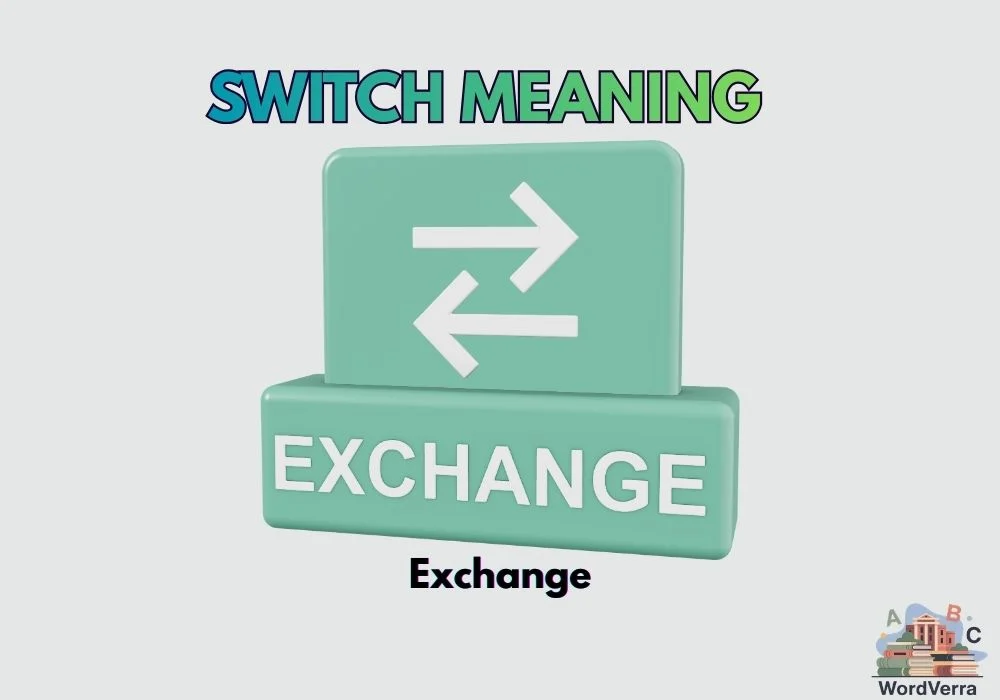
To change, replace, move from one thing to another, or control something by turning it on or off.

The word can function as:

  • A verb (to change or exchange)
  • A noun (a device, choice, or action)

Example:

“She decided to switch careers after five years.”


Origin of the Word Switch

The word switch comes from Middle English and originally referred to a thin flexible stick or branch. Over time, the meaning expanded to include:

  • The act of striking or changing direction
  • Mechanical controls
  • Abstract changes such as decisions, behavior, or roles

This evolution explains why switch works so well in both physical and metaphorical situations.


Switch Meaning in Everyday Life

In daily conversation, switch commonly refers to changing something intentionally.

Examples:

  • “I’m going to switch seats with you.”
  • “Can we switch the meeting time?”
  • “He switched his opinion after hearing the facts.”

In these cases, switch clearly signals a deliberate change.


Switch Meaning in Technology

One of the most common modern uses of switch appears in technology.

Examples include:

  • Light switches
  • Power switches
  • Network switches
  • App or software switches

Example sentence:

“Turn the switch off before unplugging the device.”

Here, switch refers to a control mechanism that starts, stops, or redirects power or signals.


Switch Meaning in Behavior and Communication

Switch is also widely used to describe changes in:

  • Attitude
  • Tone
  • Language
  • Personality

Examples:

  • “He suddenly switched his tone during the conversation.”
  • “She can switch between languages easily.”

This usage highlights mental or social flexibility.


Switch Meaning in Slang and Informal Speech

In informal contexts, switch can imply a sudden or noticeable change.

Examples:

  • “He switched up his style recently.”
  • “That moment made her switch completely.”

In casual speech, it often emphasizes speed or impact rather than the mechanics of change.


Common Misunderstandings About Switch

Mistake 1: Thinking Switch Always Means Technology

  • While common, switch is not limited to devices. It applies to ideas, roles, habits, and decisions.

Mistake 2: Confusing Switch With Stop

  • Switch means changing direction or choice, not necessarily ending something.

Mistake 3: Using Switch Without Context

  • Because the word is broad, clarity depends on context. Always specify what is being switched.

How to Use Switch Correctly in Sentences

  • Decision-based:

“He switched plans at the last minute.”

  • Technical:

“Flip the switch to start the engine.”

  • Behavioral:

“She switched her approach after the feedback.”

  • Informal:

“They switched things up to keep it interesting.”


Switch Meaning in Modern Context (2026)

In 2026, switch is widely used across:

  • Workplace communication
  • Digital platforms
  • Social media language
  • Technology and software design
  • Lifestyle and self-improvement content

Example:

“Many people switch careers multiple times in today’s economy.”

The word reflects adaptability, a key theme in modern life.


Switch Meaning in Simple Words (Quick Reminder)

Switch means to change from one thing to another or to control something by turning it on or off.


Conclusion

To summarize:

  • Switch means to change, exchange, or control
  • It can be used as both a noun and a verb
  • The meaning depends heavily on context
  • It appears in everyday speech, technology, behavior, and informal slang

Understanding switch meaning helps you interpret conversations accurately and use the word confidently in writing and speech.

Biography Meaning: Definition, Types & Importance 2026

Biography Meaning

The word biography is commonly encountered in literature, education, media, and online content. Understanding biography meaning helps readers, students, and writers describe someone’s life accurately and use the term correctly in writing or research.

This article explains the meaning of biography, its origin, types, examples, common mistakes, and its importance in modern context, updated for 2026.


What Does Biography Mean? (Simple Definition)

In simple terms, a biography is:

The written account of a person’s life, highlighting their experiences, achievements, and significant events.

Unlike an autobiography, which is written by the person themselves, a biography is written by someone else.

Example:

“The biography of Marie Curie details her groundbreaking work in science and her personal struggles.”


Origin of the Word Biography

The word biography comes from the Greek words:

  • “bios” meaning life
  • “graphein” meaning to write

So literally, biography means “writing about life.” The term has been used since the 16th century to describe the written records of notable people’s lives.


Types of Biography

There are several types of biographies depending on the scope and style:

  1. Traditional Biography
    • Focuses on the chronological life story of a person
    • Example: “Alexander Hamilton: The Biography”
  2. Autobiography
    • Written by the person themselves
    • Example: “The Diary of Anne Frank”
  3. Memoir
    • Focuses on specific experiences or periods rather than the entire life
    • Example: “Becoming” by Michelle Obama
  4. Collective Biography
    • Covers the lives of multiple people with common traits or achievements
    • Example: “The Innovators” by Walter Isaacson

Biography Meaning in Everyday Life

Biographies are not only for books; they appear in:

  • School assignments and educational material
  • Online articles and news websites
  • Social media profiles and professional websites
  • Documentaries and films

Example:

“The biography section of LinkedIn helps people learn about a professional’s career journey.”


Importance of Biography

Writing or reading biographies helps in:

  • Learning from others’ experiences
  • Understanding historical events
  • Getting inspiration from successful individuals
  • Preserving personal and cultural history

Example:

“Reading the biography of Elon Musk can inspire young entrepreneurs to innovate.”


Common Misunderstandings About Biography

Mistake 1: Confusing Biography With Autobiography

  • Biography = written by someone else
  • Autobiography = written by the subject themselves

Mistake 2: Assuming Biography Only Covers Famous People

  • Biographies can be written about anyone with a story worth sharing.

Mistake 3: Thinking It’s Only for Books

  • Modern biographies appear in videos, podcasts, blogs, and social media profiles.

How to Use Biography Correctly

  • Describing someone’s life:

“The biography of Leonardo da Vinci highlights his inventions and artworks.”

  • Educational context:

“Students are required to write a short biography of a historical figure.”

  • Online profile or introduction:

“Her professional biography includes over ten years of experience in digital marketing.”


Biography Meaning in Simple Words (Quick Reminder)

Biography means a story written about someone’s life, describing their experiences, achievements, and personal journey.


Conclusion

To summarize:

  • Biography is the written account of a person’s life
  • Can be traditional, autobiographical, memoir-based, or collective
  • Important for learning, inspiration, and preserving history
  • Understanding biography meaning helps in writing, research, and professional contexts

Qué Tal Meaning: Definition, Usage, and Examples 2026

Qué Tal Meaning

If you’ve ever seen someone greet another person with “qué tal” in Spanish, you might have wondered, “What does qué tal mean?” This phrase is one of the most common ways to start a conversation in Spanish-speaking countries, and understanding it can make communication smoother and more natural.

In this article, we’ll explain the qué tal meaning, its origin, how to use it in conversations, common mistakes, and examples, updated for 2026.


What Does Qué Tal Mean? (Simple Explanation)

Qué tal literally translates to:

“What such?”

However, in everyday Spanish, it is used as:

“How’s it going?” or “How are you?”

It’s an informal greeting used to ask about someone’s well-being, mood, or situation.

Example:

“¡Hola! ¿Qué tal?”
“¡Todo bien, gracias!”
(“Hi! How’s it going?”
“All good, thanks!”)


Origin of Qué Tal

Qué tal comes from two Spanish words:

  • Qué – meaning “what”
  • Tal – meaning “such” or “like that”

Historically, the phrase evolved into a casual greeting, widely adopted across Spanish-speaking countries, including Spain, Mexico, Argentina, and others.


Qué Tal Meaning in Everyday Conversation

In casual conversations, qué tal is often interchangeable with:

  • ¿Cómo estás? – How are you?
  • ¿Qué pasa? – What’s happening?

Examples:

  • “¡Qué tal, Ana! Hace tiempo que no te veía.”

(“How’s it going, Ana! Long time no see.”)

  • “¿Qué tal tu fin de semana?”

(“How was your weekend?”)

It’s friendly, informal, and versatile.


Qué Tal in Different Contexts

Social Context

Used among friends, colleagues, or people you know well.

“¡Qué tal, chicos! ¿Listos para la fiesta?”
(“Hey guys! Ready for the party?”)

Professional Context

Sometimes used in casual professional emails or messages, but usually paired with more formal language.

“Hola, Juan. Qué tal tu presentación ayer?”
(“Hi Juan. How was your presentation yesterday?”)


Common Misunderstandings About Qué Tal

Mistake 1: Using It in Very Formal Settings

  • Qué tal is informal. For formal greetings, use ¿Cómo está usted?

Mistake 2: Expecting a Detailed Answer

  • Most people respond briefly: “Bien, ¿y tú?” (“Good, and you?”)

Mistake 3: Confusing with Similar Phrases

  • Qué tal asks about general well-being or situation, not specific questions like “What happened?”

Synonyms and Similar Phrases

Other ways to greet informally in Spanish include:

  • ¿Cómo estás? – How are you?
  • ¿Qué pasa? – What’s up?
  • ¿Cómo va? – How’s it going?
  • ¿Qué onda? (used in Mexico) – What’s up?

Example:

“¡Qué tal! ¿Cómo va todo?”
(“Hey! How’s everything going?”)


Qué Tal Meaning in Modern Context (2026)

In 2026, qué tal remains widely used in:

  • Text messages
  • Social media posts
  • Casual conversations
  • Travel and cultural interactions

Example:

“Cuando viajé a España, todos me decían ‘¡Qué tal!’ en lugar de ‘Hola’.”
(“When I traveled to Spain, everyone said ‘Qué tal!’ instead of ‘Hi’.”)

It’s a staple for anyone learning Spanish and wanting to speak naturally.


Qué Tal Meaning in Simple Words (Quick Reminder)

Qué tal is a casual Spanish greeting meaning “How’s it going?” or “How are you?”


Conclusion

To summarize:

  • Qué tal is an informal Spanish greeting
  • It literally means “what such,” but is used like “how’s it going?”
  • Common in social and casual professional settings
  • Using it correctly helps you sound natural in Spanish conversations

Dismembered Meaning: Definition & Context Explained 2026

Dismembered Meaning

The term dismembered is often encountered in literature, crime reports, horror media, and historical accounts. Understanding dismembered meaning helps readers interpret texts accurately and use the word in proper contexts.

This article explains the meaning of dismembered, its origin, common uses, examples, and modern relevance, fully updated for 2026.


What Does Dismembered Mean? (Simple Definition)

In simple terms, dismembered means:

Divided into parts, especially by cutting off limbs or separating pieces.

It can be used literally (referring to bodies) or figuratively (referring to organizations or objects).

Example:

“The criminal was caught after dismembering the stolen property into smaller pieces.”


Origin of the Word Dismembered

The word dismembered comes from the combination of:

  • “Dis-” meaning apart or away
  • “Member” meaning a limb or part of a body

It has been used in English since the 14th century to describe both physical and metaphorical separation.


Dismembered Meaning in Literal Context

In literal terms, dismembered refers to body parts being cut off.

Examples:

  • Crime andforensic reports:

“The body was found dismembered in several locations.”

  • Historical or battle accounts:

“The soldier was dismembered in the battlefield clash.”

The literal use is usually serious, grim, or graphic, and is common in legal, historical, and medical contexts.


Dismembered Meaning in Figurative Context

Dismembered can also describe dividing something non-physical, such as organizations, projects, or systems.

Examples:

  • “The company was dismembered into smaller subsidiaries.”
  • “The old law was dismembered and replaced by new regulations.”

In this sense, the word implies breaking apart or fragmenting rather than physical harm.


Common Misunderstandings About Dismembered

Mistake 1: Thinking It Only Refers to Bodies

  • While literal use is common, dismembered also applies to organizations, documents, or objects.

Mistake 2: Confusing With “Destroyed”

  • Dismembered means separated into parts, not necessarily completely destroyed.

Mistake 3: Using It Casually Without Context

  • Due to its graphic connotation, the word should be used carefully in sensitive contexts.

Synonyms of Dismembered

Depending on context, synonyms include:

  • Separated
  • Divided
  • Fragmented
  • Dissected
  • Broken apart

Example:

“The project was dismembered into smaller tasks for easier management.”


How to Use Dismembered Correctly in Sentences

  • Literal context (crime or horror):

“The horror film depicted a dismembered creature in a chilling scene.”

  • Figurative context (organizations or systems):

“The administration dismembered the old policy into multiple new regulations.”

  • Historical or literary context:

“The ancient manuscript was dismembered over centuries and scattered across libraries.”


Dismembered Meaning in Modern Context (2026)

In 2026, dismembered is used in:

  • Crime reporting and forensics
  • Literature and movies (especially thriller or horror genres)
  • Corporate or organizational analysis
  • Historical research

Example:

“The report detailed how the network of organizations was dismembered after the merger.”

The word remains relevant because it clearly conveys separation, division, or fragmentation.


Dismembered Meaning in Simple Words (Quick Reminder)

Dismembered means divided into parts, either physically (limbs or objects) or metaphorically (organizations or systems).


Conclusion

To summarize:

  • Dismembered can describe physical separation (bodies or objects) or metaphorical fragmentation (organizations or policies)
  • Synonyms include separated, divided, and fragmented
  • Understanding dismembered meaning helps readers interpret texts and communicate clearly
  • Use the word carefully due to its graphic and serious connotations

Soak Meaning Slang: Definition, Usage, and Examples 2026

Soak Meaning Slang

In the fast-evolving world of internet slang, soak has taken on meanings beyond its traditional dictionary definition. If you’ve seen someone say “I’m gonna soak” online or in texts and wondered what it means, you’re in the right place. Understanding soak meaning slang helps you stay current with digital conversations and social media culture.

This article explains the slang meaning of soak, its origin, how it’s used in modern communication, and practical examples for 2026.


What Does Soak Mean in Slang?

Traditionally, soak means “to immerse in liquid.” In slang, however, it can have different meanings depending on context:

  1. To enjoy fully or indulge in something
    • Example: “I’m just gonna soak in this weekend vibe.”
    • Here, soak means to fully experience or savor a moment or feeling.
  2. To get completely drenched or overwhelmed (often humorously)
    • Example: “Got caught in the rain, totally soaked!”
    • While literal, this usage often appears exaggerated online.
  3. In some niche communities, especially older slang (Australia/UK), “soak” can also mean to drink alcohol excessively
    • Example: “We went out to soak last night.”

In 2025, the first usage (immersing in an experience) is increasingly popular on social media for expressing enjoyment or full engagement.


Origin of Soak as Slang

The slang meaning of soak evolved naturally from the literal meaning of immersing in liquid to metaphorical immersion in experiences or activities.

  • Originally from Old English socian, meaning to “immerse”
  • Over time, online culture and youth slang adapted it for full engagement in fun, events, or feelings

How to Use Soak in Modern Slang

Here are practical examples for 2026 contexts:

  • Social media posts: “Soaking in the sunset at the beach 🌅”
    Meaning: Fully enjoying the moment
  • Texting friends: “Can’t wait to soak in the party tonight!”
    Meaning: Looking forward to immersing in the fun
  • Casual conversation: “Just gonna soak in this hot tub for an hour.”
    Meaning: Literally relaxing in water, but sometimes metaphorically enjoying the situation

Common Misunderstandings About Soak in Slang

Mistake 1: Thinking It Always Means Literal Water Immersion

  • While “soak” can still refer to being wet, in slang it’s often metaphorical.

Mistake 2: Confusing Soak With Lazy Behavior

  • Using “soak” doesn’t mean doing nothing—it implies actively enjoying or immersing in something.

Mistake 3: Misinterpreting Alcohol Contexts

  • In older slang, “soak” might mean drinking, but this usage is less common in 2025.

Synonyms of Soak in Slang

Depending on context, similar slang expressions include:

  • Immerse
  • Dive in
  • Bask
  • Enjoy fully
  • Indulge

Example:

“I’m going to soak in the music festival all day.”
(Alternative: “I’m going to bask in the festival all day.”)


Soak Meaning Slang in Modern Digital Culture (2026)

Today, soak is commonly used on platforms like:

  • TikTok
  • Instagram captions
  • Twitter threads
  • Lifestyle and travel blogs

It expresses full enjoyment, mindfulness, or indulgence in experiences—often with a positive or aspirational tone.

Example:

“Soaking in the city vibes during my weekend getaway ✨”


Soak Meaning Slang in Simple Words (Quick Reminder)

In slang, soak means to fully enjoy, indulge, or immerse yourself in an experience or moment.


Conclusion

To summarize:

  • Soak meaning slang extends from “immersing in liquid” to metaphorically enjoying experiences
  • It’s used in social media, texting, and casual conversation
  • Synonyms include bask, immerse, and indulge
  • Using soak correctly helps convey excitement, engagement, or relaxation

Sparrow Meaning: Definition, Symbolism, Usage Explained 2026

Sparrow Meaning

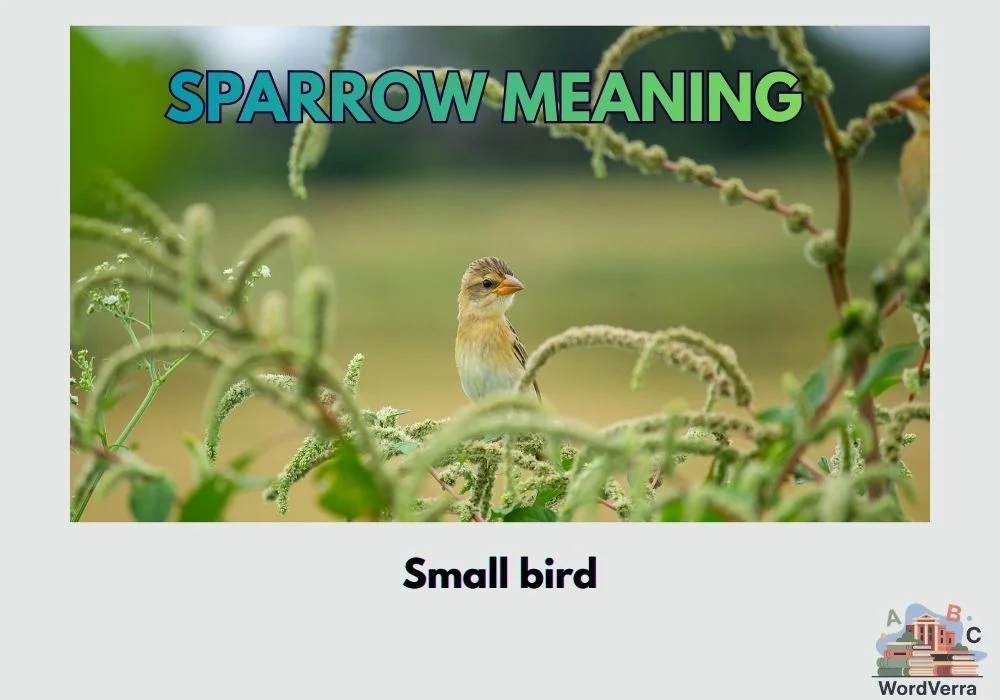
The sparrow is a small, common bird that has captured human attention for centuries. But what does sparrow mean in different contexts? Understanding this term goes beyond biology—it includes cultural symbolism, literary references, and even idiomatic expressions.

This article explores the sparrow meaning, its origin, cultural significance, examples in literature, and how the word is used in modern language in 2026.


What Does Sparrow Mean? (Simple Definition)

In a basic sense, a sparrow is:

A small, brown or gray bird belonging to the family Passeridae.

Sparrows are known for their lively chirping, social behavior, and adaptability to urban environments.

Example:

“A sparrow perched on the windowsill, chirping cheerfully in the morning sun.”


Origin of the Word Sparrow

The word sparrow comes from Old English spearwa, referring to this small bird.

  • It has been used in English literature since medieval times
  • The bird’s common presence in daily life made it a familiar reference for poetry, fables, and idioms

Sparrow Meaning in Symbolism and Culture

Across cultures, sparrows carry symbolic meanings:

  • Freedom and simplicity: Their small size and mobility represent the beauty of everyday life
  • Community and teamwork: Sparrows often move in flocks, symbolizing cooperation and social harmony
  • Resilience and adaptability: Their ability to thrive in cities and rural areas shows perseverance

Example:

“In literature, the sparrow often symbolizes the modest yet resilient aspects of human life.”


Sparrow in Literature and Idioms

Sparrows appear in various literary works and idiomatic expressions:

  • Idioms:
    • “A little bird told me” – often referencing sparrows or small birds in general
    • “Small as a sparrow” – indicating something tiny or delicate
  • Literature:
    • Poets and writers use sparrows to convey themes of simplicity, freedom, or unnoticed beauty
    • Example: “The sparrow in the garden reminded her of the fleeting joys of life.”

Sparrow Meaning in Modern Context (2025)

In modern times, sparrow is used in multiple contexts:

  • Nature and wildlife discussions: Birdwatching guides, environmental blogs, and documentaries
  • Metaphorical uses: Motivational content, storytelling, and social media references
  • Names and branding: Some companies or products use “Sparrow” for symbolism or brand identity

Example:

“The startup named their app Sparrow to represent agility and simplicity.”


Common Misunderstandings About Sparrow

Mistake 1: Confusing Sparrows With Other Small Birds

  • Sparrows have distinct markings and social habits that differentiate them from finches, wrens, or other small birds.

Mistake 2: Assuming Symbolism Is Universal

  • While many cultures see sparrows positively, symbolic interpretations can vary across regions.

Mistake 3: Thinking Sparrow Always Means Small

  • Although small in size, the symbolic meaning often emphasizes freedom, resilience, or social harmony rather than just size.

Synonyms and Related Words

  • Finch
  • Passerine
  • Bird
  • Songbird

Example:

“The sparrow, a type of passerine, is commonly found in urban and rural areas alike.”


How to Use Sparrow in Sentences

  • Literal: “A sparrow landed on the fence and started chirping.”
  • Metaphorical: “Her spirit was like a sparrow, small but resilient.”
  • Symbolic: “The sparrow symbolizes freedom and community in the poem.”

Sparrow Meaning in Simple Words (Quick Reminder)

A sparrow is a small bird known for its chirping, social behavior, and symbolic meanings of freedom, simplicity, and resilience.


Conclusion

To summarize:

  • Sparrow refers to a small, common bird
  • The bird holds symbolic meaning in literature and culture
  • Modern uses include metaphors, branding, and environmental discussions
  • Understanding sparrow meaning enhances appreciation of language, nature, and symbolism

Suffix Meaning Name: Definition, Types & Usage Explained 2026

Suffix Meaning Name

In English, suffixes play an essential role in forming words and adding meaning. Understanding suffix meaning name is important for students, writers, and anyone interested in language because suffixes help convey tense, number, profession, and other nuances.

This article explains the meaning of suffix in names, its types, origin, examples, and how it is used in modern English, updated for 2026.


What Does Suffix Mean in Names?

A suffix in a name is a word or abbreviation added to the end of a person’s name to indicate:

  • Family lineage
  • Academic or professional qualifications
  • Position or rank
  • Generational order

Examples of suffixes in names:

  • Jr. (Junior)
  • Sr. (Senior)
  • III (Third in family lineage)
  • PhD (Doctor of Philosophy)
  • MD (Medical Doctor)

Example sentence:

“John Smith Jr. is the son of John Smith Sr.”


Origin of Suffixes in Names

Suffixes have historical roots:

  • Jr. and Sr.: Used in English-speaking countries since the 15th–16th centuries to distinguish between father and son
  • Roman numerals (II, III, IV): Originated in Europe for lineage identification
  • Professional suffixes (PhD, MD, Esq.): Developed as educational degrees and titles became standardized

Suffixes help clarify identity and show respect for achievement or family heritage.


Types of Suffixes in Names

1. Generational Suffixes

  • Jr., Sr., II, III, IV
  • Indicate order of birth within a family
  • Example: “William Johnson III” means he is the third William Johnson in the family

2. Professional or Academic Suffixes

  • MD, PhD, Esq., CPA
  • Show expertise, occupation, or qualifications
  • Example: “Dr. Lisa Brown, PhD” highlights her educational achievement

3. Honorific or Legal Suffixes

  • Esq. (Esquire) – often used in law
  • QC (Queen’s Counsel) – used in some countries for senior lawyers
  • Example: “Thomas Grey, Esq.”

4. Cultural or Traditional Suffixes

  • Some cultures use suffixes like -ov, -ova, -son, -sen to indicate lineage
  • Example: “Ivanov” in Russian or “Andersen” in Scandinavian countries

How Suffixes Are Used in Modern Names

Suffixes continue to serve important functions in 2026:

  • Legal documents: To differentiate people with the same name
  • Professional credentials: To display qualifications in resumes or publications
  • Social and cultural identification: To reflect family traditions
  • Online presence: Some people include suffixes in email addresses or social media profiles

Example:

“Michael Johnson Jr. signed the contract, ensuring he is distinguished from Michael Johnson Sr.”


Common Misunderstandings About Suffixes

Mistake 1: Confusing Jr. and II

  • Jr. is used for a child named after a living parent
  • II is used for someone named after a relative who is not the father

Mistake 2: Using Suffixes Incorrectly in Formal Writing

  • Professional suffixes should always follow the full name and be separated by a comma
  • Example: Correct – “Jane Doe, MD” | Incorrect – “Jane, Doe MD”

Mistake 3: Omitting Suffix in Legal or Official Documents

  • Omitting a generational or professional suffix can create confusion in identity verification

Tips for Using Suffixes Properly

  1. Place the suffix after the full name: John Smith Jr., Jane Doe, PhD
  2. Use commas for professional titles: Michael Clark, CPA
  3. Do not mix generational and professional suffixes incorrectly: Correct – John Smith Jr., MD

Suffix Meaning Name in Simple Words (Quick Reminder)

A suffix in a name is an addition at the end of a person’s name that shows lineage, profession, rank, or cultural identity.


Conclusion

To summarize:

  • Suffixes in names indicate family, professional status, or cultural identity
  • They include Jr., Sr., II, PhD, MD, Esq. and more
  • Proper use of suffixes is essential in legal, professional, and social contexts
  • Understanding suffix meaning name helps avoid confusion and ensures respect for tradition and achievement

Ian Meaning: Origin, Significance, and Usage Explained 2026

Ian Meaning

The name Ian is widely recognized across the globe, often admired for its simplicity and elegance. If you’ve ever wondered about Ian meaning, origin, or cultural significance, you’ve come to the right place. Understanding this name can help you appreciate its history and popularity in modern contexts.

This article explores the meaning of Ian, its origin, variations, famous personalities with the name, and tips for using it thoughtfully in conversation or naming.


What Does Ian Mean? (Simple Definition)

In simple terms, Ian means:

“The Lord is gracious” or “God is gracious.”

It is a male given name and a Scottish variant of the name John. The meaning emphasizes kindness, blessing, and divine favor, making it a popular choice across cultures.

Example:

“Ian was chosen as a baby name because it signifies grace and blessing.”


Origin of the Name Ian

The name Ian originates from:

  • Scottish Gaelic: It is a Gaelic adaptation of the name John
  • Hebrew roots: John comes from “Yochanan,” meaning “God is gracious”
  • Usage spread across English-speaking countries during the 20th century

The name’s popularity grew due to its simplicity, easy pronunciation, and positive meaning.


Variations and Related Names

There are several variations and related names of Ian, including:

  • John (English)
  • Ivan (Slavic)
  • Sean / Seán (Irish)
  • Eoin (Irish Gaelic)

Example:

“Ian is the Scottish version, while Ivan is commonly used in Russia.”


Famous People Named Ian

Many notable individuals carry the name Ian, which contributes to its modern recognition:

  • Ian McKellen – Renowned British actor
  • Ian Fleming – Creator of James Bond
  • Ian Somerhalder – American actor known for The Vampire Diaries
  • Ian Curtis – Lead singer of the band Joy Division

These figures show the name’s wide cultural reach in arts, literature, and entertainment.


Ian Meaning in Modern Context (2026)

In 2026, the name Ian remains popular for:

  • Baby names due to its simplicity and positive meaning
  • Characters in books, movies, and video games
  • Public figures, maintaining global recognition

Example:

“Parents continue to choose Ian for its timeless elegance and meaningful origin.”


Common Misunderstandings About Ian

Mistake 1: Thinking Ian Is Short for Something

  • Ian is a standalone name, not a nickname for John, although related.

Mistake 2: Assuming Cultural Exclusivity

  • While Scottish in origin, Ian is used worldwide, including in the US, Canada, Australia, and Europe.

Mistake 3: Ignoring Pronunciation Variations

  • Ian is usually pronounced /ˈiːən/, but slight variations may exist depending on accents.

How to Use Ian in Naming or Conversation

  • Naming a child: Emphasize the positive meaning “God is gracious”
  • Referring to someone: Use respectfully, noting that it is a common male first name
  • Cultural references: Acknowledge its Scottish and global variants

Example:

“Ian is a perfect name for parents seeking a traditional yet modern choice.”


Ian Meaning in Simple Words (Quick Reminder)

Ian is a male name meaning “God is gracious,” originating from Scottish Gaelic and related to John.


Conclusion

To summarize:

  • Ian is a timeless and meaningful male name
  • It has Scottish origins with Hebrew roots
  • Related names include John, Ivan, Sean, and Eoin
  • Its popularity continues in modern times due to simplicity, elegance, and positive connotation

Succinct Meaning: Definition, Usage, and Examples 2026

Succinct Meaning

The word succinct is widely used in writing, communication, and professional contexts. Understanding succinct meaning helps you communicate clearly and concisely, a valuable skill in 2026 where time and attention are limited.

This article explores the meaning of succinct, its origin, examples of usage, common mistakes, and tips on using it effectively in modern language.


What Does Succinct Mean? (Simple Definition)

In simple terms, succinct means:

Expressed clearly and briefly, without unnecessary words.

It describes communication, writing, or speech that is concise, to the point, and easily understandable.

Example:

“Her presentation was succinct, covering all the key points in just ten minutes.”


Origin of the Word Succinct

The word succinct comes from the Latin “succinctus”, which means:

  • Girded up or tucked in, symbolizing something neatly contained
  • Derived from “sub” (under) + “cingere” (to gird or encircle)

In English, it has been used since the 15th century to describe concise writing or speech.


Succinct Meaning in Everyday Life

In daily contexts, succinct applies to:

  • Emails and text messages
  • Verbal instructions
  • Academic or business writing
  • Public speaking

Examples:

  • “Please give a succinct summary of the report.”
  • “Keep your answers succinct during the interview.”

The goal is to communicate effectively without extra fluff.


Synonyms of Succinct

Words with similar meaning include:

  • Concise
  • Brief
  • Clear
  • Terse
  • To the point

Example:

“Her succinct explanation helped everyone understand the topic quickly.”


Common Misunderstandings About Succinct

Mistake 1: Confusing Succinct With Rude or Abrupt

  • Succinct communication is concise, not impolite.
  • Example: “Succinct emails are professional, not cold.”

Mistake 2: Overusing Succinct in Casual Speech

  • It is best suited for formal, professional, or academic contexts, though casual use is acceptable when clarity matters.

Mistake 3: Believing Succinct Means Short Only

  • Succinct emphasizes clarity and relevance, not just word count. A short message can still be verbose if unclear.

How to Use Succinct in Sentences

  • Describing writing:

“The report was succinct and easy to read.”

  • Describing speech:

“She gave a succinct answer to the interviewer’s question.”

  • Offering advice:

“Keep your presentation succinct to maintain the audience’s attention.”


Succinct Meaning in Modern Context (2026)

In 2026, succinct is increasingly important in:

  • Professional emails and reports
  • Social media posts and captions
  • Online courses and webinars
  • News articles and summaries

Example:

“In today’s fast-paced world, succinct communication is valued more than ever.”

It highlights efficiency, clarity, and respect for the reader’s time.


Succinct Meaning in Simple Words (Quick Reminder)

Succinct means clear, brief, and to the point, without unnecessary words.


Conclusion

To summarize:

  • Succinct describes communication that is concise and clear
  • Synonyms include concise, brief, and to the point
  • Using succinct communication enhances professionalism, clarity, and efficiency
  • Understanding succinct meaning helps you communicate better in writing, speech, and digital content

Grey Divorce Meaning: Definition, Causes, and Insights 2026

Grey Divorce Meaning

The term grey divorce has become increasingly common in recent years, as more couples over 50 end long-term marriages. Understanding grey divorce meaning is important for recognizing the unique challenges and dynamics of later-life separations.

This article explores the meaning of grey divorce, its causes, emotional and financial implications, and tips for navigating it, fully updated for 2026.


What Does Grey Divorce Mean?

In simple terms, grey divorce refers to:

The divorce of couples typically aged 50 or older after long-term marriages.

It differs from younger divorces because it involves:

  • Established careers
  • Shared financial assets
  • Adult children or grown families
  • Retirement planning considerations

Example:

“After 30 years of marriage, they faced a grey divorce, adjusting to new financial and emotional realities.”


Origin of the Term Grey Divorce

The term grey divorce is relatively recent, coined by researchers and media outlets to describe the trend of later-life divorces. The word “grey” reflects:

  • Older age groups (often graying hair)
  • Life stages when couples are preparing for retirement

It is now widely used in sociology, psychology, and financial planning discussions.


Causes of Grey Divorce

Grey divorces often happen due to unique circumstances, including:

  • Empty nest syndrome: When children leave home, couples reassess their relationship
  • Different retirement goals: Conflicting visions for retirement lifestyle
  • Midlife crises: Desire for new experiences or personal growth
  • Long-standing marital issues: Accumulated unresolved conflicts

Example:

“They grew apart after the children moved out, which eventually led to a grey divorce.”


Financial Implications of Grey Divorce

Divorcing later in life can have significant financial consequences:

  • Division of retirement funds and pensions
  • Impact on Social Security benefits
  • Splitting long-term assets such as real estate
  • Planning for independent living on a smaller budget

Example:

“She had to rethink her retirement plan after her grey divorce, including splitting the family home.”

Financial planning and professional advice are crucial during a grey divorce to ensure stability and security.


Emotional and Social Aspects

Grey divorces also affect emotional well-being:

  • Loneliness or social isolation
  • Adjusting to single life after decades of marriage
  • Rebuilding social networks or dating later in life

Example:

“He joined a community group to cope with the loneliness following his grey divorce.”

Understanding these aspects helps individuals prepare emotionally and socially for the transition.


Common Misunderstandings About Grey Divorce

Mistake 1: Thinking It Only Happens Due to Infidelity

  • While infidelity can be a factor, most grey divorces stem from long-term incompatibility or life-stage changes.

Mistake 2: Assuming It’s Uncommon

  • Grey divorces are on the rise globally, reflecting changing societal norms and life expectancy.

Mistake 3: Ignoring Legal and Financial Complexities

  • Later-life divorces often involve more complex financial arrangements than younger divorces.

Tips for Navigating Grey Divorce

  1. Seek professional advice: Lawyers, financial planners, and therapists can help
  2. Plan for retirement: Consider independent financial security
  3. Take care of your emotional health: Join support groups or therapy
  4. Communicate respectfully: Especially if adult children are involved

Example:

“By consulting a financial planner, she successfully managed the division of assets during her grey divorce.”


Grey Divorce Meaning in Simple Words (Quick Reminder)

A grey divorce is when people over 50 end a long-term marriage, often with unique financial and emotional considerations.


Conclusion

To summarize:

  • Grey divorce refers to divorces of older couples, usually 50+
  • Common causes include empty nests, retirement planning differences, and long-term incompatibility
  • Financial planning and emotional support are key for managing the transition
  • Understanding grey divorce meaning helps families, professionals, and individuals navigate this life stage confidently