
Priapism Meaning: Causes, Symptoms, Treatment 2026

Priapism Meaning

If you’ve ever come across the term priapism in medical articles, health forums, or conversations, it can be confusing or alarming. The word sounds unusual, and because it relates to a sensitive topic, many people avoid asking what it really means. Understanding priapism meaning is important for health awareness and early intervention.

Knowing the meaning of priapism helps you:

  • Recognize when medical attention is needed
  • Understand medical reports or doctor consultations
  • Reduce fear caused by unfamiliar terminology

This article explains priapism in simple, clear language, discusses symptoms, causes, treatments, and everyday understanding for non-medical readers.

👉 Updated for 2026 with practical examples and medical clarity.


What Does Priapism Mean?

In simple terms, priapism is:

A prolonged and often painful erection of the penis that lasts for hours without sexual stimulation.

Key points about priapism:

  • Lasts more than 4 hours typically
  • Not triggered by sexual arousal
  • Can be painful or uncomfortable
  • Requires medical attention if prolonged

Example:

“The doctor explained that priapism can be serious if it lasts too long.”


Origin of the Word Priapism

The term priapism comes from Priapus, a Greek god associated with fertility and male genitalia. Historically, it described persistent or unnatural erections, which is why it carries its medical meaning today.


Priapism Causes

Priapism is a prolonged, often painful erection that lasts more than 4 hours without sexual stimulation.

Common Causes:

1. Blood Disorders

  • Sickle Cell Disease (most common in some patients)
  • Leukemia or other blood conditions

2. Medications

  • Erectile dysfunction drugs (e.g., sildenafil-type medicines)
  • Antidepressants
  • Blood thinners

3. Injury or Trauma

  • Injury to the pelvis or spinal cord
  • Can affect blood flow control

4. Substance Use

  • Alcohol 🍺
  • Drugs (like cocaine or marijuana)

5. Other Causes

  • Nerve damage
  • Certain infections
  • Sometimes no clear cause (idiopathic)

Priapism Causes

Priapism is a prolonged, often painful erection that lasts more than 4 hours without sexual stimulation.

Common Causes:

1. Blood Disorders

  • Sickle Cell Disease (most common in some patients)
  • Leukemia or other blood conditions

2. Medications

  • Erectile dysfunction drugs (e.g., sildenafil-type medicines)
  • Antidepressants
  • Blood thinners

3. Injury or Trauma

  • Injury to the pelvis or spinal cord
  • Can affect blood flow control

4. Substance Use

  • Alcohol 🍺
  • Drugs (like cocaine or marijuana)

5. Other Causes

  • Nerve damage
  • Certain infections
  • Sometimes no clear cause (idiopathic)

Priapism Treatment

👉 Priapism is a medical emergency—treatment should be done quickly to avoid damage.

1. Emergency Care

  • Doctors may drain blood from the penis
  • Injection of medicines to reduce erection

2. Treat Underlying Cause

  • Managing blood disorders
  • Adjusting medications

3. Surgery (Severe Cases)

  • If other treatments fail, surgery may be needed

4. Home Advice (Initial Step Only)

  • Apply ice packs ❄️
  • Light exercise (like walking)
    ⚠️ These are temporary—hospital care is still needed if it lasts >4 hours

Priapism Treatment

👉 Priapism is a medical emergency—treatment should be done quickly to avoid damage.

1. Emergency Care

  • Doctors may drain blood from the penis
  • Injection of medicines to reduce erection

2. Treat Underlying Cause

  • Managing blood disorders
  • Adjusting medications

3. Surgery (Severe Cases)

  • If other treatments fail, surgery may be needed

4. Home Advice (Initial Step Only)

  • Apply ice packs ❄️
  • Light exercise (like walking)
    ⚠️ These are temporary—hospital care is still needed if it lasts >4 hours

Types of Priapism

Medical experts categorize priapism into two main types:

1. Ischemic (Low-Flow) Priapism

  • Most common and urgent type
  • Blood gets trapped in the penis
  • Causes pain and risk of tissue damage
  • Requires immediate medical attention

2. Non-Ischemic (High-Flow) Priapism

  • Less common
  • Usually caused by trauma or injury
  • Not as painful
  • Can sometimes resolve without intervention

Symptoms of Priapism
Symptoms of Priapism

Typical signs include:

  • Erection lasting more than 4 hours
  • Pain or tenderness
  • Swelling
  • Dark or bluish color in ischemic cases
  • Difficulty urinating

Prompt recognition is key to prevent permanent tissue damage.


Common Causes of Priapism

Priapism can occur due to various medical or lifestyle factors:

  • Blood disorders (e.g., sickle cell anemia)
  • Medications (e.g., erectile dysfunction drugs, antidepressants)
  • Trauma to the genital area
  • Alcohol or drug use
  • Neurological conditions

Knowing the cause helps doctors choose the appropriate treatment.


Priapism Meaning in Medical Context

Priapism Meaning in Medical Context

Doctors use priapism to describe:

  • Prolonged, abnormal erection
  • A potential medical emergency in ischemic cases
  • A condition requiring evaluation of underlying causes

Example from a medical report:

“Patient presented with priapism lasting six hours; immediate intervention required.”


Treatment Options for Priapism

Treatment depends on the type and severity:

  • Ischemic priapism: Often requires drainage, medications, or surgery
  • Non-ischemic priapism: Sometimes monitored; minor interventions may suffice
  • Pain management and addressing underlying causes are essential

Early treatment is crucial to prevent permanent erectile dysfunction.


Priapism Meaning in Everyday Language

While priapism is a medical term, people may hear it in:

  • Health blogs or forums
  • Medical advice articles
  • Discussions about sexual health

Example:

“I read that priapism can be caused by medications, so it’s important to consult a doctor.”

It’s usually discussed seriously and formally due to the nature of the condition.


Common Misunderstandings About Priapism

Mistake 1: Thinking Priapism Is a Normal Erection

Normal erections are temporary and triggered by sexual arousal; priapism is prolonged and unprovoked.

Mistake 2: Assuming It Always Requires Surgery

Some cases, especially non-ischemic priapism, can resolve with minimal intervention.

Mistake 3: Ignoring the Condition

Delaying treatment, especially in ischemic priapism, can lead to permanent complications.


How Priapism Is Used in Sentences

Correct usage:

  • “He sought emergency care for priapism lasting over five hours.”
  • “Certain medications can increase the risk of priapism.”
  • “Doctors discussed priapism as a possible complication of sickle cell disease.”

Incorrect usage:

  • “I had priapism because I was excited.” ❌
    (This is misleading — priapism is not caused by normal sexual arousal.)

Why Understanding Priapism Meaning Matters

Understanding priapism meaning helps people:

  • Recognize a potential medical emergency
  • Communicate effectively with healthcare professionals
  • Reduce stigma and confusion around sexual health topics

Priapism Meaning in Simple Words (Quick Reminder)

Priapism is a prolonged, often painful erection not caused by sexual arousal.


Modern Context and Awareness (2026)

In 2026, awareness of priapism has increased due to:

  • Better sexual health education
  • Online medical resources
  • Early intervention campaigns for blood disorders and drug-related risks

This makes understanding the term more important for general health literacy.


Final Thoughts

Priapism is a medical condition that requires attention, especially if it is painful and prolonged. Knowing priapism meaning, recognizing symptoms, and seeking early treatment can prevent serious complications. Awareness and education help remove stigma and ensure timely medical care.

Adverse Meaning: Definition, Examples, Everyday Usage 2026

Adverse Meaning

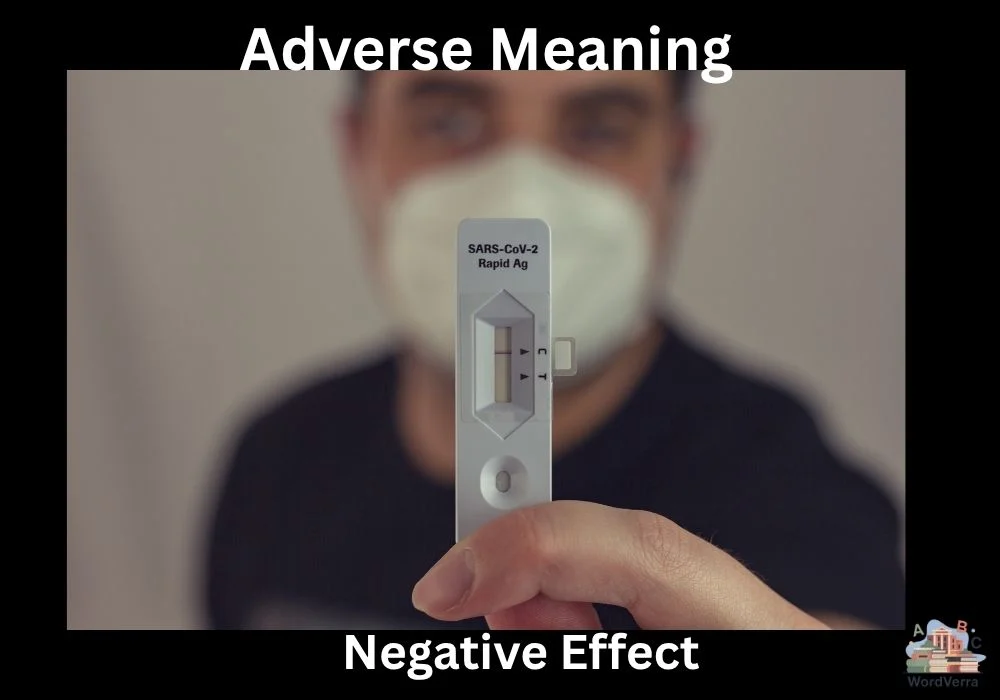
The word adverse is commonly used in news articles, academic texts, medical reports, and business contexts. If you’ve ever read a sentence like “The medication had adverse effects” or “Adverse weather conditions delayed the flight” and wondered what it truly means, this article is for you.

Understanding adverse meaning is essential because:

  • It helps you interpret news, reports, and professional writing accurately
  • It improves your comprehension in academic and workplace settings
  • It helps you use the word correctly in conversations and writing

This article explains adverse meaning in simple, clear language, provides examples from daily life, and explores its usage in 2026.


What Does Adverse Mean? (Simple Definition)

In simple terms, adverse means:

Unfavorable, harmful, or contrary to what is desired.

Key points about the word:

  • It describes negative effects, conditions, or outcomes
  • Often used in formal or professional contexts
  • Can refer to situations, effects, or reactions

Example sentences:

  • “The company faced adverse market conditions.”
  • “Smoking can have adverse effects on health.”

Origin of the Word Adverse

The word adverse comes from the Latin adversus, meaning turned against or opposed. Historically, it has been used to describe situations or forces that work against someone’s interests or well-being.


Adverse Meaning in Daily Life

Adverse is not just a word for textbooks—it is used in everyday scenarios, including:

  • Health: “The patient experienced adverse reactions to the new medicine.”
  • Weather: “Adverse weather delayed the soccer match.”
  • Finance: “Adverse market trends impacted the company’s profits.”

In all cases, adverse implies a negative impact or unfavorable outcome.


Adverse Meaning (Synonyms)

Here are common synonyms of “adverse”:

👉 Negative – harmful or bad
👉 Unfavorable – not beneficial
👉 Harmful – causing damage
👉 Detrimental – damaging in the long term
👉 Hostile – opposing or unfriendly

Example:

  • Adverse conditionsunfavorable conditions

Adverse Effect Meaning

Adverse Effect Meaning

👉 An adverse effect means:

a harmful or unwanted result caused by something

Common Use:

  • Medicine 💊 (side effects)
  • Environment 🌍
  • Actions or decisions

Examples:

  • This medicine may cause adverse effects.
  • Pollution has adverse effects on health.

👉 Simple Meaning:
Adverse effect = bad or harmful result


Adverse Meaning in Law

Adverse Meaning in Law

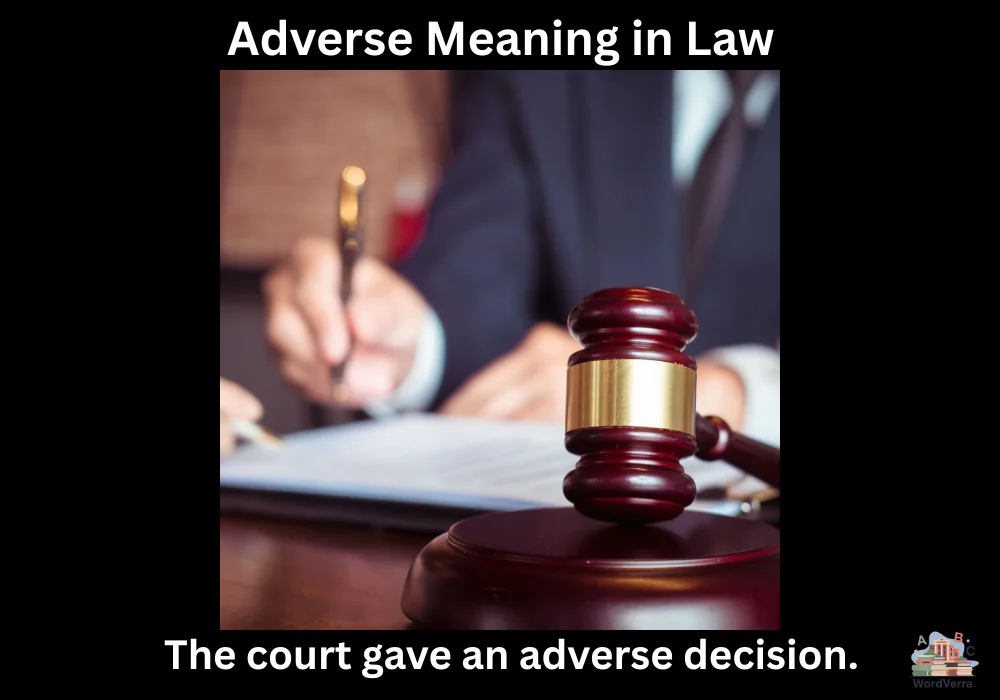
In legal terms, “adverse” means:

👉 going against someone’s interest or rights

Common Legal Uses:

  • Adverse possession → gaining property rights by occupying land over time
  • Adverse party → the opposing side in a case

Example:

  • The court gave an adverse decision.

Adverse Meaning in Medical Context

In medicine, adverse often appears as adverse effects or adverse reactions, meaning unwanted side effects of a treatment, drug, or procedure.

Examples:

  • “The vaccine had mild adverse effects, such as a sore arm.”
  • “Doctors monitor patients for any adverse reactions during treatment.”

Understanding this meaning is important for interpreting medical instructions and reports.


Adverse Meaning in Business and Economics

In business, adverse describes conditions or situations that hinder progress or growth.

Examples:

  • “The company reported losses due to adverse economic conditions.”
  • “Adverse market trends led to budget cuts.”

Here, adverse emphasizes challenges or negative impacts on operations or performance.


Adverse Meaning in Legal Context

In law, adverse is used to describe situations or parties that are opposing or harmful to someone’s interest.

Examples:

  • “The witness provided testimony against the adverse party.”
  • “Adverse possession refers to acquiring property against the owner’s interests under certain legal conditions.”

In legal texts, adverse often signals opposition or negative consequences.


Adverse Meaning in Everyday Conversation

People also use adverse in casual language to highlight unfavorable situations.

Examples:

  • “Traffic created an adverse start to my day.”
  • “His negative comments had an adverse effect on team morale.”

Even in casual use, adverse maintains a formal tone, implying seriousness.


Common Misunderstandings About Adverse

Mistake 1: Confusing Adverse with Averse

  • Adverse: Refers to negative effects or unfavorable conditions.
  • Averse: Refers to personal dislike or opposition.

Example:

  • Correct: “Adverse weather delayed the flight.”
  • Correct: “She is averse to taking risks.”

Mistake 2: Assuming Adverse Always Means Extreme Harm

Adverse can indicate minor or temporary negative effects, not always severe damage.


Adverse Meaning in Writing and Academic Texts

In formal writing, adverse helps describe challenges or negative impacts clearly and professionally.

Examples:

  • “Adverse economic conditions require careful planning.”
  • “Adverse results were observed in the experiment.”

It is commonly used in research papers, reports, and news articles.


How to Use Adverse Correctly in a Sentence

  • “Adverse weather conditions prevented the hike.”
  • “The medication may have adverse effects on the liver.”
  • “Adverse publicity affected the company’s reputation.”

Incorrect usage:

  • “He is adverse to the weather.” ❌ (Should use “averse”)

Why Understanding Adverse Meaning Matters in 2026

With growing emphasis on:

  • Health awareness
  • Financial literacy
  • Professional communication

Knowing adverse meaning helps you understand risks, challenges, and negative consequences in various contexts, making your reading and communication more precise.


Quick Recap: Adverse Meaning in 2026

  • Adverse = unfavorable or harmful
  • Commonly used in health, business, law, and daily life
  • Not the same as “averse”
  • Can describe minor or severe negative effects
  • Helps convey seriousness in formal contexts

Final Thoughts

Understanding adverse meaning empowers you to interpret news, reports, and conversations more accurately. Whether it’s health, finance, legal matters, or daily life, using adverse correctly improves clarity and professionalism in communication.

Turpitude Meaning: Definition, Usage & Modern Context 2026

Turpitude Meaning

The word turpitude is not commonly used in everyday conversation, but it appears frequently in literature, legal contexts, and formal writing. If you’ve come across a sentence like “His actions were acts of moral turpitude”, you might have wondered: “What exactly does turpitude mean?”

Understanding turpitude meaning is important because it helps you:

  • Interpret formal and legal texts accurately
  • Understand moral or ethical discussions
  • Improve your vocabulary for writing and comprehension

This article explains turpitude meaning in simple words, how it’s used in modern English, and provides examples for everyday understanding.

👉 Updated for 2026 with clear explanations, modern examples, and practical insights.


What Does Turpitude Mean? (Simple Definition)

In simple terms, turpitude means:

A very bad or immoral behavior, especially one that violates accepted moral standards.

It is often associated with:

  • Wickedness
  • Depravity
  • Moral corruption

The word is formal and strong, and it’s usually used in serious contexts.


Origin and Background of Turpitude

The term turpitude comes from Latin “turpitudo”, meaning “baseness” or “ugliness of character.”

Historically:

  • It has been used in moral, philosophical, and legal writings
  • It often describes behavior that society finds shocking or immoral

Its use continues today in literature, legal documents, and formal discourse.


Turpitude Meaning in Legal Context

Turpitude Meaning in Legal Context

In law, turpitude often appears in phrases like “crime involving moral turpitude”.

  • Refers to conduct considered inherently wrong or dishonest
  • Often used in immigration, ethics, or professional licensing cases

Example:

“The court considered the fraud a crime involving moral turpitude.”

Here, turpitude refers to serious ethical wrongdoing, not just minor misbehavior.


Turpitude Meaning in Everyday Language

While rare in casual conversation, turpitude can describe extreme immorality or wickedness.

Examples:

  • “The villain’s turpitude shocked everyone in the story.”
  • “Acts of greed and deception are examples of turpitude.”
  • “She condemned the turpitude of the corrupt officials.”

In these cases, turpitude conveys strong disapproval and moral judgment.


Turpitude Meaning in English

Turpitude Meaning in English

“Turpitude” means:

👉 moral corruption, wickedness, or shameful behavior

Simple Explanation:

  • Actions that are immoral, dishonest, or against accepted values
  • Often used in formal or legal contexts

👉 Simple Meaning:
Turpitude = very bad or immoral behavior


Turpitude Synonyms

👉 Depravity – extreme moral corruption
👉 Wickedness – evil behavior
👉 Corruption – dishonesty or lack of morals
👉 Immorality – behavior against moral rules
👉 Vice – bad habits or immoral acts


Turpitude Meaning and Examples

Meaning Recap:

👉 Behavior that is deeply wrong or morally unacceptable

Examples:

  • The crime showed moral turpitude.
  • He was fired for acts of dishonesty and turpitude.
  • Fraud is considered a crime involving turpitude.

Turpitude Meaning in Literature and Writing

Writers often use turpitude to:

  • Emphasize moral corruption
  • Describe evil characters or unethical acts
  • Add dramatic or formal tone

Example:

“The novel exposed the turpitude of the ruling class.”

Using the word in writing signals formal or serious discourse.


Common Misunderstandings About Turpitude

Mistake 1: Thinking It’s a Small Mistake

Turpitude refers to severe immorality, not minor errors or lapses in judgment.


Mistake 2: Confusing It With Crime Only

While often associated with crime, turpitude can describe any extremely immoral act, even outside legal definitions.


Mistake 3: Using It in Casual Conversation

Because the word is formal, casual phrases like “That’s turpitude!” may sound awkward or overly dramatic.


How to Use Turpitude in Sentences

Correct examples:

  • “The corrupt politician’s turpitude was exposed in the investigation.”
  • “Literature often explores human turpitude and redemption.”
  • “Crimes of turpitude may have serious legal consequences.”

Incorrect examples:

  • “I spilled coffee — what turpitude!” ❌
    (The word is too strong for trivial situations.)

Turpitude Meaning in Modern Context (2026)

In 2026, the word turpitude is still relevant in:

  • Legal discussions
  • Formal writing and journalism
  • Literature and storytelling

Although not common in casual conversation, it is highly effective in formal or moral contexts.


Turpitude Meaning in Simple Words (Quick Reminder)

Turpitude is extreme immorality or wickedness, often violating ethical or moral standards.


Real-Life Examples of Turpitude Usage

  • Legal: “The lawyer argued that the act was one of moral turpitude.”
  • Literature: “The character’s turpitude drove the plot.”
  • Ethics: “Business practices without transparency can be acts of turpitude.”

These examples show its flexibility in formal or serious contexts.


Quick Summary: Turpitude Meaning in 2026

  • Refers to severe immorality or depravity
  • Often used in legal, literary, and formal contexts
  • Not suitable for casual conversation
  • Conveys strong moral judgment

Final Thoughts

Understanding turpitude meaning helps you read legal documents, literature, and formal writing accurately. The word signals strong disapproval of unethical or immoral behavior, making it a valuable term for clear and precise communication. Using it correctly demonstrates vocabulary sophistication and awareness of moral and legal nuances.

Mint Condition Meaning: Definition, Usage Everyday 2026

Mint Condition Meaning

If you’ve ever shopped online, collected items, or heard someone talk about collectibles, you’ve probably encountered the term “mint condition.” While it sounds simple, many people are unsure what it truly means and how it’s used in everyday conversations or professional contexts.

Understanding mint condition meaning is important because it helps you:

  • Evaluate the quality of items accurately
  • Communicate clearly when buying, selling, or collecting
  • Understand common expressions in modern commerce and casual speech

This article explains mint condition meaning in plain language, provides examples, and shows how it’s used in 2026 across different contexts.


What Does Mint Condition Mean? (Simple Definition)

In basic terms, mint condition means:

An item is in perfect, flawless, or near-perfect condition, as if it were brand new.

It’s often used to describe collectibles, electronics, cars, or even clothing.

Key points:

  • Looks untouched or well-preserved
  • Shows no signs of damage or wear
  • Maintains original appearance and functionality

Origin of the Term “Mint Condition”

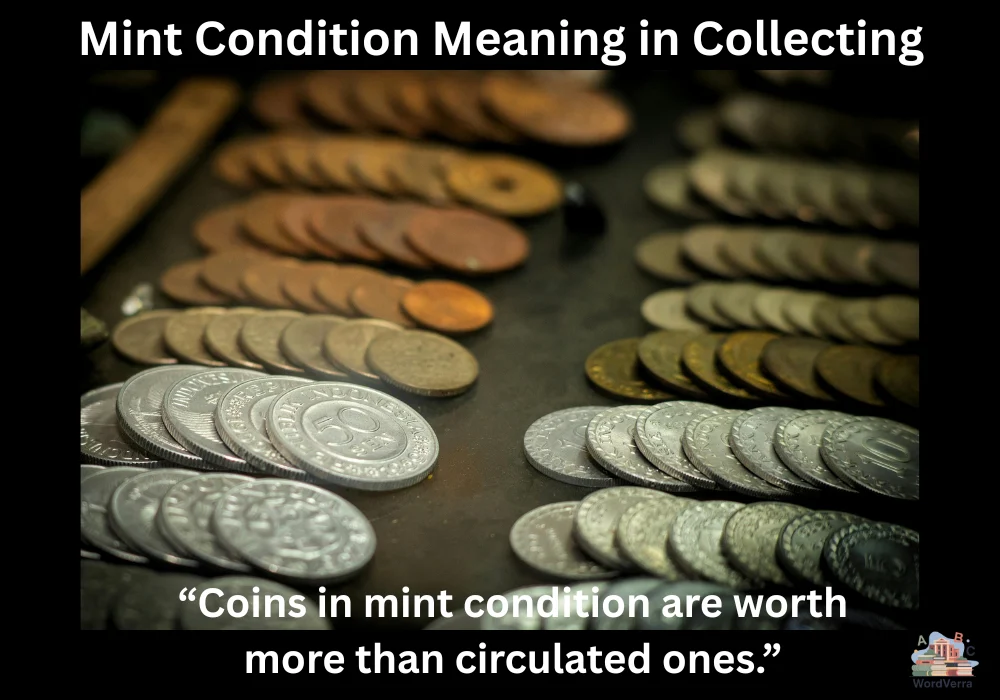
The phrase “mint condition” comes from coin collecting. A mint is a place where coins are produced. A coin in mint condition is one that looks exactly as it did when it left the mint, without scratches, tarnish, or damage.

Over time, the expression expanded to describe all kinds of items, not just coins. Today, it’s a common term in commerce, collectibles, and casual speech.


Mint Condition Meaning in Collecting

Mint Condition Meaning in Collecting

Collectors often use mint condition to indicate an item’s value.

Examples:

  • “This vintage comic book is in mint condition.”
  • “I’m selling my old action figure in mint condition.”
  • “Coins in mint condition are worth more than circulated ones.”

Here, mint condition signals maximum quality and preservation.


Mint Condition Meaning in Everyday Items

Beyond collectibles, the term applies to everyday objects:

  • Electronics: “The smartphone is in mint condition, barely used.”
  • Cars: “The classic car has been restored and is in mint condition.”
  • Clothing: “This designer jacket is in mint condition, like new.”

It’s a versatile way to describe items that are practically flawless.


Mint Condition Meaning (Car)

👉 “Mint condition” for a car means:

the car looks and works like new, with little or no damage

What It Includes:

  • No scratches or dents 🚗
  • Clean interior
  • Perfect working condition
  • Well maintained

Example:

  • This used car is in mint condition.

👉 Simple Meaning:
Mint condition (car) = almost like a brand-new car


Mint Condition Meaning in English

Mint Condition Meaning in English

In general English, “mint condition” means:

👉 something that is in perfect or near-perfect condition

Used For:

  • Cars
  • Phones
  • Clothes
  • Collectibles

Example:

  • The book is in mint condition.

👉 Simple Meaning:
Mint condition = like new, no damage


Mint Condition Meaning (Phone)

👉 For phones, “mint condition” means:

a phone that looks and works like new, with no visible defects

Features:

  • No scratches or cracks 📱
  • Battery works well
  • Fully functional
  • Very clean appearance

Mint Condition in Online Marketplaces

On platforms like eBay, Etsy, or Amazon, sellers often use mint condition to attract buyers. It reassures customers that:

  • The item is undamaged
  • It functions perfectly
  • It has been well taken care of

Example listing:

“Vintage vinyl record – mint condition, no scratches, original sleeve included.”


Mint Condition in Figurative Speech

Sometimes, people use mint condition metaphorically to describe anything in perfect state or form, even non-physical things.

Examples:

  • “Her presentation was in mint condition, flawless and well-prepared.”
  • “The garden is in mint condition after the weekend of care.”

Common Synonyms for Mint Condition

Other ways to convey the same meaning include:

  • Perfect condition
  • Flawless
  • Pristine
  • Like-new
  • Excellent shape

Example:

“The book is in pristine condition, almost mint.”


Common Misunderstandings About Mint Condition

Mistake 1: Thinking Mint Condition Means Brand New

While mint condition items look new, they may be used, but perfectly preserved.

Mistake 2: Using Mint Condition for Damaged Items

An item with scratches, dents, or wear cannot be described as mint condition.

Mistake 3: Confusing Mint Condition With Expensive

An item in mint condition may not always be valuable; value also depends on rarity, demand, and brand.


How to Use Mint Condition in a Sentence

Correct examples:

  • “The collectible card is in mint condition.”
  • “I found a vintage watch in mint condition at the market.”
  • “Her laptop is in mint condition even after two years of use.”

Incorrect usage:

  • “The scratched DVD is in mint condition.” ❌
    (Damage disqualifies it from being mint.)

Why Mint Condition Still Matters in 2026

In 2026, with growing online marketplaces, collectible communities, and resale platforms:

  • Accuracy in descriptions matters more than ever
  • Trust between buyers and sellers depends on proper terminology
  • Collectors and enthusiasts look for mint condition items as a benchmark of quality

Quick Summary: Mint Condition Meaning

  • Definition: Perfect, flawless, or like-new condition
  • Common use: Collectibles, electronics, cars, clothing
  • Synonyms: Pristine, flawless, like-new, excellent shape
  • Figurative use: Can describe anything in perfect state
  • Important tip: Always assess carefully; not every used item qualifies

Final Thoughts

Understanding mint condition meaning helps you communicate accurately, avoid misunderstandings, and make informed choices when buying, selling, or collecting items. Whether it’s a coin, a car, or even a metaphorical usage, mint condition signals perfection and preservation.

Theo Name Meaning: Origin, Popularity, Personality Traits 2026

Theo Name Meaning

Choosing a name is more than just picking something that sounds nice — it often carries history, meaning, and personality traits. One popular name that has gained global recognition is Theo. Whether you’re expecting a baby, researching your own name, or just curious, understanding Theo name meaning can provide fascinating insights.

This article explores Theo meaning, origin, popularity, personality traits, and notable people who carry the name. It’s written in a clear, human-friendly style and is fully updated for 2026.


What Does the Name Theo Mean?

Theo is primarily a male given name derived from the Greek word theos, meaning:

“God” or “divine.”

It is often used as a short form of longer names like:

  • Theodore (“Gift of God”)
  • Theophilus (“Friend of God”)
  • Theodoric (“Ruler of the People”)

Theo carries a sense of spirituality, power, and significance, making it both meaningful and timeless.


Origin and History of Theo

  • Greek Roots: As mentioned, Theo comes from theos, meaning “God.”
  • Medieval Usage: It appeared in various forms in Europe, often linked to religious names.
  • Modern Popularity: Today, Theo is widely used as a standalone name, particularly in English, French, and German-speaking countries.

The name has a classic yet modern feel, making it versatile and appealing for parents in 2026.


Theo Name Meaning in Different Cultures

Theo Name Meaning in Different Cultures
  • English: Often short for Theodore; modern usage stands alone
  • French: Popular as a simple, stylish name
  • German: Linked to traditional names like Theodor or Theodoric
  • Biblical Influence: Theo-related names carry spiritual significance

Across cultures, the meaning generally ties back to divinity, gifts from God, or noble traits.


Theo Name Meaning in Bible

The name Theo is connected to the Greek word “Theos”, which means:

👉 God

Biblical Connection:

  • Often used as a short form of names like:
    • Theodore“Gift of God”
    • Theophilus“Friend/Lover of God” (mentioned in the Bible)

👉 So, in a biblical sense, Theo is associated with:

  • God
  • Divine connection
  • Spiritual meaning

👉 Simple Meaning:
Theo (Bible) = related to God or gift from God


Theo Name Meaning in English

In English, Theo is a short and modern name derived from longer names like Theodore.

👉 It means:

  • God
  • Or “gift of God” (depending on full name origin)

Usage:

  • Common as a boy’s name
  • Popular in many countries

Personality Traits Associated with Theo

Personality Traits Associated with Theo

People named Theo are often perceived as having certain positive qualities:

  • Intelligent and thoughtful
  • Charismatic and sociable
  • Loyal and trustworthy
  • Ambitious yet approachable

Example: A child named Theo might naturally attract friends because of a friendly and confident personality.


Famous People Named Theo

Many notable individuals named Theo illustrate the name’s versatility:

  • Theo James: British actor known for the Divergent series
  • Theo Walcott: English footballer with international recognition
  • Theo van Gogh: Dutch film director
  • Theo Epstein: American baseball executive

These examples show how Theo is used in entertainment, sports, and professional fields.


Popularity of Theo in 2026

  • Theo has steadily gained popularity in the last decade.
  • Particularly trendy in English-speaking countries and Europe.
  • Favored for its short, punchy, and modern sound while retaining historical significance.

In 2026, parents often choose Theo because it’s:

  • Easy to pronounce
  • Strong and meaningful
  • Timeless yet modern

Variations and Nicknames for Theo

  • Theodore – formal, classic version
  • Theodoric – noble and traditional
  • Theophilus – unique, historical form
  • Nicknames: Theo, Teddy, Ted

These variations allow flexibility depending on formality and preference.


Theo Name Meaning in Modern Contexts

Today, Theo is:

  • Used as a first name globally
  • Recognized in pop culture, sports, and literature
  • Favored for its spiritual and meaningful origin

It’s a name that works well across casual and formal settings.


Tips for Choosing Theo as a Name

  • Consider middle names that complement Theo, like Theo James, Theo Alexander, Theo Michael.
  • Think about cultural or family significance — it’s easy to pair with many surnames.
  • Embrace nicknames like Theo or Teddy for casual use.

Theo Name Meaning in One Line

Theo means “God” or “divine” and symbolizes intelligence, charisma, and loyalty.


Final Summary

To summarize:

  • Theo is derived from Greek theos meaning God
  • Commonly a short form of Theodore, Theophilus, or Theodoric
  • Represents qualities like intelligence, charm, and loyalty
  • Popular in modern times for its simplicity and historical roots

Understanding Theo name meaning can give parents and name enthusiasts insight into both history and personality traits, making it an enduring choice in 2026.

Cessation Meaning: Definition, Examples & Everyday Usage 2026

Cessation Meaning

The word cessation is commonly used in formal writing, news reports, medical contexts, and even casual conversation. However, many people encounter it and wonder, “What does cessation mean exactly?”

Understanding cessation meaning is important because it helps you:

  • Comprehend formal and academic texts
  • Communicate clearly in professional or casual settings
  • Recognize situations where something has stopped or ended

This article explains cessation meaning in simple, clear language, its uses, examples, and relevance in modern communication.

👉 Updated for 2026 with real-world examples for easy understanding.


What Does Cessation Mean? (Simple Definition)

In basic terms, cessation means:

The process of stopping or ending something.

It refers to a pause, halt, or complete stop in an activity, condition, or process.

Examples:

  • “The cessation of hostilities brought peace to the region.”
  • “Smoking cessation programs help people quit tobacco.”
  • “There was a cessation of rainfall for several days.”

Origin of the Word Cessation

The word cessation comes from the Latin word cessatio, which means “a stopping” or “ceasing.” Over time, it entered English as a formal term to describe the act of ending or stopping something.


Cessation Meaning in Everyday Language

Cessation Meaning in Everyday Language

In daily conversation, cessation is used to indicate:

  • Something has stopped happening
  • An activity or process is temporarily or permanently halted

Examples:

  • “The cessation of the noise was a relief.”
  • “Work on the project came to a cessation due to funding issues.”
  • “There was a brief cessation in the conversation when the topic became serious.”

Cessation in Medical and Health Contexts

In healthcare, cessation is often used to refer to stopping certain habits or conditions.

Examples:

  • Smoking cessation – quitting smoking
  • Cessation of symptoms – symptoms have stopped
  • Cessation of treatment – stopping a therapy or medication

Medical professionals use the term to describe positive changes or controlled endings in patient care.


Cessation Synonyms

Here are common synonyms of “cessation”:

👉 Stop – to end something
👉 End – finishing of an activity
👉 Termination – official ending
👉 Discontinuation – stopping something ongoing
👉 Halt – sudden stop
👉 Conclusion – final stage or ending

Example:

  • The cessation of noise helped everyone relax.

Cessation Meaning in Medical Term

In medicine, “cessation” means:

👉 the stopping or ending of a bodily function, habit, or process

Common Uses:

  • Smoking cessation → stopping smoking 🚭
  • Cessation of breathing → stopping breathing (serious condition)
  • Cessation of symptoms → when symptoms disappear

👉 Simple Meaning:
Cessation (medical) = stopping of a function or condition


Cessation Meaning in Law

Cessation Meaning in Law

In legal terms, “cessation” refers to:

👉 the formal ending or discontinuation of a right, activity, or agreement

Examples:

  • Cessation of a contract
  • Cessation of employment
  • Cessation of rights or obligations

👉 It often implies an official or legal stop


Cessation in Legal and Formal Contexts

In legal or official documents, cessation can refer to:

  • Termination of contracts or agreements
  • Ending of disputes or hostilities
  • Halting of policies or operations

Examples:

  • “The cessation of hostilities was agreed upon by both parties.”
  • “The contract mentions the cessation of services after 12 months.”

In this sense, cessation implies official or formal stopping.


Common Phrases Using Cessation

  • Smoking cessation – quitting smoking
  • Cessation of hostilities – end of conflict
  • Cessation of production – stopping manufacturing
  • Temporary cessation – a short-term pause

These phrases are widely used in news, academic writing, and professional communication.


Cessation Meaning in Different Contexts

ContextExampleExplanation
Everyday“Cessation of traffic made the streets quiet.”Stopping of activity
Medical“Smoking cessation programs are effective.”Quitting a habit
Legal/Formal“Cessation of hostilities signed in the treaty.”Official end of conflict
Environmental“Cessation of rainfall caused drought.”Stop in a natural process

Common Misunderstandings About Cessation

Mistake 1: Thinking Cessation Means Permanent Only

Cessation can be temporary or permanent. For example, a “temporary cessation of work” means the stoppage is short-term.


Mistake 2: Confusing Cessation with Absence

Absence refers to nonexistence, while cessation is about stopping an activity that was happening.


Mistake 3: Using It Informally in Casual Speech

Cessation is formal; in casual conversations, people may prefer “stopping,” “ending,” or “pause.”


How to Use Cessation Correctly in a Sentence

Correct examples:

  • “The cessation of hostilities brought peace to the region.”
  • “She achieved smoking cessation after months of effort.”
  • “There was a cessation of traffic during the parade.”

Incorrect example:

  • “I will cessation my homework.” ❌
    (Here, “stop” or “pause” is correct instead.)

Why Cessation Is Still Relevant in 2026

Even today, cessation is widely used in:

  • News reporting
  • Academic writing
  • Medical literature
  • Official statements

It remains an essential term for clarity and precision in formal communication.


Cessation Meaning in One Simple Line

Cessation means the act or process of stopping or bringing something to an end.


Real-Life Examples of Cessation Usage

  • Smoking cessation programs save lives.”
  • “The treaty marked the cessation of hostilities.”
  • “Temporary cessation of rain allowed farmers to harvest crops.”
  • “Cessation of traffic made the city streets peaceful.”

These examples show that cessation is versatile and widely applicable.


Final Summary

To summarize:

  • Cessation meaning refers to stopping or ending something
  • Can be temporary or permanent
  • Commonly used in everyday, medical, legal, and formal contexts
  • Understanding it helps with professional, academic, and everyday communication

Knowing the word cessation allows you to read, write, and speak more clearly, especially in formal or professional settings.

Shaman Meaning: Spiritual Role, History, and Modern Usage 2026

Shaman Meaning

The word shaman often appears in books, online articles, and conversations about spirituality, culture, and healing. Yet, many people are unsure what it truly means or why it matters. Understanding shaman meaning can help you appreciate cultural traditions, spiritual practices, and even modern wellness discussions.

This article explains shaman meaning in simple language, its historical background, modern usage, and real-life examples to make the term clear and relatable in 2026.


What Does Shaman Mean? (Simple Definition)

In simple terms, a shaman is:

A person who acts as an intermediary between the physical world and the spiritual or supernatural realm.

Shamans are often seen as healers, spiritual guides, or ritual leaders in their communities. Their main role is to restore balance, provide guidance, and connect people with spiritual forces.


Origin and History of the Word Shaman

Origin and History of the Word Shaman

The term shaman comes from the Evenki language of Siberia, originally referring to a spiritual practitioner who communicated with spirits. Over centuries, the word spread globally to describe similar figures in Indigenous cultures, tribal societies, and spiritual traditions.

Historically, shamans have been important in:

  • Healing physical and mental ailments
  • Conducting rituals for protection or prosperity
  • Guiding communities through spiritual teachings

Shaman Meaning in Cultural Context

Shaman Meaning in Cultural Context

Shamans appear in many cultures, including:

  • Native American tribes – performing healing ceremonies
  • Amazonian tribes – using plant-based medicines for spiritual journeys
  • Siberian and Mongolian societies – guiding rituals and divination
  • African traditional religions – connecting with ancestral spirits

In all cases, a shaman is seen as a bridge between the human and spiritual worlds.


Shaman Meaning in Modern Usage

Today, the term shaman is also used in broader contexts, including:

  • New Age and wellness communities
  • Spiritual coaching
  • Metaphorical language (someone with deep insight or guidance)

Examples:

  • “He sees himself as a modern shaman, guiding clients through meditation.”
  • “Shamanic practices are being incorporated into wellness retreats.”

In modern usage, the focus often shifts from tribal responsibilities to personal growth and healing practices.


Shaman Meaning (Simple Words)

A shaman is:

👉 a person who is believed to heal people and communicate with spirits or the spiritual world

Simple Explanation:

  • Works as a spiritual healer
  • Uses rituals, prayers, or traditional practices
  • Common in ancient and tribal cultures

👉 Simple Meaning:
Shaman = a spiritual healer or guide


Shaman Meaning in Chinese

In Chinese, shaman is:

👉 萨满 (sàmǎn)

Meaning:

  • A traditional spiritual healer or medium
  • Someone who connects with spirits, ancestors, or nature forces

👉 Used especially in historical and cultural contexts


Shaman Meaning in Thai

In Thai, shaman is:

👉 หมอผี (mǒo pǐi)

Meaning:

  • A spirit healer or witch doctor in traditional beliefs
  • Someone who performs rituals to heal or communicate with spirits

Roles and Functions of a Shaman

Shamans typically perform several roles:

  1. Healer: Using herbs, rituals, or energy work to restore balance.
  2. Diviner: Interpreting signs, dreams, or visions to provide guidance.
  3. Mediator: Communicating with spirits or ancestors.
  4. Teacher: Passing down spiritual knowledge and traditions.

Example:

“The village shaman performed a ritual to heal the sick child.”


Shaman Meaning in Everyday Conversation

In casual conversation, calling someone a shaman can imply:

  • Spiritual wisdom
  • Insightful guidance
  • A mystical or unconventional approach to problem-solving

Example:

  • “She’s like a shaman when it comes to understanding people’s emotions.”

Here, it’s often metaphorical, referring to someone wise or spiritually attuned.


Common Misunderstandings About Shamans

Mistake 1: Thinking Shamans Are Sorcerers

Shamans are spiritual guides and healers, not necessarily magicians or witches.

Mistake 2: Equating Shamanism With a Single Religion

Shamanism is a practice, not a religion, and varies widely across cultures.

Mistake 3: Using Shaman Lightly in Pop Culture

While movies or books may dramatize shamans, their real-world role is serious and respected.


Shaman Practices Around the World

Common shamanic practices include:

  • Journeying or meditation – to communicate with spirits
  • Rituals and ceremonies – for healing or blessings
  • Divination – using tools like bones, stones, or drums
  • Herbal medicine – natural remedies guided by spiritual knowledge

Example:

“The shaman led a ceremony to bless the harvest.”


Shaman Meaning in Modern Wellness and Spirituality

In 2026, shamans and shamanic practices are gaining popularity in:

  • Mindfulness retreats
  • Holistic healing workshops
  • Spiritual coaching programs

These modern interpretations often emphasize personal healing, meditation, and energy work, while respecting the cultural origins of traditional shamanism.


Quick Summary: Shaman Meaning

  • A shaman is a spiritual guide and healer
  • Acts as a bridge between humans and the spiritual realm
  • Practices vary by culture but often include rituals, healing, and guidance
  • Modern use extends to wellness and spiritual coaching
  • Metaphorically, it can describe someone with deep insight or intuition

Shaman Meaning in Simple One-Liner

A shaman is a spiritual practitioner who heals, guides, and connects people with the unseen world.


Final Thoughts

Understanding shaman meaning helps you appreciate both traditional and modern spiritual practices. Shamans have played a vital role in cultures worldwide, and today their teachings influence wellness, mindfulness, and personal growth.

Recognizing the seriousness, cultural roots, and spiritual depth of shamanism ensures respectful and accurate use of the term in conversation, writing, and online discussions.

Lithromantic Meaning: Romantic Orientation 2026

Lithromantic Meaning

In recent years, conversations about romantic orientations have become more common online and in social discussions. One term you may have encountered is lithromantic. For people exploring their feelings and identity, understanding lithromantic meaning can help them navigate relationships and self-expression.

Knowing what lithromantic means is important because it:

  • Clarifies your own romantic tendencies
  • Helps communicate personal boundaries in relationships
  • Promotes inclusivity and understanding in discussions about identity

This article explains lithromantic meaning, signs, experiences, and how it is discussed in modern communities in 2026.


What Does Lithromantic Mean? (Simple Definition)

A lithromantic is someone who experiences romantic attraction but does not desire reciprocation.

In other words:

  • They can feel romantic feelings for someone
  • They may enjoy having crushes or fantasies
  • They often do not want those feelings returned or acted upon

Lithromantic people may still value friendship or emotional connection without needing a romantic relationship.


Origin of the Term Lithromantic

The term lithromantic is part of the aromantic spectrum, which describes people with varied romantic attractions.

  • “Lith” comes from Greek roots meaning “stone” or “hard”
  • The term reflects the idea that romantic feelings exist without seeking reciprocity

It gained popularity through online communities discussing LGBTQ+ and aromantic identities.


Signs You Might Be Lithromantic

Some common traits or experiences include:

  • Feeling romantic attraction but wanting to keep it unrequited
  • Enjoying crushes without wanting a relationship
  • Avoiding romantic pursuit from others
  • Feeling anxious if romantic feelings are reciprocated

Example:

“I have a crush on someone, but I don’t want them to ask me out — that’s a lithromantic experience.”


Lithromantic Meaning in Relationships

Lithromantic Meaning in Relationships

In relationships, lithromantic individuals may:

  • Enjoy closeness and companionship
  • Prefer emotional or platonic intimacy
  • Set boundaries to avoid reciprocated romantic commitment

It’s important to understand that being lithromantic does not mean being incapable of love or connection — it’s simply about how romantic feelings are experienced.


Lithromantic Meaning in Love

Lithromantic is a romantic orientation where:

👉 A person feels romantic attraction, but does not want it to be returned or acted on

In simple words:

  • They may like someone romantically
  • But they feel uncomfortable if that love is reciprocated
  • The feelings may also fade if the other person shows interest

Key Idea:

👉 Attraction without wanting a relationship back

Example:

  • Someone develops a crush but loses interest when the other person likes them back

👉 Simple Meaning:
Lithromantic = feeling romantic attraction but not wanting a mutual relationship


Lithromantic Flag

The lithromantic flag represents this identity in the aromantic spectrum.

Design Meaning:

  • 🌈 Usually includes red, green, white, and black shades (varies by version)
  • Colors symbolize:
    • Romantic attraction
    • Loss or fading of attraction
    • Aromantic identity spectrum

Symbolism:

  • Represents people who experience romantic feelings differently from typical relationships
  • Part of the Aromantic spectrum

Lithromantic vs Aromantic: What’s the Difference?

  • Aromantic: Does not experience romantic attraction
  • Lithromantic: Experiences romantic attraction but may not want it reciprocated

This distinction is subtle but meaningful within the aromantic and LGBTQ+ communities.


Lithromantic Meaning in Everyday Conversation

Lithromantic Meaning in Everyday Conversation

In 2026, people may discuss being lithromantic online or in social

ontexts to:

  • Explain their romantic boundaries
  • Share experiences and identity
  • Find community with like-minded individuals

Examples:

  • “I’m lithromantic, so I enjoy crushes but not dating.”
  • “Being lithromantic means I don’t seek reciprocation.”

Common Misunderstandings About Lithromantic Meaning

Mistake 1: Thinking Lithromantic Means Disinterested in Love

Lithromantic people can enjoy emotional bonds, just not romantic reciprocation.


Mistake 2: Confusing Lithromantic With Anti-Romantic

Lithromantic individuals still experience romantic feelings, unlike anti-romantic or aromantic people.


Mistake 3: Assuming All Lithromantic People Are the Same

Everyone’s experience is unique. Some may enjoy occasional reciprocation, while others strictly avoid it.


How to Respect a Lithromantic Person

  1. Don’t pressure for a romantic relationship
  2. Listen to their boundaries
  3. Acknowledge their romantic feelings without expecting reciprocation
  4. Use inclusive language when discussing identity

Respect and understanding help lithromantic people feel validated and safe in relationships.


Lithromantic in Modern Pop Culture and Communities

Online communities, social media discussions, and LGBTQ+ resources often highlight lithromantic experiences. People share:

  • Personal stories
  • Relationship challenges
  • Educational posts about romantic diversity

This visibility fosters awareness and understanding for those outside the aromantic spectrum.


Lithromantic Meaning in Simple Words (Quick Reminder)

A lithromantic is someone who feels romantic attraction but does not desire that attraction to be returned.


Why Understanding Lithromantic Meaning Matters in 2026

In 2026, awareness about diverse romantic orientations continues to grow. Understanding lithromantic meaning:

  • Promotes empathy and inclusivity
  • Helps people communicate their boundaries
  • Reduces stigma around unconventional romantic experiences

This understanding benefits everyone — friends, partners, and communities alike.


Final Summary

To summarize:

  • Lithromantic people experience romantic attraction but often do not want it reciprocated
  • It is part of the aromantic spectrum
  • Being lithromantic does not mean being incapable of relationships or emotional connections
  • Awareness fosters respect and better communication

Understanding lithromantic meaning helps people embrace diversity in romantic feelings and build stronger, respectful connections.

Manor Meaning: Definition, History, Modern Usage 2026

Manor Meaning

The word manor is often used in literature, historical discussions, and real estate contexts. From old English castles to modern estates, understanding manor meaning can help you grasp both historical and contemporary references.

Knowing the meaning of manor is important because it allows you to:

  • Understand historical and literary texts accurately
  • Identify property types in real estate or architecture
  • Appreciate cultural and historical contexts

This article explains manor meaning, its origin, types, modern use, and provides practical examples to help you understand and use the term correctly in 2026.


What Does Manor Mean? (Simple Definition)

In simple terms, a manor is:

A large house or estate, often with lands, historically owned by a noble or lord.

Key points:

  • Typically associated with wealth and prestige
  • Includes surrounding lands or property
  • Historically tied to feudal systems

Example sentence:

“The lord of the manor welcomed visitors to his estate.”


Origin and History of the Word Manor

Origin and History of the Word Manor

The word manor comes from Old French ‘manoir’, meaning “dwelling” or “residence.” It was widely used in medieval England. Manors were part of the feudal system, where a lord controlled land and tenants worked it.

Historically, a manor included:

  • A large house or hall
  • Farmlands
  • Villages and cottages
  • Mills, churches, and other resources

Types of Manors

Medieval Manor

  • Central hall or mansion
  • Surrounded by farmland and tenant houses
  • Operated under feudal laws

Country Manor

  • Large residential estate in rural areas
  • Often used today for private homes, hotels, or event venues

Modern Manor

  • Can refer to luxurious homes or estates
  • Sometimes used in real estate marketing to denote elegance

Manor Meaning in History

In history, a manor was:

👉 a large estate or land owned by a lord in the medieval system

Key Features:

  • Part of the feudal system 🏰
  • Included:
    • The lord’s big house (manor house)
    • Farmland worked by peasants or serfs
  • The lord controlled the land and people living on it

Example:

  • Villagers worked on the manor and paid rent or services to the lord

👉 Simple Meaning:
Manor (history) = a lord’s land and estate in medieval times


Manor Meaning in English

Manor Meaning in English

In general English, “manor” means:

👉 a large country house with land around it

Usage:

  • Often refers to a luxurious or historic home
  • Common in countryside settings

Example:

  • They live in a beautiful manor outside the city.

Manor Meaning in Literature

In literature, manors are often symbolic:

  • Wealth and status
  • Power or influence
  • Historical or romantic settings

Examples:

  • “Pride and Prejudice” by Jane Austen features grand manors as central settings
  • Gothic novels often depict old, mysterious manors

Manor Meaning in Real Estate Today

In modern real estate, a manor can refer to:

  • Large luxurious homes
  • Estates with land or gardens
  • Properties emphasizing elegance and heritage

Example:

“The real estate listing described a six-bedroom manor with a private lake.”


Manor Meaning in Everyday Conversation

People sometimes use manor figuratively to describe:

  • A person’s residence in a grand style
  • Historical or elegant ambiance

Example:

“He lives in a manor with beautiful gardens.”


Common Misunderstandings About Manor

Mistake 1: Thinking All Manors Are Castles

While some manors resemble castles, not all are fortified. Manors are more about residence and estate than defense.


Mistake 2: Confusing Manor With Mansion

A mansion emphasizes luxury, while a manor also carries historical or land-associated significance.


Mistake 3: Assuming Manor Is Only Historical

Many modern homes are marketed as manors for prestige, even without feudal history.


How to Use Manor Correctly in a Sentence

Correct examples:

  • “The old manor had a beautiful stone façade.”
  • “They attended a wedding at a countryside manor.”
  • “The manor’s gardens were meticulously maintained.”

Incorrect example:

  • “I rented a small manor in the city center.” ❌
    (A manor typically refers to a large estate, not a small apartment or house.)

Why Understanding Manor Meaning Matters in 2026

In 2026, the word manor remains relevant for:

  • Real estate descriptions
  • Literature and media references
  • Historical and educational contexts

Knowing the meaning ensures clarity when reading texts, browsing listings, or discussing cultural history.


Manor Meaning in Simple Words (Quick Reminder)

A manor is a large house or estate, historically associated with lords, often including lands and surrounding property.


Final Summary

To summarize:

  • Manors are large houses or estates historically linked to nobility
  • They played a key role in medieval feudal systems
  • Today, manors may refer to luxurious estates or historical properties
  • Understanding manor meaning helps in literature, real estate, and cultural discussions

Reboot Meaning in Technology and Entertainment 2026

Reboot Meaning

The word reboot is widely used in technology, media, and even casual conversation. Whether you’ve heard someone say, “I need to reboot my computer” or “The franchise got a reboot,” understanding reboot meaning is essential for clear communication.

Knowing what reboot means helps you:

  • Follow tech instructions accurately
  • Understand media and entertainment discussions
  • Use the term appropriately in everyday conversation

This article breaks down reboot meaning, its origin, different uses, and examples updated for 2026.


What Does Reboot Mean? (Simple Definition)

In general, reboot means:

To restart or refresh something to restore its normal function.

The term can be applied to technology, media, or metaphorical situations.

  • Technology: Restarting a device
  • Entertainment: Restarting a movie, TV series, or game franchise
  • Figurative: Starting over in life or projects

Reboot Meaning in Technology

In tech contexts, reboot refers to turning a computer, phone, or other device off and on again.

Why Reboot Is Important

  • Resolves software glitches
  • Clears temporary files and memory
  • Updates system settings or applications

Example:

“My laptop froze, so I had to reboot it to fix the problem.”


Reboot Meaning in Computer

In computers, “reboot” means:

👉 to restart a computer or system

Why People Reboot:

  • Fix errors or freezing
  • Install updates
  • Refresh the system

Example:

  • Try rebooting your computer if it’s slow.

👉 Simple Meaning:
Reboot (computer) = turning a system off and on again


Reboot Meaning in TV Show

In television, a reboot means:

👉 creating a new version of an older TV show with a fresh story or style

Features:

  • Modern cast or updated characters
  • New storyline
  • Different interpretation of the original show

Example:

  • A classic show returns years later with a new version

👉 Simple Meaning:
Reboot (TV show) = restarting an old show in a new way


Reboot Meaning in Android

Reboot Meaning in Android

On Android devices, “reboot” means:

👉 restarting your phone or tablet

Why It’s Used:

  • Fix app issues 📱
  • Improve performance
  • Clear temporary glitches

Example:

  • Hold the power button and tap “Reboot” or “Restart”

👉 Simple Meaning:
Reboot (Android) = restart the phone system


Reboot Meaning in Film

Reboot Meaning in Film

In films, a reboot means:

👉 starting a movie series again with a new version

Features:

  • New actors 🎬
  • Different story direction
  • Updated visuals or style

Example:

  • A superhero movie series being remade from the beginning

Reboot Meaning in Media and Entertainment

In movies, TV, or games, a reboot is when a franchise or series is restarted from scratch.

  • It often ignores previous storylines
  • Introduces new characters or plots
  • Refreshes the brand for modern audiences

Example:

  • “The Spider-Man franchise got a reboot in 2012 with The Amazing Spider-Man.”

Reboots are different from remakes (which retell the same story) or sequels (which continue the story).


Reboot Meaning in Everyday Life

People also use reboot metaphorically to describe starting fresh in personal or professional life.

Examples:

  • “After a tough year, she decided to reboot her career.”
  • “I need a weekend getaway to reboot my mind.”

Here, reboot implies refreshing, resetting, and improving.


Origin of the Word Reboot

The term reboot combines “re-” (again) and “boot” (from “booting up” a computer).

  • Booting: Originally referred to starting a computer
  • Reboot: Means to start again
  • The figurative use in media and life came later, around the late 20th century

Common Misunderstandings About Reboot Meaning

Mistake 1: Thinking Reboot Only Applies to Technology

  • While common in tech, it is also widely used in entertainment and figuratively in daily life.

Mistake 2: Confusing Reboot With Reset

  • Reset: Often restores factory settings
  • Reboot: Simply restarts or refreshes, usually without erasing data

Mistake 3: Assuming Reboot Fixes All Problems

  • Reboot can solve many issues but not always permanent technical or personal problems.

How to Use Reboot in Sentences

Technology

  • “Reboot your phone if the app isn’t responding.”

Media

  • “The franchise reboot introduced a new storyline.”

Metaphorical

  • “I’m going to reboot my morning routine to be more productive.”

Reboot Meaning in Modern Context (2026)

In 2026, reboot continues to be relevant because:

  • Tech devices are used daily and often need restarting
  • Media franchises frequently undergo reboots to attract audiences
  • People use it metaphorically for productivity, lifestyle changes, and personal growth

Social media often features phrases like:

“Time to reboot your week!” or “Reboot your mindset.”


Reboot Meaning in Simple Words (Quick Reminder)

Reboot means to restart, refresh, or start over — in technology, media, or life.


Conclusion

To summarize:

  • Reboot can refer to restarting a device, refreshing a media franchise, or starting over in life.
  • The term originated from tech but is now widely used figuratively.
  • Understanding reboot meaning allows you to communicate clearly in tech, entertainment, and daily life.