
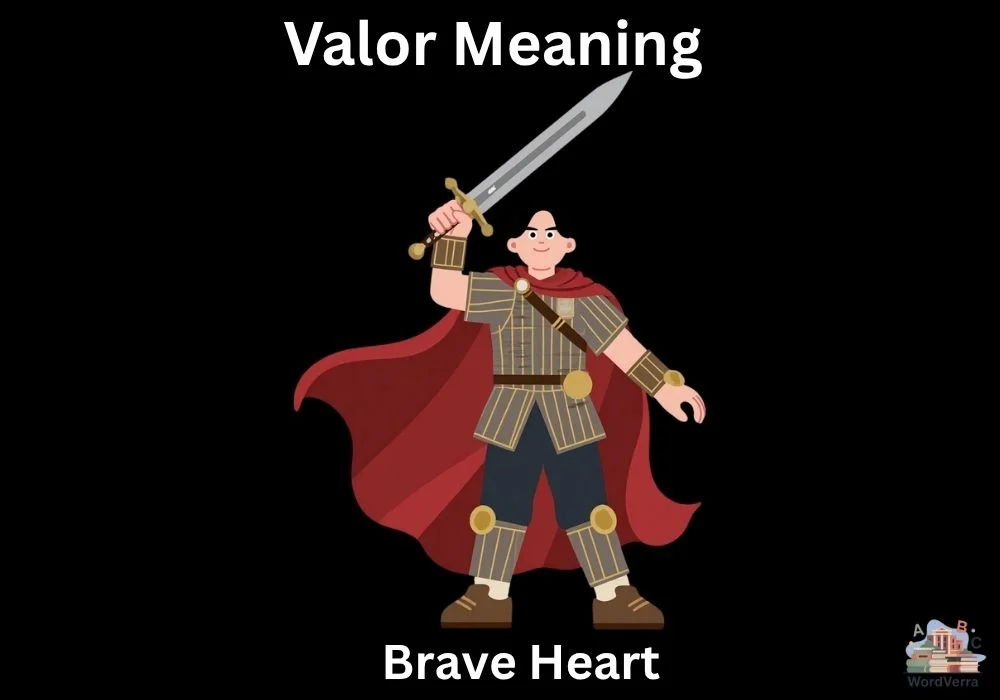
The word valor is a powerful term often used in literature, history, and everyday conversations to describe bravery, courage, and noble actions. Understanding valor meaning is essential for interpreting texts, recognizing acts of heroism, and using the term effectively in speech or writing.
This article will explore valor meaning, its origin, modern usage, real-life examples, and practical tips to use it correctly in 2026.
What Does Valor Mean?
In simple terms, valor means:
Great courage in the face of danger, especially in battle or difficult situations.
It often emphasizes bravery that is admirable or noble.
Example:
“The soldier received a medal for his valor during the mission.”
Here, valor conveys courage and honor beyond ordinary bravery.
Origin of the Word Valor
The word valor comes from the Latin term valorem, meaning worth or value. Over time, it evolved in English to specifically represent moral and physical courage. Historically, it was used to praise soldiers, knights, and heroes who demonstrated exceptional bravery.
Valor Meaning in Literature and History
In literature and historical texts, valor is often used to describe heroic deeds and admirable courage.
Example:
- “The knight’s valor was celebrated throughout the kingdom.”
- “Stories of valor inspired generations of warriors.”
Here, the word conveys honor, nobility, and courage under pressure.
Valor Meaning in Everyday Life
While commonly associated with battle or heroic acts, valor can also describe courage in everyday challenges.
Examples:
- “It took great valor to speak up against injustice.”
- “Her valor in facing personal challenges inspired everyone around her.”
This broader use makes the term applicable beyond historical or military contexts.
How to Use Valor in Sentences
Military Context
“The captain’s valor saved the lives of his entire unit.”
Everyday Context
“It takes valor to stand up for your beliefs in difficult situations.”
Literature or Storytelling
“The hero’s valor was unmatched, earning the admiration of all.”
Common Misunderstandings About Valor
Mistake 1: Confusing Valor with Bravery
- Bravery = general courage
- Valor = courageous action that is honorable or noble
Example:
“Jumping into a river to save a child is brave; doing so with selfless intent and risk is valor.”
Mistake 2: Thinking Valor Is Only Physical
- Valor can be moral or emotional, not just physical acts.
Example:
“She showed valor by advocating for equality despite criticism.”
Mistake 3: Using Valor Casually
- Valor conveys seriousness and admiration, so it should not describe minor acts.
Incorrect:
“He showed valor by finishing his homework.” ❌
Correct:
“He showed valor by defending a friend in danger.” ✔️
Valor in Modern 2026 Context
In 2026, valor remains relevant in:
- Military and government recognitions
- Literature, movies, and storytelling
- Everyday life discussions about courage and integrity
Example:
“Healthcare workers demonstrated incredible valor during the global health crisis.”
Modern usage emphasizes admirable courage in any challenging situation, not only battle.
Valor Meaning in Simple Words
Valor is courage that is admirable, honorable, and noble, often in the face of danger or difficulty.
Conclusion
To summarize:
- Valor means exceptional courage and bravery
- It can apply to physical, moral, or emotional challenges
- Understanding valor helps you interpret historical texts, literature, and modern discussions
- Using the word correctly adds respect and admiration to your descriptions
Knowing valor meaning allows you to recognize and appreciate acts of true courage in any context.

Ghumman is a dedicated author at Wordverra, focused on delivering clear, accurate, and high-quality English grammar content for students and learners. With a strong commitment to language clarity and practical learning, Ghumman creates well-researched explanations and examples that make complex grammar rules easy to understand. The goal is to help readers build a solid foundation in English and use the language confidently in academic and everyday settings.