An eye that suddenly starts twitching can be distracting, annoying, and even a little worrying. Many people search for twitching eye meaning because the sensation feels strange and often happens without warning. Some associate it with stress or fatigue, while others link it to cultural beliefs or superstitions.
This article explains the meaning of a twitching eye, what usually causes it, common myths, practical ways to manage it, and when it may signal something more—updated for 2026.
What Does a Twitching Eye Mean?
A twitching eye usually refers to an involuntary muscle spasm affecting the eyelid. Medically, this is often harmless and temporary.
In most cases, a twitching eye means:
- Your eye muscles are overstimulated
- Your body is reacting to fatigue or stress
- Your nervous system needs rest
Example:
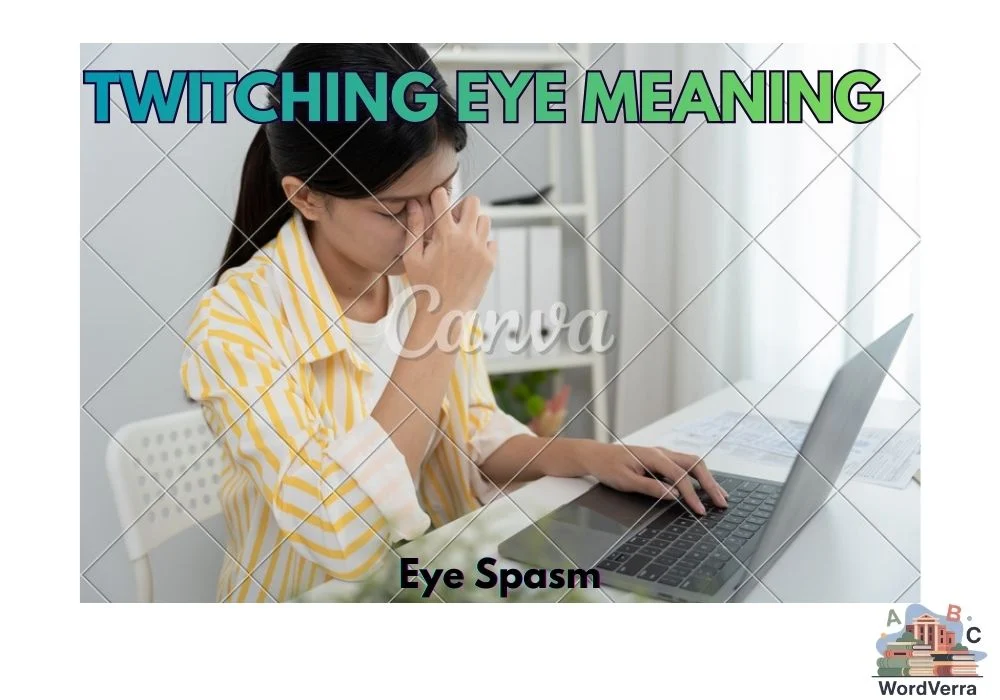
“After staring at a screen all day, her eye started twitching nonstop.”
Common Causes of Eye Twitching
A twitching eye rarely appears without a reason. The most common causes include:
- Stress and anxiety
- Lack of sleep
- Excessive caffeine intake
- Eye strain from screens
- Dehydration or mineral imbalance
Example:
“His twitching eye stopped after he reduced caffeine and got proper sleep.”
These triggers are usually linked to modern lifestyles and long screen exposure.
Twitching Eye Meaning in Daily Life
In everyday life, people often notice eye twitching during:
- Long working hours
- Late-night screen use
- Periods of emotional pressure
- Busy or exhausting routines
Example:
“During exam week, the twitching eye became more frequent.”
In such situations, the twitch is often your body’s way of asking for rest.
Cultural Beliefs About a Twitching Eye
Across different cultures, a twitching eye has symbolic meanings. Some believe it signals:
- Good or bad luck
- Unexpected news
- Someone thinking about you
While these beliefs are culturally interesting, they are not scientifically proven. Modern understanding focuses on physical and neurological factors rather than superstition.
Is a Twitching Eye a Medical Problem?
Most eye twitching is benign, meaning it is not dangerous. However, in rare cases, persistent twitching may be linked to:
- Nerve irritation
- Chronic stress disorders
- Neurological conditions
You should consider medical advice if:
- Twitching lasts for several weeks
- The eyelid fully closes during spasms
- Other facial muscles are involved
Example:
“She consulted a doctor when the twitching eye continued for over a month.”
How to Reduce or Stop Eye Twitching
Simple lifestyle changes often help reduce eye twitching:
- Get adequate sleep
- Reduce caffeine consumption
- Take screen breaks
- Stay hydrated
- Manage stress through relaxation
Example:
“After regular breaks and better sleep, the twitching eye disappeared.”
Common Misunderstandings About Twitching Eye Meaning
Mistake 1: Thinking It Always Means Bad Luck
- This belief is cultural, not medical.
Mistake 2: Assuming It’s Always Serious
- Most cases are harmless and temporary.
Mistake 3: Ignoring Lifestyle Factors
- Fatigue and stress are the leading contributors.
Twitching Eye Meaning in Modern Context (2026)
In 2026, eye twitching is increasingly linked to:
- Screen-heavy work environments
- Smartphone overuse
- Mental burnout
- Digital fatigue
Example:
“Remote workers often report twitching eye symptoms after long video calls.”
As digital habits increase, eye care and rest are more important than ever.
Twitching Eye Meaning in Simple Words (Quick Reminder)
A twitching eye usually means your eye muscles are tired, stressed, or overstimulated—and it’s usually harmless.
Conclusion
To summarize:
- A twitching eye is usually caused by stress, fatigue, or caffeine
- It is generally harmless and temporary
- Cultural meanings exist, but medical explanations are more accurate
- Rest, hydration, and reduced screen time often help
Understanding twitching eye meaning can help you respond calmly and take simple steps to prevent it.

Ghumman is a dedicated author at Wordverra, focused on delivering clear, accurate, and high-quality English grammar content for students and learners. With a strong commitment to language clarity and practical learning, Ghumman creates well-researched explanations and examples that make complex grammar rules easy to understand. The goal is to help readers build a solid foundation in English and use the language confidently in academic and everyday settings.