
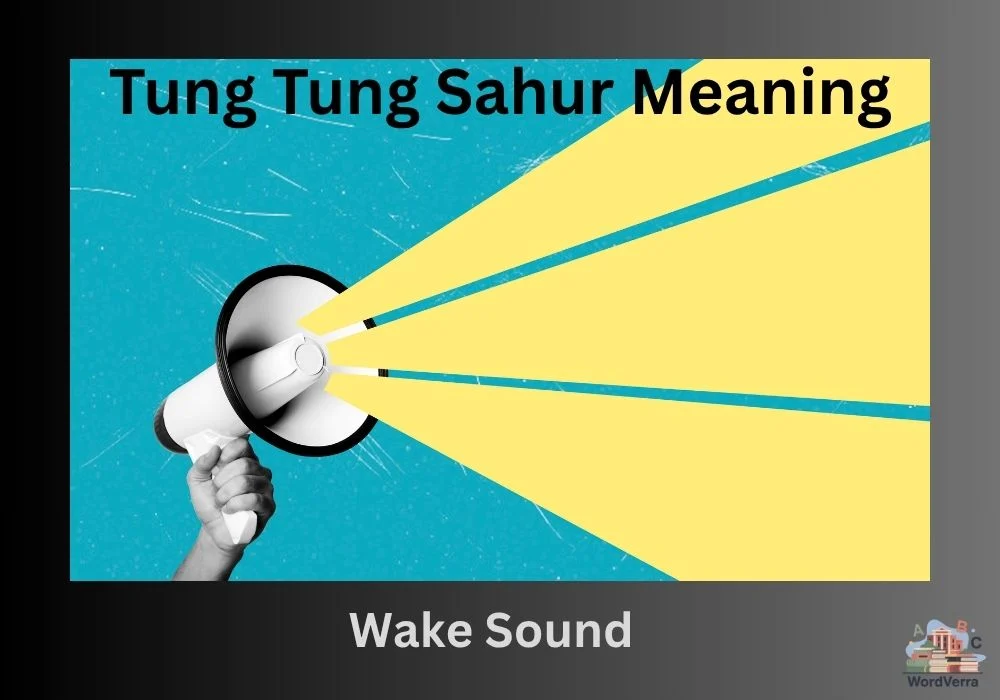
The phrase “tung tung sahur” has taken social media by storm, leaving many people curious about its real meaning and why it suddenly became so popular. From funny videos to relatable memes, this phrase is now closely linked with Ramadan mornings and online humor.
In this article, we’ll explain the tung tung sahur meaning, its origin, how it’s used today, and why it resonates with millions of users worldwide.
What Does Tung Tung Sahur Mean?
Tung tung sahur is an onomatopoeic phrase that imitates the sound of drums or knocking traditionally used to wake people up for sahur, the pre-dawn meal eaten before fasting during Ramadan.
In simple terms, it represents the wake-up call for sahur, especially in Muslim communities where drummers or callers go through streets early in the morning.
Example in context:
“Alarm se pehle hi tung tung sahur sunai de gaya.”
(I heard the tung tung sahur even before my alarm.)
Cultural Background of Tung Tung Sahur
The phrase is inspired by a long-standing tradition in many Muslim countries:
- People walk through neighborhoods beating drums or making loud sounds
- The goal is to wake residents for the pre-dawn meal
- The repeated sound is often remembered as “tung tung”
Over time, this sound became a shared cultural memory, especially for those who grew up observing Ramadan.
Why Tung Tung Sahur Became a Viral Trend
The popularity of tung tung sahur exploded due to:
- Short-form video platforms like TikTok and Instagram Reels
- Relatable humor about waking up too early
- Funny reenactments of sleepy reactions before fasting
Creators often use the phrase to show:
- Someone being startled awake
- Jokes about broken sleep schedules
- Nostalgia connected to Ramadan mornings
This relatability helped the phrase spread far beyond its original cultural setting.
How Tung Tung Sahur Is Used Today
In modern usage, tung tung sahur is not limited to its literal meaning. It is now used:
- As a meme caption
- As background audio in comedy videos
- To jokingly refer to any sudden early wake-up
Example:
“Exams ke din bhi tung tung sahur jaisa alarm lagta hai.”
(Even on exam days, the alarm feels like tung tung sahur.)
Is Tung Tung Sahur Religious or Just Slang?
While its roots are connected to Ramadan traditions, today the phrase is mostly:
- Light-hearted
- Humorous
- Culturally inspired rather than religious
It is generally used respectfully, but mocking religious practices is discouraged. Most viral content focuses on shared experiences rather than belief.
Tung Tung Sahur Meaning in Simple Words
Tung tung sahur refers to the drum-like sound used to wake people up for the pre-dawn meal during Ramadan and is now widely used as a funny, relatable meme phrase online.
Why People Relate to Tung Tung Sahur
People connect with this phrase because it represents:
- Sleepy mornings
- Shared cultural experiences
- Humor based on real-life routines
- Nostalgia mixed with modern internet culture
That emotional connection is why the phrase continues trending every Ramadan season.
Conclusion
To sum it up:
- Tung tung sahur imitates the sound used to wake people for sahur
- It originates from Ramadan traditions in Muslim communities
- Social media turned it into a viral and relatable meme
- Today, it’s commonly used for humor, nostalgia, and early-morning jokes
Understanding the tung tung sahur meaning helps you enjoy the memes while respecting the cultural context behind them.
Ghumman is a dedicated author at Wordverra, focused on delivering clear, accurate, and high-quality English grammar content for students and learners. With a strong commitment to language clarity and practical learning, Ghumman creates well-researched explanations and examples that make complex grammar rules easy to understand. The goal is to help readers build a solid foundation in English and use the language confidently in academic and everyday settings.