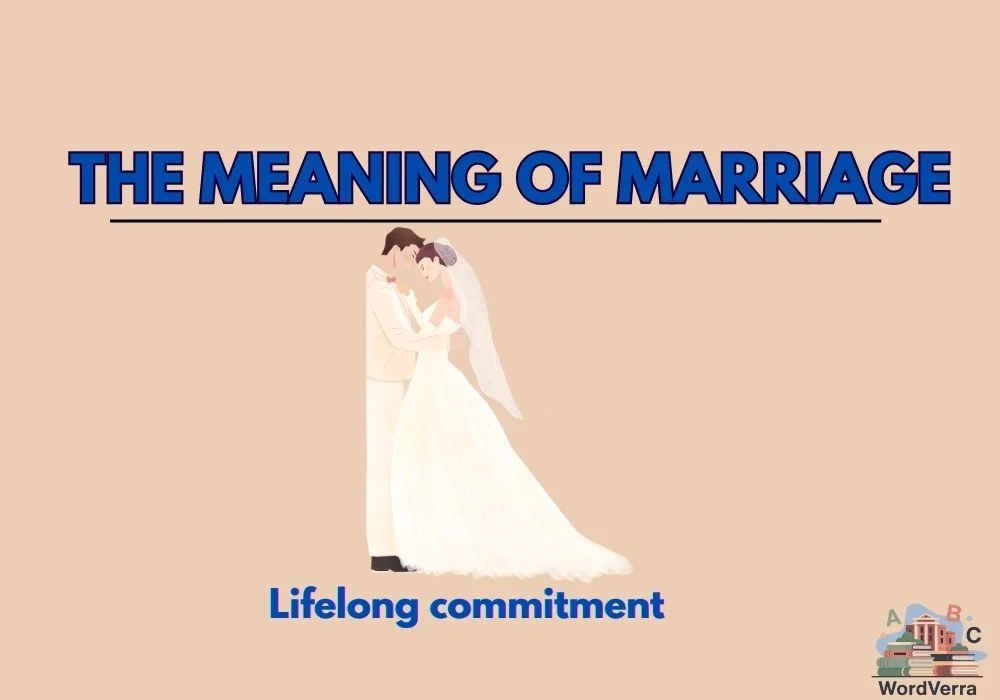
Marriage is one of the most significant social institutions in human society. Understanding the meaning of marriage helps individuals appreciate its legal, emotional, and cultural importance. In 2026, the concept of marriage continues to evolve, balancing tradition with modern values.
This article explores the meaning of marriage, its origins, purposes, types, modern interpretations, and how it shapes personal and societal life.
What Is Marriage? (Simple Definition)
Marriage is defined as:
A legally and socially recognized union between two individuals, establishing rights and responsibilities between them, often formalized by a ceremony.
Traditionally, marriage is viewed as a bond that:
- Provides companionship and emotional support
- Establishes a family unit
- Creates legal and financial responsibilities
- Serves social, cultural, or religious purposes
Example:
“Their marriage brought together two families and strengthened social ties.”
Origin of Marriage
Marriage has been practiced for thousands of years across cultures. Its origins include:
- Ancient Civilizations: Early societies used marriage to form alliances, manage property, and regulate reproduction.
- Religious Traditions: Many religions provide formal rituals and moral guidelines for marriage.
- Legal Recognition: Governments introduced legal frameworks to protect spouses’ rights and obligations.
The evolution of marriage reflects changes in society, gender roles, and cultural values.
The Meaning of Marriage in Modern Society
Today, marriage is more than a legal contract or social expectation. Modern marriage often emphasizes:
- Love and partnership: Emotional connection and mutual support
- Equality: Shared responsibilities and decision-making
- Personal growth: Supporting each other’s ambitions and well-being
- Commitment: Loyalty and long-term dedication to a partner
Example:
“For them, marriage was not just a ceremony; it was a lifelong partnership built on trust and respect.”
Types of Marriage
Marriage can take several forms, including:
- Monogamy: Union between two individuals
- Polygamy: Union involving multiple spouses
- Civil Marriage: Legally recognized marriage without religious rituals
- Religious Marriage: Marriage conducted under the rules of a faith
- Same-Sex Marriage: Legally recognized union between two individuals of the same gender
Each type reflects cultural norms, legal frameworks, and personal choices.
Common Misunderstandings About Marriage
Mistake 1: Marriage Equals Perfection
- Marriage requires effort, communication, and compromise, not just love or attraction.
Mistake 2: Marriage is Only for Procreation
- While raising a family is a purpose for some, marriage can exist for companionship, emotional support, and legal benefits.
Mistake 3: One-Size-Fits-All Approach
- Marriage varies across cultures, countries, and personal beliefs. Modern society recognizes diverse forms and expectations.
Benefits of Marriage
Marriage offers multiple benefits, including:
- Emotional stability and companionship
- Legal protection for spouses and children
- Financial advantages like tax benefits and shared property
- Social recognition and cultural acceptance
Example:
“Couples in strong marriages often report higher life satisfaction and better mental health.”
Challenges in Marriage
Even with its benefits, marriage comes with challenges:
- Communication issues
- Conflicting priorities or values
- Financial disagreements
- Adapting to life changes together
Understanding these challenges helps couples build resilient and meaningful marriages.
The Meaning of Marriage in Simple Words
Marriage is a committed relationship between two people that involves love, support, legal responsibilities, and shared life goals.
Conclusion
To summarize:
- Marriage is both a legal and social institution with emotional, cultural, and legal significance
- Modern marriage emphasizes love, partnership, equality, and personal growth
- Understanding the meaning of marriage helps individuals navigate relationships, commitments, and family life in a balanced and meaningful way

Ghumman is a dedicated author at Wordverra, focused on delivering clear, accurate, and high-quality English grammar content for students and learners. With a strong commitment to language clarity and practical learning, Ghumman creates well-researched explanations and examples that make complex grammar rules easy to understand. The goal is to help readers build a solid foundation in English and use the language confidently in academic and everyday settings.