The word swindler is commonly seen in news reports, literature, and online discussions about fraud or deception. While it may sound old-fashioned to some, the term remains highly relevant in describing people who cheat, trick, or defraud others. Understanding swindler meaning helps you identify scams, interpret media reports, and use the word correctly in conversation or writing.
This article explains swindler meaning, its historical context, real-life examples, common mistakes, and modern usage—all fully SEO-optimized and updated for 2026.
What Does Swindler Mean?
A swindler is:
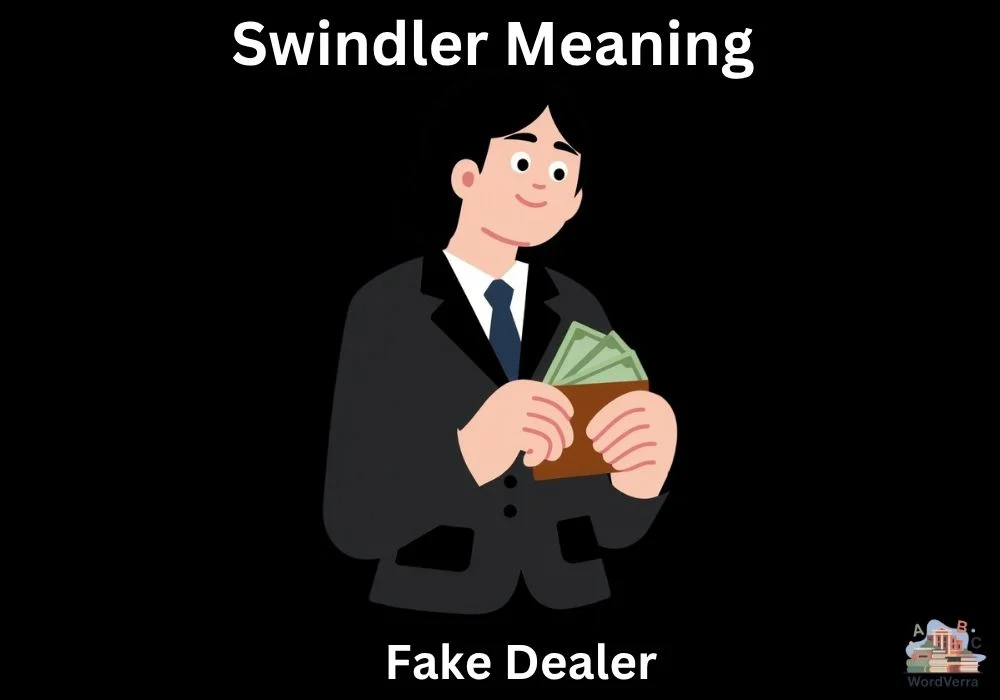
A person who cheats or defrauds others to gain money, property, or advantage.
It usually involves trickery, deceit, or fraudulent behavior.
Example sentence:
“The authorities arrested the swindler who tricked investors into a fake scheme.”
Here, swindler emphasizes someone deliberately deceiving others for personal gain.
Swindler Meaning in Simple Words
In everyday terms, a swindler is:
- a fraudster
- a con artist
- someone who cheats or deceives
Example:
“He was a swindler who sold fake tickets to the concert.”
It highlights dishonest behavior and unethical practices.
Origin of the Word Swindler
The term swindler comes from:
- German word schwindler, meaning a cheat or deceiver
- Originated in the 18th century in English usage
It has long been associated with fraud and trickery.
Swindler Meaning in Law and Crime
In legal contexts, a swindler is someone who:
- commits fraud
- engages in scams
- uses deception for financial gain
Example:
“The swindler was charged with multiple counts of wire fraud.”
Law enforcement often categorizes swindlers alongside other white-collar criminals.
Swindler in Everyday Life
The term is also used outside legal contexts to describe:
- dishonest salespeople
- online scammers
- people exploiting trust
Example:
“Beware of swindlers claiming to offer easy loans online.”
It helps identify and warn against deceitful individuals.
Swindler in Literature and Media
Writers often use swindler to:
- depict cunning or morally ambiguous characters
- create tension or conflict
- illustrate societal corruption
Example:
“The novel’s antagonist was a swindler who deceived the town’s residents.”
This usage highlights the trickery and charm often associated with swindlers.
Common Synonyms for Swindler
- Fraudster
- Con artist
- Cheat
- Trickster
- Scammer
Example:
“The swindler, or con artist, was known for clever schemes.”
Using synonyms can vary depending on the severity and context of deceit.
How to Use Swindler Correctly in Sentences
Correct Usage
- “The swindler duped investors with a fake investment plan.”
- “She realized too late that he was a swindler.”
Incorrect Usage
- “The swindler is a type of object.” ❌
(Swindler only refers to a person.)
Common Mistakes About Swindler Meaning
Mistake 1: Confusing With Minor Lies
- A swindler involves significant deceit for gain, not just small fibs.
Mistake 2: Using It for Things, Not People
- Only people can be swindlers.
Mistake 3: Overusing the Term Casually
- Calling someone a swindler in casual disagreements may exaggerate the accusation.
Swindler Meaning in Modern 2025 Context
With the rise of technology:
- Swindlers often operate online, using scams and phishing
- Social media and email frauds have made the term more relevant than ever
- Awareness of swindlers is important for personal security and financial safety
Example:
“Modern swindlers exploit online marketplaces and fake profiles to trick victims.”
The word remains essential in discussing fraud prevention and cybersecurity.
Swindler Meaning: Quick Summary
- Swindler = a person who cheats or defrauds others
- Used in legal, everyday, and literary contexts
- Synonyms include fraudster, con artist, and scammer
- Modern usage includes online scams and financial fraud
Understanding swindler meaning helps you identify deception and use the term accurately in conversation, writing, and reporting.
Conclusion
The term swindler may seem old-fashioned, but it remains highly relevant in 2026. From literature and media to online scams and legal cases, swindlers continue to pose risks. Knowing the meaning and usage of the word empowers you to communicate clearly, understand warnings, and spot deceit.

Ghumman is a dedicated author at Wordverra, focused on delivering clear, accurate, and high-quality English grammar content for students and learners. With a strong commitment to language clarity and practical learning, Ghumman creates well-researched explanations and examples that make complex grammar rules easy to understand. The goal is to help readers build a solid foundation in English and use the language confidently in academic and everyday settings.