The word portal is widely used in technology, literature, gaming, and everyday conversations. Whether you hear it in a tech meeting, read it in a fantasy novel, or see it in an online article, understanding portal meaning helps you grasp its context accurately.
This article explores portal meaning, its origin, various types, practical applications, and examples, all updated for 2026.
What Does Portal Mean?
In simple terms, a portal is:
An entryway, gateway, or access point to another place, system, or world.
The meaning changes slightly depending on the context:
- Physical: A door, gate, or entrance
- Digital/Tech: A website or platform that provides access to information or services
- Fiction/Fantasy: A magical gateway to another world or dimension
Example:
“The fantasy novel featured a hidden portal to a magical kingdom.”
Origin of the Word Portal
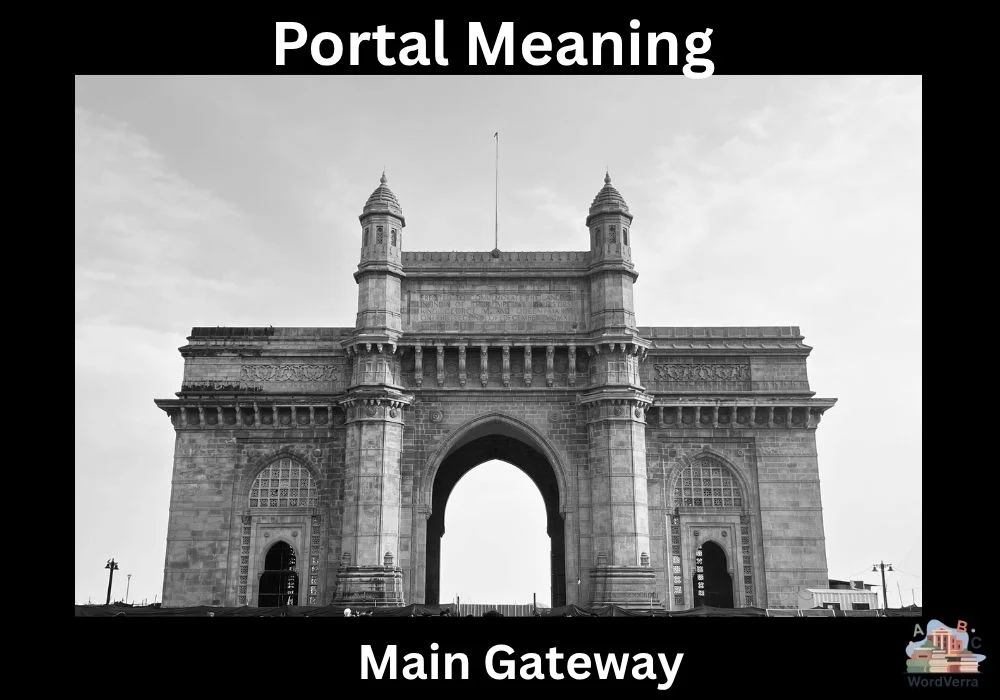
The word portal comes from the Latin word portale, meaning gate or entrance. Historically, it referred to grand entrances of buildings, especially in architecture:
- Cathedrals and castles often had ornate portals.
- Over time, the word evolved to include digital gateways and figurative uses.
Portal Meaning in Technology
In modern tech, a portal refers to websites or platforms that provide centralized access to services or information:
- Corporate portals: Employee dashboards with resources and tools
- Educational portals: Platforms for students to access learning materials
- Government portals: Websites offering public services and documentation
Example:
“The company’s employee portal provides access to payslips, HR forms, and project tools.”
Portal Meaning in Gaming and Fantasy
In gaming, literature, and movies, a portal is a magical or technological gateway:
- Allows characters to travel instantly between locations
- Common in games like Minecraft, Fortnite, and fantasy novels
Example:
“The hero jumped through the portal and arrived in a mystical forest.”
Here, it signifies instant travel or access to another world.
Portal Meaning in Everyday Language
People also use portal figuratively to describe:
- A gateway to opportunities
- Access to new experiences or knowledge
Example:
“Reading books is a portal to different cultures and ideas.”
This shows that the word is versatile and used in both literal and figurative contexts.
Types of Portals
- Physical Portals
- Doors, gates, or entrances to buildings or rooms
- Example: “The cathedral’s main portal was adorned with sculptures.”
- Digital Portals
- Websites or applications providing access to tools, services, or information
- Example: “Students can log into the educational portal for assignments.”
- Fictional/Magical Portals
- Gateways to fictional or magical worlds in stories or games
- Example: “The portal transported her to a land of dragons.”
Common Misunderstandings About Portal Meaning
Mistake 1: Confusing Portal with Website
- A portal is a specific type of website that centralizes access, not just any site.
Mistake 2: Thinking Portals Are Always Digital
- Physical portals, like doors and gates, still exist in literal contexts.
Mistake 3: Using Portal Too Figuratively
- While metaphorical use is common, overuse can confuse readers.
How to Use Portal in Sentences
- Physical: “The castle portal led to the grand hall.”
- Digital/Tech: “Employees can access the HR portal for updates.”
- Fantasy: “She stepped through the portal into a world of magic.”
- Figurative: “Education is a portal to endless opportunities.”
Portal Meaning in Modern Context (2026)
In 2026, portals are used in multiple spheres:
- Technology: AI-driven portals that centralize data and services
- Gaming: Interactive portals in VR and AR experiences
- Education: Digital portals for hybrid learning and collaboration
- Business: Customer portals for seamless service delivery
Example:
“The new AI portal provides real-time analytics and personalized recommendations.”
Portal Meaning: Quick Summary
A portal is an entrance, gateway, or access point. Its meaning spans physical spaces, digital platforms, magical gateways, and figurative ideas, making it versatile across contexts.
Conclusion
To summarize:
- Portal meaning can be literal, digital, fictional, or metaphorical
- It originates from Latin, originally meaning a grand entrance
- Modern use spans technology, gaming, education, and everyday language
- Understanding the term improves comprehension in professional, academic, and creative contexts
In 2026, portals continue to symbolize access, opportunity, and transition, whether in real life, online, or in storytelling.

Ghumman is a dedicated author at Wordverra, focused on delivering clear, accurate, and high-quality English grammar content for students and learners. With a strong commitment to language clarity and practical learning, Ghumman creates well-researched explanations and examples that make complex grammar rules easy to understand. The goal is to help readers build a solid foundation in English and use the language confidently in academic and everyday settings.