The term Opus Dei often appears in discussions about religion, spirituality, and even popular culture. Understanding Opus Dei meaning helps clarify its purpose, structure, and influence in the Catholic Church and society.
This article explains Opus Dei meaning, its history, beliefs, controversies, and how it is perceived today, updated for 2026.
What Does Opus Dei Mean?
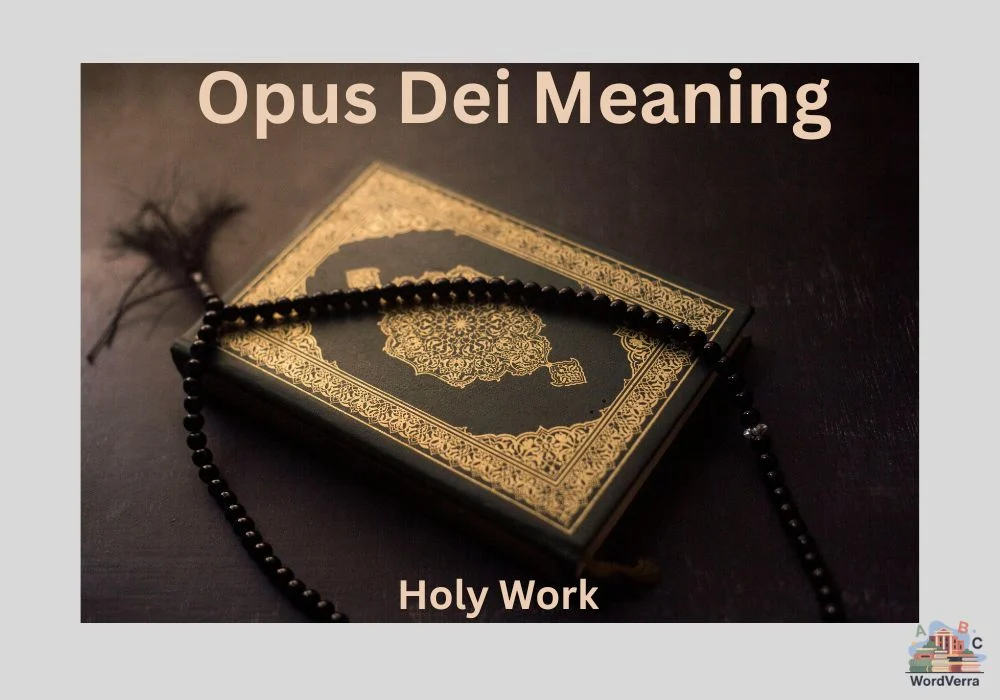
Opus Dei is a Latin phrase that literally translates to:
“Work of God.”
It refers to a personal prelature of the Catholic Church that emphasizes living a holy life through everyday work and ordinary activities.
Example:
“Members of Opus Dei believe in serving God through their daily work, whether at home, office, or community.”
Origin and History of Opus Dei
- Founded: 1928 by Saint Josemaría Escrivá in Spain
- Purpose: To help people seek sanctity through daily life and professional work
- Official Recognition: Declared a personal prelature by Pope John Paul II in 1982
The organization encourages laypeople and clergy to integrate spirituality into routine activities rather than separating religious life from everyday work.
Beliefs and Practices of Opus Dei
Members of Opus Dei focus on:
- Spiritual formation: Regular prayer, meditation, and attending Mass
- Professional excellence: Using one’s work as a means to serve God
- Community service: Helping others and practicing charity
- Personal discipline: Voluntary commitments like fasting or self-reflection
Example:
“Opus Dei members often follow strict daily routines to balance work, family, and spiritual practices.”
Opus Dei in Popular Culture
Opus Dei has been featured in books, films, and media, often sparking debate:
- The Da Vinci Code: Presented a controversial fictionalized version
- Documentaries and reports: Highlight both positive aspects and criticisms
- Public perception: Sometimes misunderstood as secretive or elitist
It’s important to distinguish fictional portrayals from actual beliefs of Opus Dei members.
Controversies and Misunderstandings
Common Misunderstandings
- Opus Dei is not a secret society
- Membership is voluntary and includes laypeople and clergy
- It encourages integration of faith into work, not political or financial power
Criticism
- Some critics cite strict practices and discipline
- Misrepresentation in media has led to public misconceptions
How Opus Dei Works Today (2026)
In modern context, Opus Dei continues to:
- Encourage professional and spiritual development
- Provide educational and charitable programs
- Maintain communities worldwide, supporting lay and clergy members
Example:
“Opus Dei schools and centers promote education and spiritual growth for students globally.”
Opus Dei Meaning in Simple Words (Quick Reminder)
Opus Dei means ‘Work of God,’ a Catholic organization that encourages people to live a holy life through daily work, prayer, and service.
Conclusion
To summarize:
- Opus Dei is a personal prelature of the Catholic Church emphasizing holiness in everyday life
- It was founded in 1928 by Saint Josemaría Escrivá and officially recognized in 1982
- Members focus on prayer, professional excellence, and service
- Understanding Opus Dei meaning helps differentiate between myths and real practices

Ghumman is a dedicated author at Wordverra, focused on delivering clear, accurate, and high-quality English grammar content for students and learners. With a strong commitment to language clarity and practical learning, Ghumman creates well-researched explanations and examples that make complex grammar rules easy to understand. The goal is to help readers build a solid foundation in English and use the language confidently in academic and everyday settings.