
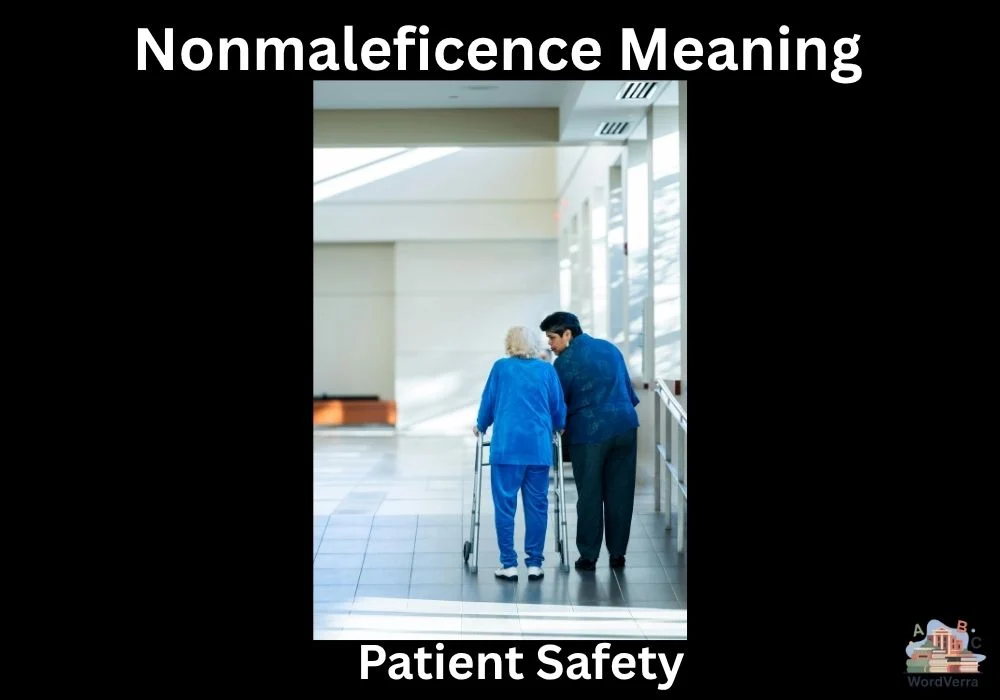
The term nonmaleficence is widely used in medical, ethical, and professional contexts, especially in discussions about healthcare and moral responsibilities. Understanding nonmaleficence meaning is essential for students, professionals, and anyone interested in ethics or healthcare.
Knowing what nonmaleficence means allows you to:
- Understand ethical principles in healthcare and other professions
- Apply moral reasoning in decision-making
- Communicate clearly about responsibilities and obligations
This article explains nonmaleficence meaning, its origin, applications, examples, and practical insights, updated for 2026.
What Does Nonmaleficence Mean? (Simple Definition)
In simple terms, nonmaleficence means:
The ethical principle of “do no harm” or avoiding actions that may cause injury or suffering.
It is one of the core principles in medical ethics, guiding professionals to act responsibly and prevent harm to others.
Example:
“Doctors must practice nonmaleficence when prescribing treatments to ensure patient safety.”
Here, nonmaleficence emphasizes avoiding harm rather than actively providing benefit (which is beneficence).
Origin of the Term Nonmaleficence
The word comes from Latin:
- Non → “not”
- Maleficere → “to do harm”
Combined, it literally means “do no harm.”
The concept became a formal part of medical ethics in the 20th century and is closely associated with the Hippocratic Oath.
Nonmaleficence in Healthcare
In healthcare, nonmaleficence requires professionals to:
- Avoid treatments that could harm patients unnecessarily
- Consider risks and benefits before interventions
- Ensure patient safety in all medical procedures
Example:
“Performing surgery without sufficient evidence of benefit violates nonmaleficence.”
It is considered foundational to medical professionalism alongside beneficence, autonomy, and justice.
Nonmaleficence Meaning in Ethics
Beyond healthcare, nonmaleficence applies in broader ethical discussions:
- Business decisions that avoid harming stakeholders
- Technology development that prioritizes safety
- Social policies minimizing harm to communities
Example:
“Designers should follow nonmaleficence by ensuring AI systems do not unintentionally harm users.”
It emphasizes responsibility and prevention of harm in professional and moral contexts.
Nonmaleficence vs Beneficence
It’s important to distinguish nonmaleficence from beneficence:
- Nonmaleficence: Do no harm
- Beneficence: Act to benefit others
Example:
“Giving a new drug might benefit a patient (beneficence), but if side effects cause harm, it violates nonmaleficence.”
Both principles often guide ethical decision-making, but nonmaleficence prioritizes avoiding harm.
How Nonmaleficence Is Used in Sentences
Medical Context
“The nurse followed nonmaleficence when double-checking medication dosages.”
Business Context
“Nonmaleficence should guide corporate social responsibility decisions to prevent negative impact.”
Technology Context
“Software developers apply nonmaleficence by testing security systems before release.”
Common Misunderstandings About Nonmaleficence
Mistake 1: Confusing It With Beneficence
- Nonmaleficence focuses on avoiding harm, not providing benefits.
Mistake 2: Believing It Only Applies to Medicine
- The principle applies to any profession where actions could harm others.
Mistake 3: Using It Casually in Everyday Speech
- Nonmaleficence is formal and typically used in ethical, professional, or academic contexts.
Importance of Nonmaleficence in 2026
Nonmaleficence remains relevant in 2026 because:
- Healthcare practices continue to prioritize patient safety
- Ethical frameworks guide AI, technology, and business decisions
- Social responsibility emphasizes preventing harm to communities
Its principle encourages careful consideration of actions and consequences in all areas of life.
Nonmaleficence Meaning in Simple Words (Quick Reminder)
Nonmaleficence means “do no harm” — taking care to avoid causing injury, suffering, or negative consequences.
It is a key ethical principle in medicine, ethics, business, and technology.
Real-Life Examples of Nonmaleficence
- Healthcare: Avoiding unnecessary surgery that could risk patient health
- Business: Ensuring products do not harm consumers
- Technology: Testing software to prevent security breaches or user harm
- Social Responsibility: Implementing policies that minimize negative effects on communities
These examples show that nonmaleficence is about responsibility and safety.
Conclusion
To summarize:
- Nonmaleficence is the principle of avoiding harm in all professional and ethical actions
- It is foundational in healthcare but applies across fields
- Understanding nonmaleficence helps guide responsible decision-making and ethical behavior
By applying nonmaleficence, professionals and individuals can make choices that protect others, prevent harm, and promote ethical standards.

Ghumman is a dedicated author at Wordverra, focused on delivering clear, accurate, and high-quality English grammar content for students and learners. With a strong commitment to language clarity and practical learning, Ghumman creates well-researched explanations and examples that make complex grammar rules easy to understand. The goal is to help readers build a solid foundation in English and use the language confidently in academic and everyday settings.