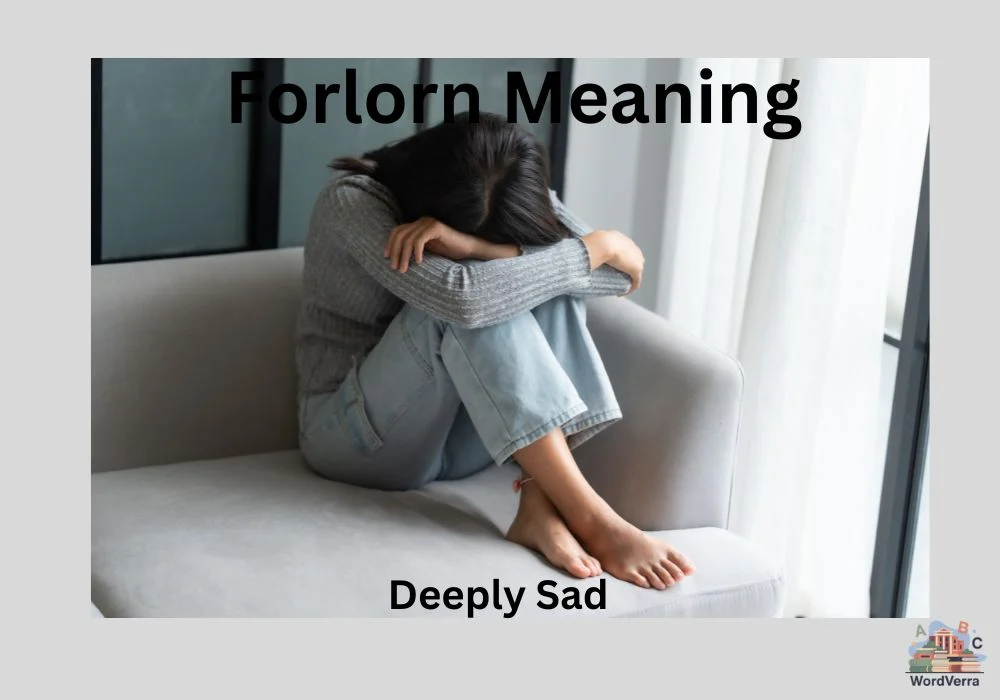
The word forlorn is often used in literature, conversations, and emotional expressions to describe deep sadness or abandonment. Understanding forlorn meaning helps readers, writers, and speakers communicate feelings more vividly and accurately.
This article explores forlorn meaning, its origin, usage in sentences, common misunderstandings, and real-life examples updated for 2026.
What Does Forlorn Mean?
In simple terms, forlorn means:
Sad, abandoned, lonely, or hopeless.
It is commonly used to describe:
- A person who feels desolate or abandoned
- A place that seems lonely or neglected
- An action or expression that conveys despair
Example:
“She stood by the window with a forlorn expression, waiting for someone who never came.”
Origin and Background of Forlorn
The word forlorn comes from Old English forlēosan, meaning to lose completely or to perish. Over centuries, it evolved to describe emotional loss or desolation, which is how it is commonly used today in English.
Forlorn Meaning in Literature
In literature, forlorn is often used to evoke empathy and melancholy:
- Describing characters: “The forlorn hero wandered through the empty streets.”
- Describing places: “The abandoned house looked forlorn under the gray sky.”
- Setting a tone: Writers use it to create mood and emotional depth.
This makes forlorn a powerful word for storytelling and poetry.
Forlorn Meaning in Everyday Life
In daily conversation, forlorn can describe real-life feelings:
- Feeling lonely after losing a loved one
- Experiencing hopelessness in challenging situations
- Observing a neglected or deserted place
Example:
“He felt forlorn when his friends left the city without saying goodbye.”
Forlorn Meaning in Emotional and Social Contexts
- Loneliness: Feeling isolated or disconnected
- Desperation: Losing hope in a situation
- Abandonment: Feeling left behind or ignored
Example:
“The stray dog looked forlorn, wandering the streets in search of food.”
This usage emphasizes emotional depth rather than literal physical abandonment.
Common Misunderstandings About Forlorn
Mistake 1: Confusing Forlorn With Sadness Only
- Forlorn implies loneliness or abandonment, not just temporary sadness.
Mistake 2: Using Forlorn in Casual Contexts
- The word is often more literary or formal and may feel out of place in casual conversation.
Mistake 3: Overgeneralizing
- Not every unhappy person or empty place is forlorn—it implies desolation combined with hopelessness.
How to Use Forlorn in Sentences
- Literature: “The forlorn castle stood in ruins after centuries of neglect.”
- Personal feelings: “She felt forlorn after moving to a new city alone.”
- Observing objects or places: “The forlorn playground was empty in the winter snow.”
Forlorn Meaning in Modern Context (2026)
In 2026, forlorn continues to appear in:
- Literature and creative writing
- Social media posts with emotional tone
- News articles or narratives describing isolation or neglect
Example:
“The abandoned store looked forlorn amidst the busy city streets.”
The word retains poetic and emotional significance, helping convey feelings of emptiness and solitude effectively.
Forlorn Meaning in Simple Words (Quick Reminder)
Forlorn means lonely, abandoned, sad, or hopeless, often evoking deep emotional desolation.
Conclusion
To summarize:
- Forlorn describes feelings of sadness, loneliness, and abandonment
- It is commonly used in literature, emotional expression, and descriptive language
- The word carries emotional depth and conveys hopelessness or desolation
- Understanding forlorn meaning helps you express and interpret emotions more clearly

Ghumman is a dedicated author at Wordverra, focused on delivering clear, accurate, and high-quality English grammar content for students and learners. With a strong commitment to language clarity and practical learning, Ghumman creates well-researched explanations and examples that make complex grammar rules easy to understand. The goal is to help readers build a solid foundation in English and use the language confidently in academic and everyday settings.