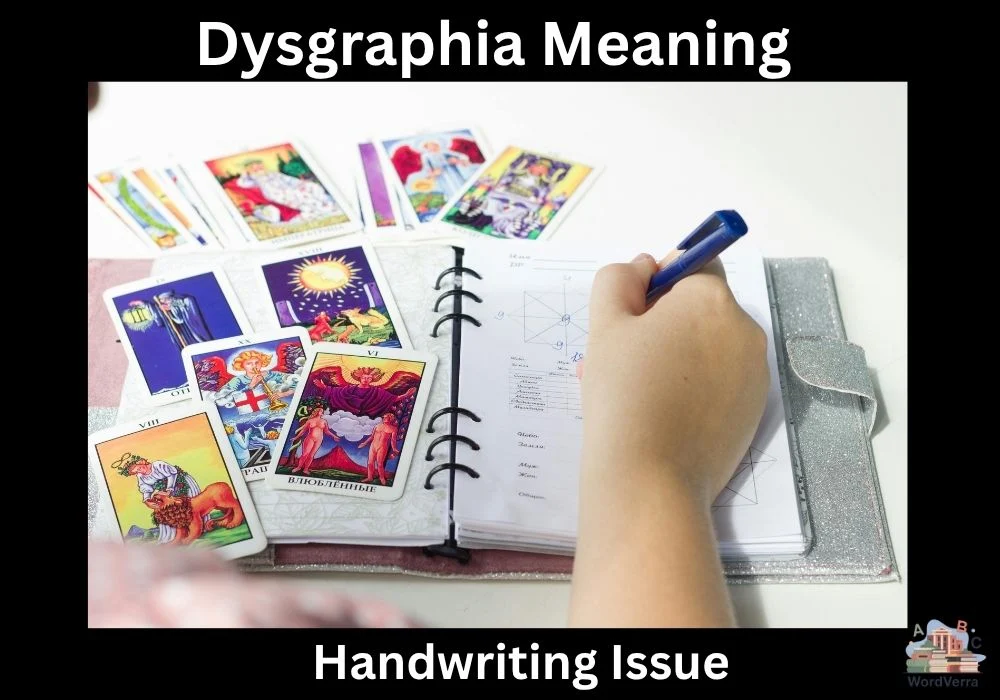
Dysgraphia is a learning difference that affects writing abilities, and it is increasingly recognized in schools, workplaces, and mental health discussions. Understanding dysgraphia meaning is essential for educators, parents, students, and anyone navigating written communication challenges.
This article explores dysgraphia meaning, its signs, causes, and practical strategies, helping readers better understand this learning difference and how to support those affected. The content is fully SEO-optimized and updated for 2026.
What Does Dysgraphia Mean?
Dysgraphia is:
A neurological condition that makes writing difficult, including issues with handwriting, spelling, and organizing thoughts on paper.
It is not related to intelligence. People with dysgraphia may have average or above-average cognitive abilities but struggle to express themselves through writing.
Example:
“Despite excelling in math, he was diagnosed with dysgraphia because writing essays took much longer than his peers.”
Dysgraphia Meaning in Simple Words
In simple terms, dysgraphia means:
- Trouble writing clearly or consistently
- Difficulty spelling correctly
- Challenges organizing thoughts on paper
It affects handwriting, typing, and sometimes grammar, making communication through writing more challenging.
Signs of Dysgraphia
Common signs include:
- Illegible handwriting or inconsistent letter sizing
- Slow writing speed compared to peers
- Difficulty with spelling and grammar
- Trouble organizing sentences or paragraphs
- Avoidance of writing tasks due to frustration
Example:
“She loves telling stories verbally but struggles to put them on paper because of dysgraphia.”
Causes of Dysgraphia
Dysgraphia is often neurological and may result from:
- Brain processing differences in motor skills and language
- Fine motor skill difficulties
- Co-occurring conditions such as ADHD or dyslexia
It is important to note that dysgraphia is not caused by laziness or lack of intelligence.
Types of Dysgraphia
- Dyslexic Dysgraphia
- Writing is illegible, but oral spelling and reading may be normal.
- Motor Dysgraphia
- Caused by poor fine motor skills; writing is physically difficult.
- Spatial Dysgraphia
- Letters and words are poorly spaced; difficulty aligning writing on the page.
Dysgraphia Meaning in Learning and Education
In schools, dysgraphia can affect:
- Handwriting and note-taking
- Written exams and essays
- Classroom participation
Teachers often support students through:
- Typing instead of handwriting
- Speech-to-text tools
- Extra time on written assignments
Example:
“Using a tablet for assignments helped him manage dysgraphia without falling behind.”
Coping Strategies for Dysgraphia
Practical strategies include:
- Assistive technology: Speech-to-text apps, typing tools
- Occupational therapy: Improve motor skills
- Structured practice: Tracing, copying, or handwriting exercises
- Breaking tasks into steps: Simplify complex writing assignments
- Supportive learning environment: Encouragement and patience
Example:
“Daily writing exercises with guidance improved her confidence despite dysgraphia.”
Common Misunderstandings About Dysgraphia
Mistake 1: Confusing Dysgraphia with Laziness
Struggling with writing is neurological, not a lack of effort.
Mistake 2: Thinking Dysgraphia Affects Intelligence
Many people with dysgraphia are highly intelligent and creative.
Mistake 3: Assuming It Only Affects Handwriting
Dysgraphia can impact typing, spelling, and organizing written ideas as well.
Dysgraphia Meaning in 2026 Context
In 2026, awareness of dysgraphia has grown due to:
- Digital learning platforms
- Assistive technology adoption
- Better educational support systems
Understanding dysgraphia today helps students and adults thrive in academic, professional, and personal settings.
Dysgraphia Meaning: Quick Summary
- Dysgraphia is a learning difference affecting writing abilities
- It impacts handwriting, spelling, and written organization
- Causes are neurological and may involve motor skills or co-occurring conditions
- Support includes assistive technology, therapy, and structured learning strategies

Ghumman is a dedicated author at Wordverra, focused on delivering clear, accurate, and high-quality English grammar content for students and learners. With a strong commitment to language clarity and practical learning, Ghumman creates well-researched explanations and examples that make complex grammar rules easy to understand. The goal is to help readers build a solid foundation in English and use the language confidently in academic and everyday settings.