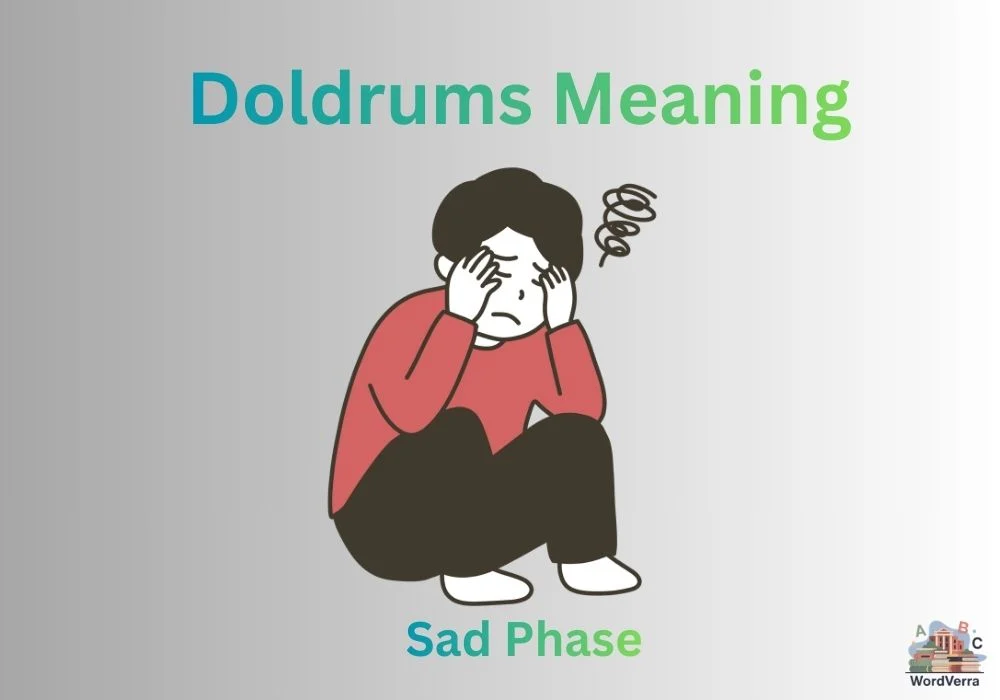
The word doldrums is often used in conversations, literature, and media to describe periods of low energy or stagnation. Understanding doldrums meaning can help you interpret both literal and figurative uses in English.
This article explores the meaning of doldrums, its origin, examples in everyday life, common mistakes, and modern usage, updated for 2026.
What Does Doldrums Mean? (Simple Definition)
In simple terms, doldrums refers to:
A state of inactivity, stagnation, or low spirits.
It can describe:
- A feeling of sadness or depression
- A period of inactivity in business, work, or creative projects
- Literally, areas in the ocean with little wind or calm seas
Example:
“After the project failed, the team was in the doldrums for weeks.”
Origin of the Word Doldrums
The word doldrums comes from nautical terminology in the 18th century.
- Refers to calm regions near the equator where sailing ships often became stuck due to lack of wind
- Over time, the term evolved to describe emotional or situational stagnation
Literal origin:
- “Dull” + “drums” (from the idea of monotony and inactivity at sea)
Doldrums Meaning in Emotional Context
Doldrums is often used to describe low moods or depression. Common indicators include:
- Feeling sad or unmotivated
- Lack of energy or enthusiasm
- Difficulty completing tasks
Example:
“He’s been in the doldrums since losing his job.”
Doldrums Meaning in Work or Creative Life
The term is also used figuratively in professional or creative settings:
- Stagnant business periods: “Sales have been in the doldrums this quarter.”
- Creative blocks: “The writer hit the doldrums and couldn’t finish the novel.”
Using doldrums in this way conveys temporary lack of progress or inspiration.
Literal Nautical Meaning of Doldrums
Originally, doldrums referred to:
- Calm areas in the tropical Atlantic and Pacific oceans
- Ships would drift slowly due to lack of wind
- Mariners feared the doldrums because they caused delays and stagnation
This literal meaning inspired the figurative sense of inactivity or stagnation in language.
How to Use Doldrums in Sentences
- Emotional context:
“She felt in the doldrums after the breakup.”
- Work or productivity context:
“Our sales team has been in the doldrums this month.”
- Literal nautical context:
“The ship was trapped in the doldrums for several days.”
Common Misunderstandings About Doldrums
- Doldrums ≠ permanent state: It usually refers to temporary stagnation or low mood.
- Not always negative: Can describe calmness at sea in a literal sense.
- Avoid using casually for minor setbacks: Use doldrums for notable periods of inactivity or low spirits.
Doldrums Meaning in Modern Context (2026)
In 2026, doldrums is commonly used in:
- Workplace and business reporting
- Creative and artistic communities
- Casual conversation to describe mood swings
- Online content, blogs, and motivational articles
Example:
“After months in the doldrums, the startup finally secured funding.”
The word remains powerful due to its vivid metaphorical imagery and emotional resonance.
Doldrums Meaning in Simple Words (Quick Reminder)
Doldrums means a period of inactivity, low energy, or sadness, often temporary, and can also refer to calm regions at sea.
Conclusion
To summarize:
- Doldrums refers to low energy, inactivity, or emotional stagnation
- It can be used literally (calm seas) or figuratively (low mood, business stagnation)
- Using the word correctly adds expressiveness and depth to speech and writing
- Understanding doldrums meaning helps convey moods, productivity, and life situations effectively

Ghumman is a dedicated author at Wordverra, focused on delivering clear, accurate, and high-quality English grammar content for students and learners. With a strong commitment to language clarity and practical learning, Ghumman creates well-researched explanations and examples that make complex grammar rules easy to understand. The goal is to help readers build a solid foundation in English and use the language confidently in academic and everyday settings.