
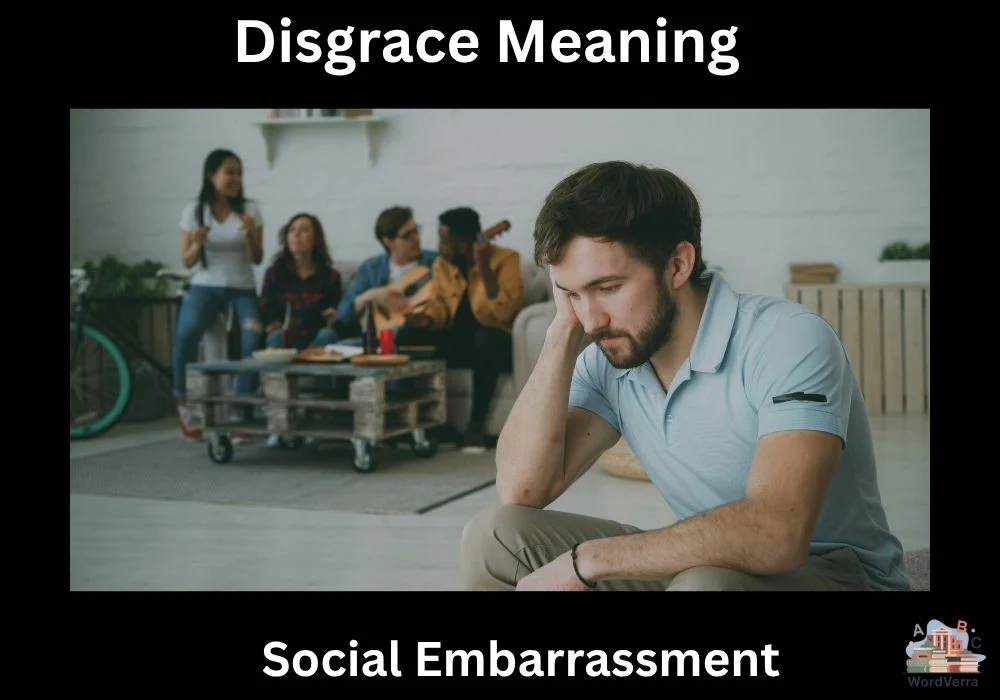
The word disgrace is often used in emotional conversations, news headlines, social media posts, and everyday speech. It carries strong meaning and can deeply affect how a situation, action, or person is perceived. Because of its intensity, understanding disgrace meaning is important to avoid misuse or misunderstanding.
This article explains disgrace meaning in simple, human language, shows how it is used in modern conversations, and explores its emotional impact with real-life examples.
What Does Disgrace Mean in Simple Words?
In basic terms, disgrace means:
A situation, action, or behavior that causes shame, loss of respect, or public embarrassment.
When something is described as a disgrace, it usually:
- Violates expectations
- Damages reputation
- Causes disappointment or dishonor
It is a strong negative word, often tied to moral or social judgment.
Understanding Disgrace Meaning in Everyday Language
In everyday English, disgrace is used to express:
- Anger
- Disappointment
- Moral disapproval
Examples:
- “His actions were a disgrace.”
- “The incident brought disgrace to the family.”
- “That behavior is a complete disgrace.”
The word emphasizes that something is socially unacceptable.
Emotional Weight Behind the Word Disgrace
Unlike mild criticism, disgrace carries emotional intensity. It suggests:
- A serious failure
- A deep sense of shame
- Public or private humiliation
Because of this, people use it carefully — especially in personal conversations.
Disgrace Meaning in Modern Conversations and Media
In 2026, the word appears frequently in:
- Social media debates
- News articles
- Online discussions
Example:
“The corruption scandal is a disgrace to the system.”
Here, disgrace highlights ethical failure and public outrage.
Disgrace Meaning in Family and Social Contexts
In family or cultural settings, disgrace may refer to:
- Breaking social norms
- Acting dishonorably
- Causing embarrassment to others
Example:
“They felt his behavior brought disgrace to their name.”
This usage is more common in traditional or value-driven communities.
Disgrace vs Shame: What’s the Difference?
Although related, these words are not identical.
- Shame is often internal and personal
- Disgrace is usually external and social
You may feel shame privately, but disgrace often involves public judgment.
Disgrace Meaning in Formal and Informal Speech
- Formal usage: Appears in news, speeches, and writing
- Informal usage: Used in arguments or strong opinions
Examples:
- “This decision is a disgrace.”
- “What a disgraceful act!”
The tone depends on context, but the meaning remains intense.
Common Situations Where Disgrace Is Used
People often use the word when referring to:
- Corruption
- Cheating
- Betrayal
- Dishonest behavior
It reflects moral condemnation, not just disappointment.
Disgrace as a Noun and Verb
The word can function in two ways:
As a Noun
- “The event was a disgrace.”
As a Verb
- “He disgraced himself.”
Both forms express loss of respect.
Disgrace Meaning in Literature and Writing
Writers use disgrace to:
- Show character downfall
- Highlight moral conflict
- Create emotional impact
Example:
“The scandal pushed him into disgrace.”
The word adds drama and seriousness to storytelling.
Common Misunderstandings About Disgrace
Mistake 1: Using Disgrace Too Casually
Because it is strong, using it lightly can sound exaggerated.
Mistake 2: Confusing Disgrace With Failure
Not every failure is a disgrace — disgrace involves ethical or moral judgment.
Mistake 3: Assuming Disgrace Is Permanent
While serious, people can recover from disgrace through accountability and change.
How to Use Disgrace Correctly in a Sentence
Correct examples:
- “The act was seen as a disgrace.”
- “His conduct brought disgrace.”
- “They called the incident a disgrace.”
Incorrect example:
- “I missed the bus, what a disgrace.” ❌
(This would sound exaggerated.)
Why Understanding Disgrace Meaning Matters
Understanding this word helps you:
- Communicate emotions accurately
- Avoid overstatement
- Interpret news and opinions correctly
Language shapes how we judge events — and disgrace is a powerful judgment word.
Disgrace Meaning in Simple Words (Quick Reminder)
Disgrace means serious shame caused by unacceptable behavior.
Modern Usage Trends in 2026
In 2026, the word is often used:
- In online debates
- During viral controversies
- In accountability discussions
People use it to express collective disappointment.
Final Thoughts
The word disgrace is more than just criticism — it reflects moral outrage and loss of respect. Knowing its meaning and proper usage helps you express strong emotions responsibly and understand the emotional tone behind conversations, headlines, and opinions.

Ghumman is a dedicated author at Wordverra, focused on delivering clear, accurate, and high-quality English grammar content for students and learners. With a strong commitment to language clarity and practical learning, Ghumman creates well-researched explanations and examples that make complex grammar rules easy to understand. The goal is to help readers build a solid foundation in English and use the language confidently in academic and everyday settings.