
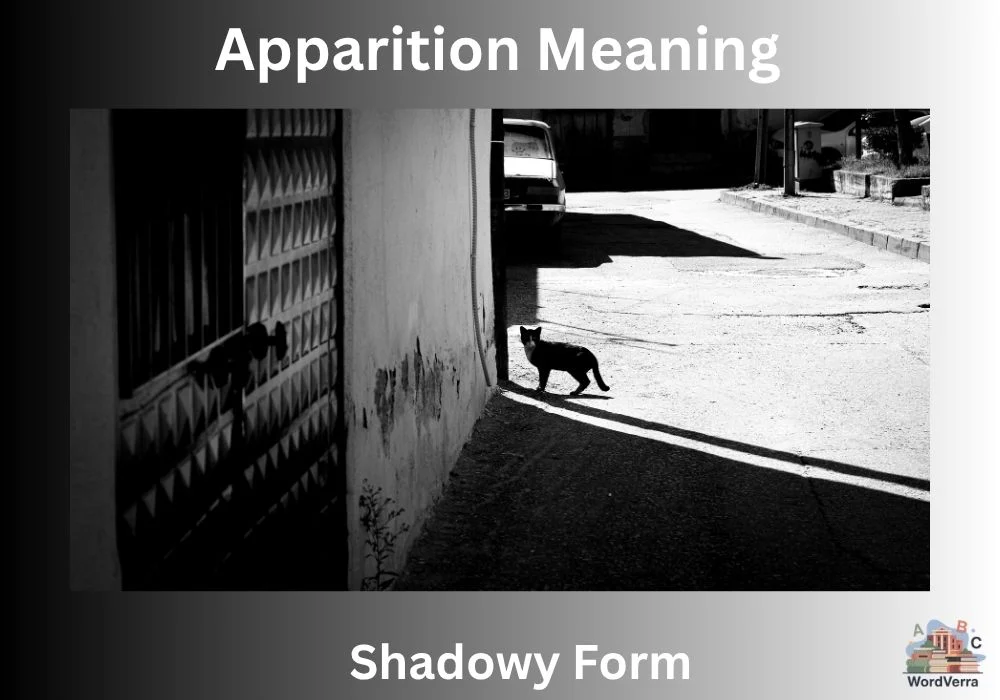
The word apparition is often associated with mysterious or supernatural appearances, but its usage extends to literature, storytelling, and even figurative language. Understanding apparition meaning helps readers, writers, and enthusiasts accurately interpret ghost stories, historical texts, and modern media references.
This article explores apparition meaning, its origin, different contexts, examples in modern usage, and common mistakes to avoid, updated for 2026.
What Does Apparition Mean?
In simple terms, an apparition is:
A ghostly or unexpected appearance, often of a person, figure, or object that seems supernatural or mysterious.
It generally implies something seen that is unusual, eerie, or sudden.
Example:
“During the storm, an apparition appeared at the window.”
Here, the word suggests a ghostly or unexplained presence.
Apparition Meaning in Simple Words
An apparition can refer to:
- A ghost
- A sudden vision
- An unusual appearance that captures attention
Example:
“The old mansion was rumored to be haunted, with apparitions of its former residents.”
The word emphasizes mystery and surprise.
Origin of the Word Apparition
- Derived from the Latin apparitio, meaning “appearance” or “manifestation”
- Historically used to describe ghosts or divine visions
- Entered English usage in the 16th century, often in literature and religious texts
The origin highlights its connection to sudden or supernatural appearances.
Apparition Meaning in Literature
In literature, an apparition is often:
- A symbolic or supernatural figure
- Used to create suspense, fear, or revelation
- A way to show characters’ psychological states
Example:
“The apparition of her deceased father haunted her dreams.”
Writers use apparitions to explore emotion, memory, and morality.
Apparition Meaning in Religion and Spirituality
In religious contexts, apparition refers to:
- Manifestations of saints, angels, or divine figures
- Visions experienced during prayer or meditation
- Signs meant to convey messages
Example:
“The apparition of the Virgin Mary is said to have appeared to several children.”
This usage emphasizes reverence and spiritual significance.
Apparition Meaning in Everyday Language
In everyday English, apparition can be used metaphorically:
- To describe sudden appearances
- To emphasize something surprising or fleeting
Example:
“A bright apparition of light appeared on the horizon.”
Even without supernatural context, it conveys mystery and wonder.
How to Use Apparition in Sentences
As a Noun
Most common usage:
Example:
“The hikers reported seeing a strange apparition in the fog.”
With Adjectives
Often paired with descriptors like ghostly, sudden, or mysterious.
Example:
“A ghostly apparition emerged from the shadows.”
In Figurative Writing
Used to describe fleeting or remarkable appearances.
Example:
“The rainbow was an apparition of color after the storm.”
Common Mistakes About Apparition Meaning
Mistake 1: Using It for Ordinary Sightings
- An apparition is unusual or unexpected, not everyday objects.
Incorrect:
“I saw an apparition on the street.” ❌
Correct:
“A mysterious apparition appeared on the old bridge.” ✔️
Mistake 2: Confusing It With Hallucination
- Apparition may be seen as real in context; hallucination implies a mental perception.
Mistake 3: Overusing in Casual Speech
- Apparition is formal and dramatic; in casual conversation, simpler words like figure or vision may work better.
Apparition Meaning in Modern Context (2026)
Today, apparition is used in:
- Ghost stories, movies, and TV series
- Literature and novels
- Metaphorical or figurative writing
- Occasional spiritual or religious contexts
Example:
“The film features apparitions that reveal the protagonist’s hidden fears.”
In 2025, the word continues to evoke mystery, suspense, and the supernatural.
Apparition Meaning: Quick Summary
To summarize:
- An apparition is a ghostly, sudden, or mysterious appearance
- It is used in literature, religion, and everyday figurative language
- The word suggests mystery, suspense, or spiritual significance
- Using it correctly adds depth and drama to writing

Ghumman is a dedicated author at Wordverra, focused on delivering clear, accurate, and high-quality English grammar content for students and learners. With a strong commitment to language clarity and practical learning, Ghumman creates well-researched explanations and examples that make complex grammar rules easy to understand. The goal is to help readers build a solid foundation in English and use the language confidently in academic and everyday settings.