
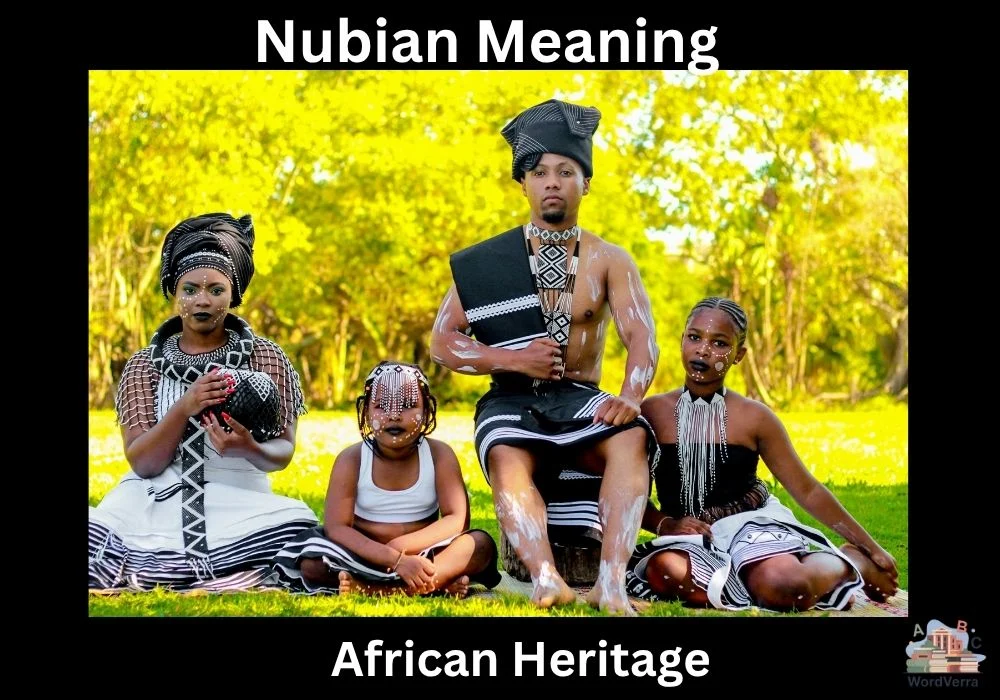
Understanding words that carry historical and cultural weight is important, especially in today’s global and digital world. One such term is Nubian. You may have seen it used in history books, cultural discussions, online conversations, or even modern fashion and music contexts. But what does it actually mean, and how should it be understood today?
The Nubian meaning goes far beyond a simple definition. It connects to ancient civilizations, rich cultural identity, and modern expressions of heritage. Misunderstanding or oversimplifying the term can lead to confusion or misuse, especially online. That’s why this guide explains the meaning clearly, respectfully, and in a modern context.
What Nubian Means in Simple Terms
The word Nubian refers to people, culture, or heritage associated with Nubia, a historic region located along the Nile River in what is now southern Egypt and northern Sudan.
In general use, Nubian describes:
- A person belonging to Nubian ethnic groups
- Cultural traditions originating from Nubia
- Languages historically spoken in the Nubian region
- Art, history, or identity linked to that area
The term is not slang. It is a cultural and historical identifier with deep roots.
Historical Background of Nubian Identity
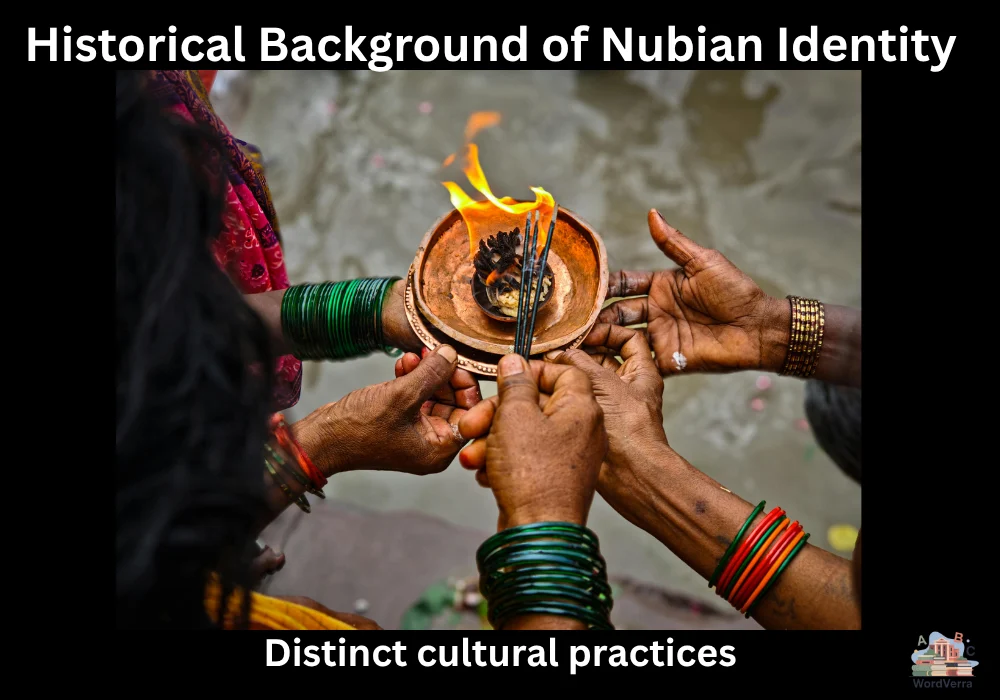
Nubia was home to one of Africa’s earliest advanced civilizations, existing alongside ancient Egypt for thousands of years. Nubians built kingdoms, traded extensively, and developed unique art, architecture, and social systems.
Historically, Nubian societies were known for:
- Skilled craftsmanship
- Strong trading networks
- Independent kingdoms
- Distinct cultural practices
This long history is why the Nubian identity remains significant today.
Nubian Meaning (Slang)
In slang, “Nubian” is often used in a positive and cultural sense.
👉 It refers to a Black person (especially of African descent), highlighting:
- Beauty
- Strength
- Heritage
- Pride in African roots
Tone & Usage:
- Usually respectful and empowering
- Common in communities that celebrate African identity and history
Example:
- She has that Nubian beauty everyone admires.
👉 Simple Meaning:
Nubian (slang) = a proud reference to Black/African identity and beauty
Nubian Queen Meaning
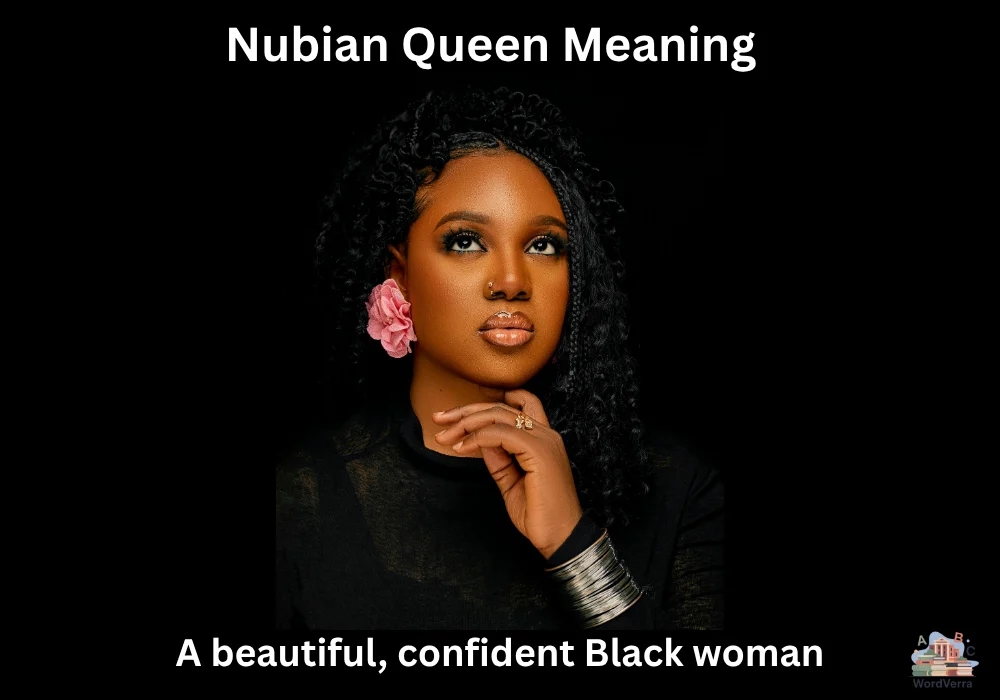
The phrase “Nubian Queen” is a strong compliment and cultural expression.
👉 It means:
- A beautiful, confident Black woman
- Someone who represents strength, dignity, and heritage
What It Implies:
- 👑 Royalty and self-respect
- 🌍 Connection to African roots
- 💪 Confidence and empowerment
Example:
- You look like a true Nubian queen today!
Cultural Significance of the Term Nubian
The Nubian identity represents pride, resilience, and cultural continuity. Despite historical challenges such as displacement and colonization, Nubian communities have preserved their traditions, music, clothing, and languages.
In modern discussions, Nubian often symbolizes:
- Cultural heritage
- Ancestral pride
- African history
- Community identity
Using the term respectfully acknowledges this legacy.
Nubian Meaning in Modern Conversations
Today, the word Nubian appears in various modern contexts, including:
- Cultural education
- Academic writing
- Social media discussions
- Art, music, and fashion
Examples of modern usage:
- “She’s researching Nubian history for her thesis.”
- “The festival celebrated Nubian culture and music.”
- “His artwork reflects Nubian heritage.”
In all these cases, Nubian refers to cultural or historical identity, not slang or exaggeration.
Nubian as a Cultural Descriptor, Not a Label
It’s important to understand that Nubian is not a casual label. It represents real people and communities. Using it correctly shows awareness and respect.
Appropriate use includes:
- Educational contexts
- Cultural references
- Self-identification
Inappropriate use includes:
- Stereotyping
- Mockery
- Using it as a generic term for appearance
Common Misunderstandings About Nubian Meaning
Mistake 1: Assuming Nubian Refers to a Single Country
Nubian identity spans regions in both Egypt and Sudan, not just one nation.
Mistake 2: Treating Nubian as a Skin Tone Description
While Nubians are often described as having dark skin, the term does not describe appearance alone. It refers to heritage and culture.
Mistake 3: Using Nubian as Slang
Unlike internet abbreviations, Nubian is not informal slang. It has historical and cultural importance.
Nubian Languages and Traditions
Several Nubian languages are still spoken today, passed down through generations. Music, storytelling, and traditional clothing remain key parts of Nubian community life.
Cultural practices often emphasize:
- Family bonds
- Oral history
- Artistic expression
- Connection to the Nile
These traditions contribute to the richness of Nubian culture today.
How Nubian Is Viewed in 2026
In 2026, there is increased global awareness of African history and indigenous cultures. Nubian identity is often highlighted in:
- Cultural preservation efforts
- Academic research
- Digital storytelling
- Heritage movements
Many people proudly identify as Nubian and work to keep their language and traditions alive.
Using the Word Nubian Respectfully
If you use the word Nubian:
- Be accurate and intentional
- Avoid stereotypes
- Respect its cultural depth
Good practice:
“The museum featured Nubian artifacts from ancient kingdoms.”
Poor practice:
Using the term casually without understanding its meaning.
Nubian Representation in Media and Art
Modern artists, writers, and musicians sometimes draw inspiration from Nubian heritage. This representation helps raise awareness but should always be authentic and respectful.
Positive representation focuses on:
- History
- Culture
- Identity
- Storytelling
Why Understanding Nubian Meaning Matters
Understanding the Nubian meaning helps:
- Promote cultural respect
- Prevent misinformation
- Encourage historical awareness
In a connected world, words matter. Knowing their background helps us communicate better and more thoughtfully.
Quick Summary of Nubian Meaning
- Nubian refers to people and culture from the historic Nubia region
- It has deep historical and cultural significance
- It is not slang or a casual descriptor
- Respectful usage is essential
- The term remains relevant in modern discussions
Final Thoughts
The word Nubian carries centuries of history, culture, and identity. Understanding its true meaning allows for more respectful conversations and deeper appreciation of African heritage. Whether encountered in books, online discussions, or cultural events, Nubian should always be used with awareness and respect.

Ghumman is a dedicated author at Wordverra, focused on delivering clear, accurate, and high-quality English grammar content for students and learners. With a strong commitment to language clarity and practical learning, Ghumman creates well-researched explanations and examples that make complex grammar rules easy to understand. The goal is to help readers build a solid foundation in English and use the language confidently in academic and everyday settings.