
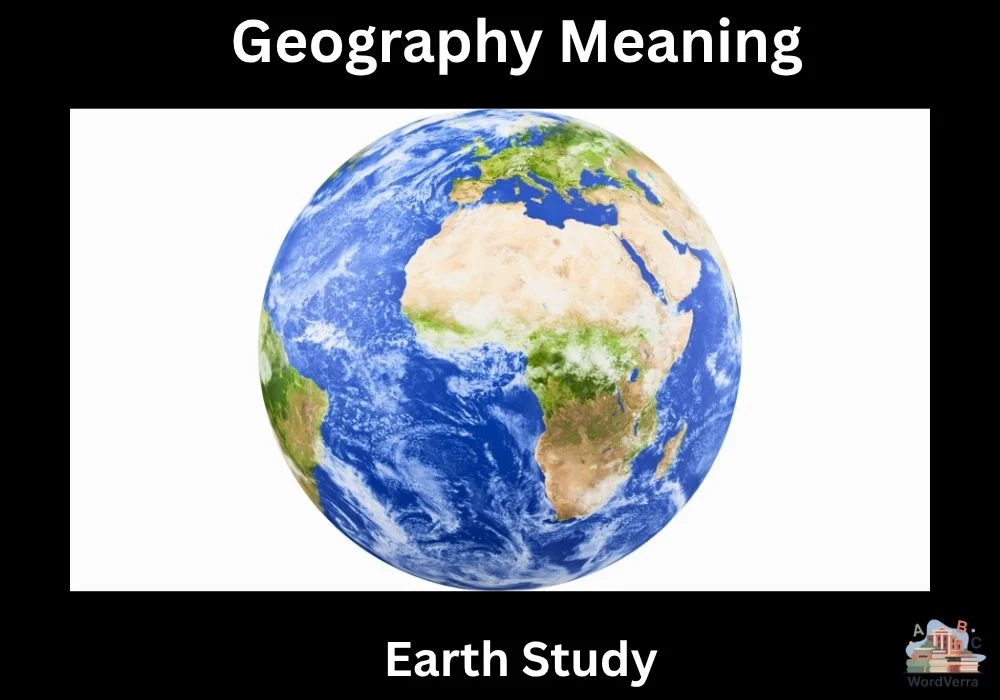
The word geography is commonly associated with maps, countries, and capitals, but its meaning goes far beyond memorizing locations. In today’s interconnected world, understanding geography meaning helps explain how people, places, and environments interact with each other.
From climate patterns to population movement and from natural landscapes to human settlements, geography plays a crucial role in shaping daily life. This article explains the meaning of geography in clear language, explores how it is used today, and shows why it remains relevant in 2026.
What Is the Meaning of Geography?
In simple terms, geography refers to the study of the Earth and everything on it. This includes land, water, climate, people, and how all these elements are connected.
Geography helps us understand:
- Where places are located
- How environments affect human life
- How humans change their surroundings
It is not just about where things are, but also why they are there and how they influence one another.
Geography Meaning in Simple Words
In everyday language, geography means learning about:
- Different parts of the world
- Natural features like mountains and rivers
- Human activities such as cities, trade, and travel
For example:
“Good knowledge of geography helps in understanding global issues.”
Here, geography refers to general awareness of the world and its physical and human characteristics.
Geography Meaning in Science
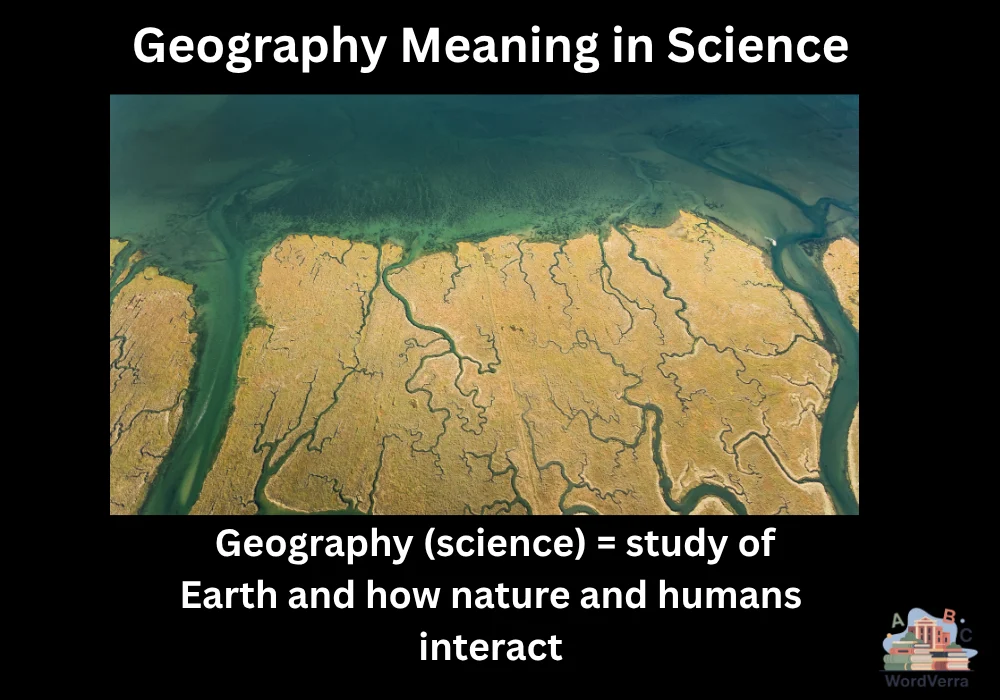
In science, geography is the study of the Earth, its features, and the relationships between humans and the environment.
👉 It is considered a part of Earth Science
What It Includes:
- Landforms (mountains, rivers, deserts)
- Climate and weather patterns
- Natural resources
- Ecosystems and environment
Types in Science:
- Physical geography → focuses on natural features
- Human geography → focuses on human activities and their impact
Simple Meaning:
👉 Geography (science) = study of Earth and how nature and humans interact
Geography Meaning in History
In history, geography refers to how location, environment, and physical features influence past events and civilizations.
What It Focuses On:
- How rivers helped civilizations grow
- How mountains or deserts acted as barriers
- Trade routes and exploration paths
- Settlement patterns of ancient people
Example:
- Civilizations like those near rivers developed faster because of water and fertile land
Simple Meaning:
👉 Geography (history) = how land and environment shaped historical events and human development
Geography Meaning as a Field of Study
As an academic subject, geography focuses on analyzing patterns and relationships across the Earth. It combines knowledge from science, social studies, and environmental studies.
It looks at:
- Natural landscapes and landforms
- Weather and climate systems
- Population distribution
- Cultural and economic activities
This makes geography a bridge between natural sciences and social sciences.
Physical and Human Aspects of Geography
Geography covers both natural and human-related elements.
The natural side examines:
- Mountains, plains, oceans, and deserts
- Climate zones and weather patterns
- Natural resources and ecosystems
The human side focuses on:
- Population growth and migration
- Urban development
- Economic activities and transportation
Together, these aspects explain how humans and nature influence each other.
Geography Meaning in Daily Life
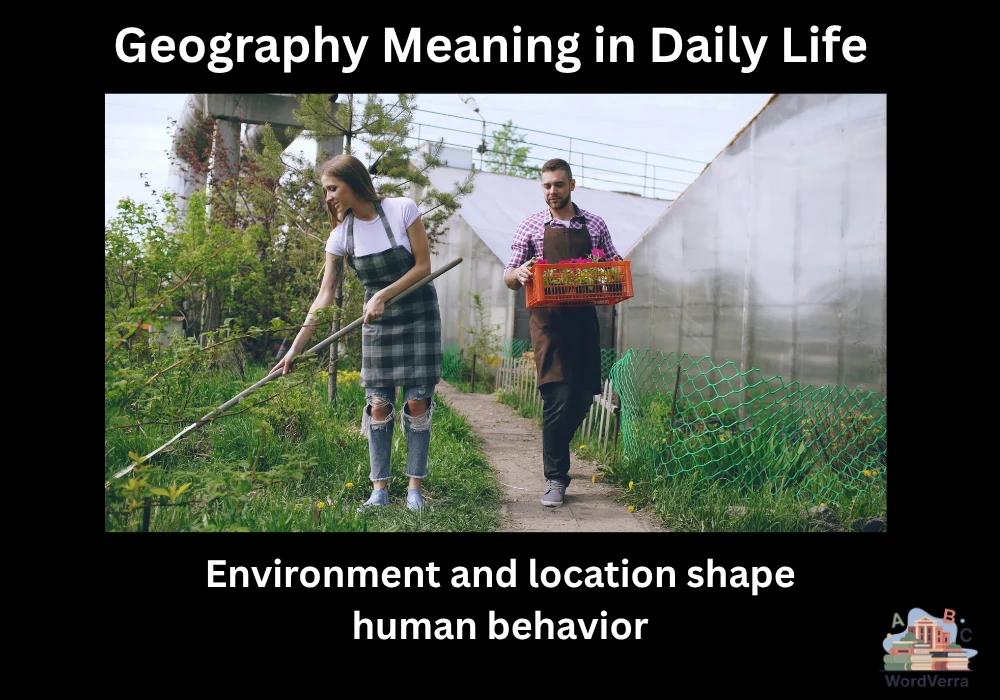
Even outside classrooms, geography affects everyday decisions. It helps people understand:
- Why some areas experience extreme weather
- How location influences culture and lifestyle
- Why certain regions are rich in resources
For instance:
“Geography plays a role in determining local food habits.”
Here, geography explains how environment and location shape human behavior.
Geography Meaning in Modern Times (2026)
In 2026, geography is more relevant than ever due to global challenges such as climate change, urbanization, and international trade. Modern geography uses advanced tools like satellite imagery and digital mapping to study the planet in detail.
It helps governments and organizations:
- Plan sustainable cities
- Manage natural resources
- Respond to environmental risks
Geography today is both traditional and technology-driven.
Why Geography Is Important
Understanding geography allows people to:
- Make sense of global events
- Respect cultural diversity
- Understand environmental challenges
It builds awareness about how actions in one place can affect people in another. This global perspective is essential in a connected world.
Geography Meaning in Education
In education, geography develops:
- Critical thinking skills
- Spatial awareness
- Environmental responsibility
Students learn to analyze maps, interpret data, and understand relationships between places and people.
Example:
“Geography encourages students to think globally and act responsibly.”
Common Misunderstandings About Geography
A common mistake is thinking geography is only about memorizing facts. In reality, it is about understanding systems and connections.
Another misunderstanding is assuming geography is outdated. On the contrary, it is central to solving modern issues such as climate impact and population growth.
Geography Meaning in One Sentence
To summarize simply:
Geography is the study of the Earth, its features, its people, and the relationships between them.
Final Thoughts
The meaning of geography extends far beyond maps and locations. It explains how the world works and how humans fit into it. In 2026, geography continues to guide decisions about the environment, development, and global cooperation.

Ghumman is a dedicated author at Wordverra, focused on delivering clear, accurate, and high-quality English grammar content for students and learners. With a strong commitment to language clarity and practical learning, Ghumman creates well-researched explanations and examples that make complex grammar rules easy to understand. The goal is to help readers build a solid foundation in English and use the language confidently in academic and everyday settings.