
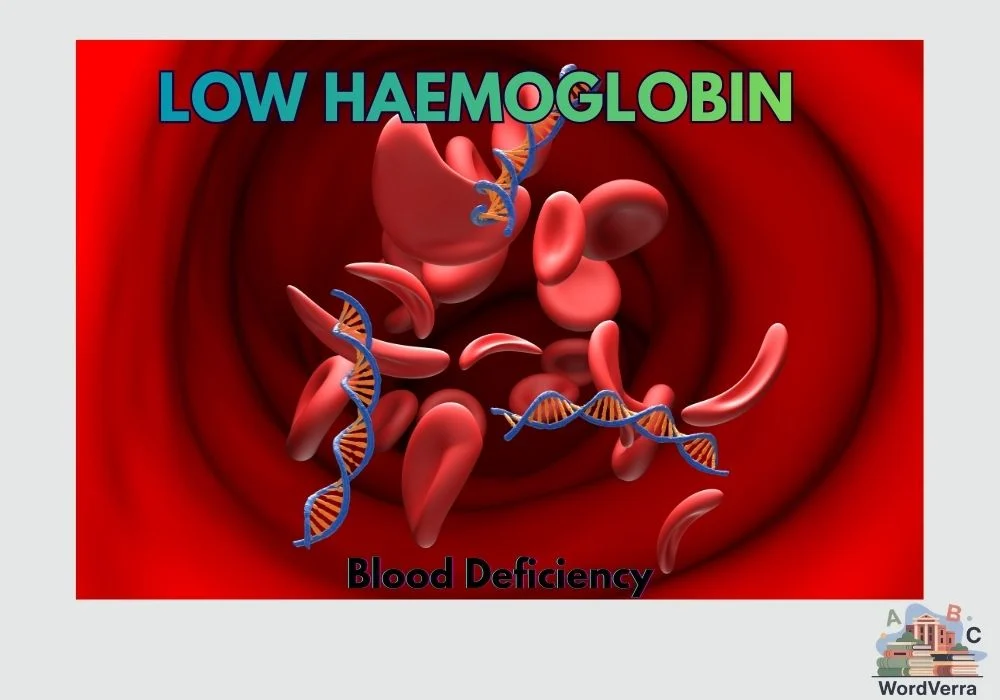
Low haemoglobin is a medical condition that affects many people worldwide. Understanding low haemoglobin meaning is crucial because haemoglobin plays a vital role in transporting oxygen throughout the body. Early awareness can help prevent serious health complications.
This article explains the meaning of low haemoglobin, its causes, symptoms, treatment options, and preventive measures, fully updated for 2026.
What Does Low Haemoglobin Mean? (Simple Definition)
Low hemoglobin means:
A lower than normal level of haemoglobin in the blood, which reduces the blood’s ability to carry oxygen.
Haemoglobin is an iron-containing protein in red blood cells responsible for transporting oxygen from the lungs to body tissues.
Normal haemoglobin levels:
- Men: 13.8–17.2 g/dL
- Women: 12.1–15.1 g/dL
- Children: 11–16 g/dL
- Pregnant women: 11–12 g/dL
When haemoglobin falls below these ranges, it can cause fatigue, weakness, and other symptoms.
Causes of Low Haemoglobin
Several factors can lead to low hemoglobin levels, including:
- Iron deficiency: Most common cause, often due to poor diet or blood loss
- Vitamin deficiency: Lack of vitamin B12 or folate
- Chronic diseases: Kidney disease, cancer, or inflammatory disorders
- Blood loss: Heavy menstruation, surgery, or internal bleeding
- Genetic disorders: Sickle cell anemia, thalassemia
- Bone marrow problems: Affecting red blood cell production
Example:
“A person with iron-deficiency anaemia often has low haemoglobin due to insufficient iron intake.”
Symptoms of Low Haemoglobin
Signs and symptoms vary depending on severity. Common symptoms include:
- Fatigue and weakness
- Pale skin and nails
- Shortness of breath
- Dizziness or lightheadedness
- Rapid or irregular heartbeat
- Cold hands and feet
- Headaches
Example:
“After weeks of feeling unusually tired, she discovered she had low hemoglobin.”
Severe cases may require immediate medical attention.
Diagnosis of Low Haemoglobin
Low haemoglobin is diagnosed through a blood test called a complete blood count (CBC). Doctors may also check:
- Red blood cell count
- Hematocrit levels
- Iron, vitamin B12, and folate levels
- Reticulocyte count (young red blood cells)
Early diagnosis is crucial for preventing complications like heart problems or organ damage.
Treatment for Low Hemoglobin
Treatment depends on the cause:
- Iron supplements: For iron-deficiency anemia
- Vitamin B12 or folate supplements: For vitamin deficiencies
- Dietary changes: Eating iron-rich foods like spinach, red meat, lentils, and fortified cereals
- Medications: Stimulate red blood cell production in certain conditions
- Treating underlying conditions: Such as chronic kidney disease or bleeding disorders
- Blood transfusions: In severe cases
Lifestyle tips:
- Eat iron-rich foods with vitamin C for better absorption
- Avoid excessive tea or coffee with meals, which can reduce iron absorption
- Regular check-ups for people at risk
Common Misunderstandings About Low Haemoglobin
Mistake 1: Confusing Low Haemoglobin with Low Iron
- While iron deficiency is a common cause, low haemoglobin can also result from vitamin deficiencies or chronic diseases.
Mistake 2: Assuming Mild Symptoms Are Harmless
- Even mild fatigue or pallor can indicate low haemoglobin. Early detection is important.
Mistake 3: Ignoring Underlying Conditions
- Low haemoglobin may signal serious health problems that require medical attention.
Preventing Low Haemoglobin
- Maintain a balanced diet with iron, B12, and folate
- Stay hydrated and exercise regularly
- Monitor haemoglobin levels during pregnancy or chronic illness
- Avoid excessive blood loss without medical support
Low Haemoglobin Meaning in Simple Words (Quick Reminder)
Low haemoglobin means your blood has less haemoglobin than normal, reducing oxygen transport and causing fatigue or other symptoms.
Conclusion
To summarize:
- Low haemoglobin indicates a deficiency in the blood’s oxygen-carrying capacity
- Causes include iron deficiency, vitamin deficiency, chronic diseases, and blood loss
- Symptoms range from fatigue to dizziness and shortness of breath
- Diagnosis through blood tests and treatment based on cause can improve health significantly

Ghumman is a dedicated author at Wordverra, focused on delivering clear, accurate, and high-quality English grammar content for students and learners. With a strong commitment to language clarity and practical learning, Ghumman creates well-researched explanations and examples that make complex grammar rules easy to understand. The goal is to help readers build a solid foundation in English and use the language confidently in academic and everyday settings.