The word volare often captures attention because of its poetic sound and emotional depth. Many people search for volare meaning after hearing it in music, quotes, or foreign-language conversations. While it may seem simple at first, the term carries rich linguistic and cultural significance.
This article explains the meaning of volare, its origin, how it is used today, and why it continues to resonate across languages and cultures.
What Does Volare Mean?
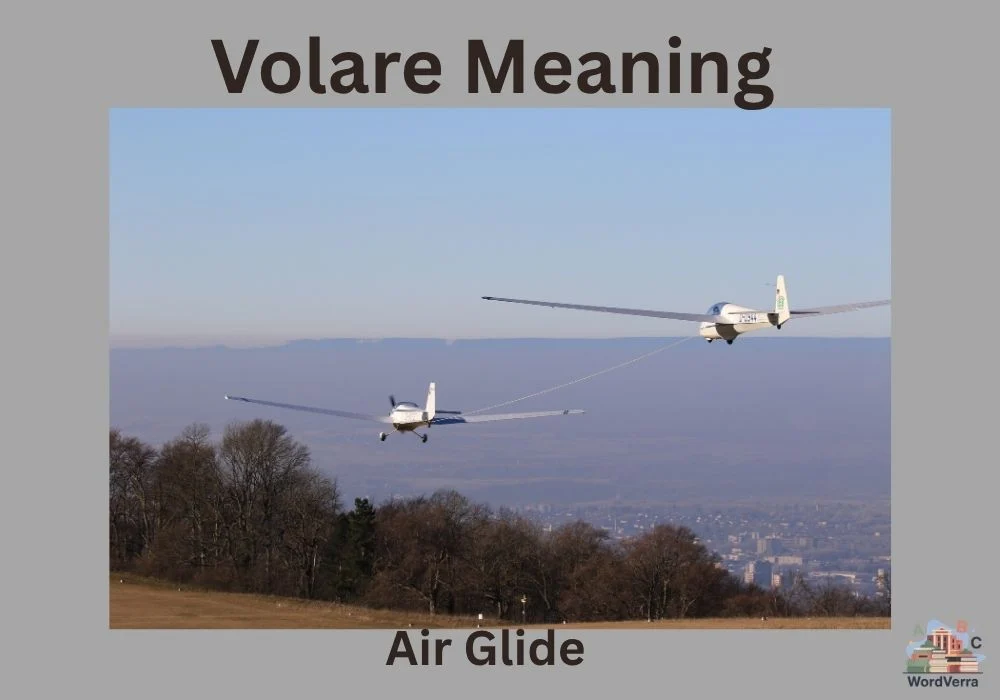
Volare is an Italian verb that literally means “to fly.”
In its most basic sense, it refers to the physical act of flying, such as birds flying through the sky or airplanes taking off.
However, beyond the literal definition, volare is often used metaphorically to express:
- Freedom
- Dreams and aspirations
- Emotional uplift
- Escaping limitations
Because of this symbolic depth, the word is frequently associated with music, poetry, and inspirational language.
Origin and Linguistic Background
The word volare comes from theItalian language and traces its roots back to Latin, where similar forms were used to describe flight and movement through the air.
In Italian grammar:
- Volare is an infinitive verb
- It can be conjugated depending on tense and subject
- It is commonly used in both spoken and written Italian
Over time, the word crossed linguistic boundaries and became familiar to non-Italian speakers, especially through popular culture.
Volare in Popular Culture
One of the main reasons people recognize the word volare is its strong presence in global entertainment. The term became internationally famous through:
- Iconic Italian songs
- Romantic movie soundtracks
- Travel and lifestyle branding
In these contexts, volare often represents a feeling of joy, escape, or rising above everyday struggles rather than actual flight.
Metaphorical Meaning of Volare
In modern usage, volare is commonly used in a symbolic way. It may describe:
- Personal growth
- Success and ambition
- Emotional release
- A sense of limitless possibility
For example, someone might say they feel like they can volare when they achieve a major goal or experience happiness after a difficult period.
This metaphorical interpretation is one of the reasons the word remains timeless and emotionally powerful.
Volare Meaning in English Context
In English conversations, volare is usually not translated directly. Instead, it is kept in its original form to preserve its emotional tone. English speakers often use it to add:
- A romantic or artistic feel
- A sense of elegance
- Cultural flair
Rather than simply saying “fly,” using volare can make a phrase feel more expressive and imaginative.
Common Situations Where Volare Is Used
You may come across volare in:
- Inspirational quotes
- Song lyrics
- Tattoos or artwork
- Travel-related writing
- Motivational speeches
In all these cases, the word emphasizes movement, freedom, and emotional elevation rather than just physical flight.
Why the Word Volare Is So Popular
The lasting appeal of volare comes from its:
- Simple yet powerful meaning
- Emotional and symbolic flexibility
- Connection to art, music, and dreams
- Universal theme of freedom
Even people who do not speak Italian often understand the feeling the word conveys.
Conclusion
To summarize, volare meaning goes far beyond its literal translation. While it simply means “to fly” in Italian, its deeper use reflects freedom, hope, ambition, and emotional release. Whether heard in music, seen in art, or used metaphorically in conversation, volare continues to inspire people across cultures.
Understanding the meaning of volare allows you to appreciate not just the word itself, but the powerful emotions it represents.

Ghumman is a dedicated author at Wordverra, focused on delivering clear, accurate, and high-quality English grammar content for students and learners. With a strong commitment to language clarity and practical learning, Ghumman creates well-researched explanations and examples that make complex grammar rules easy to understand. The goal is to help readers build a solid foundation in English and use the language confidently in academic and everyday settings.