
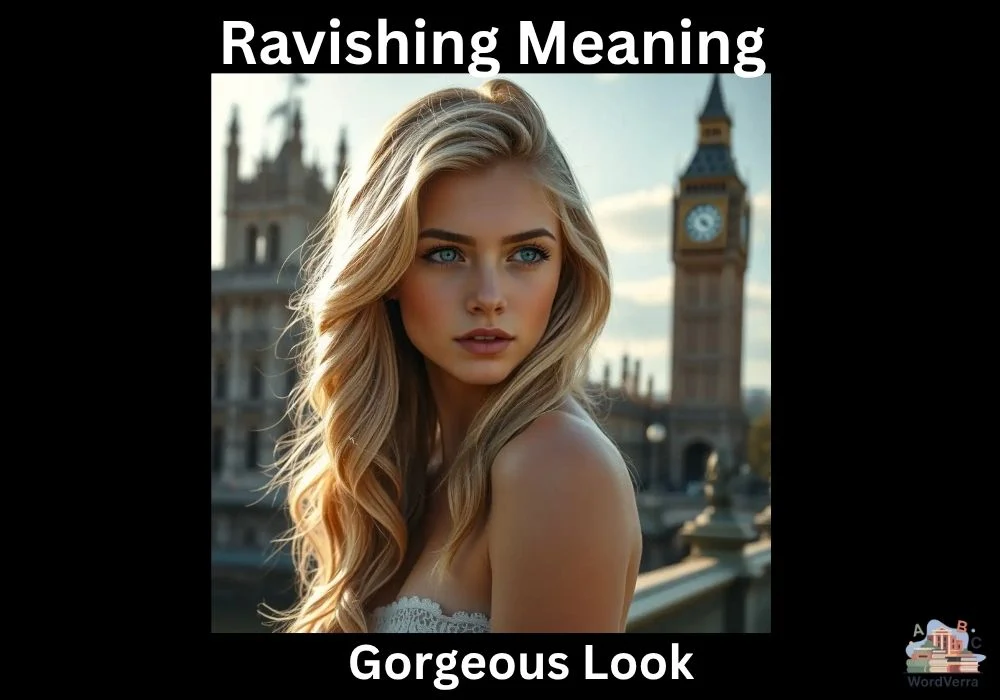
The word ravishing is often used to describe beauty, charm, or something that captivates attention. Whether in literature, everyday conversation, or social media, understanding ravishing meaning helps you express admiration effectively and enrich your vocabulary.
This article explores ravishing meaning, its origin, how to use it, examples in modern English, and common mistakes—updated for 2026.
What Does Ravishing Mean?
In simple terms, ravishing means:
Extremely beautiful, attractive, or delightful; something that captures attention or admiration.
It is often used to describe:
- People
- Fashion
- Scenery
- Experiences
Example:
“She looked absolutely ravishing in her evening gown.”
Here, the word emphasizes captivating beauty or charm.
Ravishing Meaning in Simple Words
Simply put, ravishing means:
- Gorgeous
- Stunning
- Delightfully attractive
Example:
“The sunset over the mountains was truly ravishing.”
This highlights intense visual or emotional appeal.
Origin of the Word Ravishing
- Derived from the Middle English word ravishen, meaning “to seize or carry away”
- Historically, it implied being overwhelmed by beauty or delight
- Entered English usage in the 16th century, often in poetry and literature
The origin shows its connection to captivating allure and emotional impact.
Ravishing Meaning in Literature and Media
In literature, film, and media, ravishing is used to:
- Describe a character’s beauty or charm
- Highlight extraordinary visual appeal
- Evoke strong admiration in the audience
Example:
“The heroine’s ravishing smile enchanted everyone at the ball.”
It conveys strong emotional or aesthetic effect.
Ravishing Meaning in Everyday Conversation
In daily life, ravishing can describe:
- Fashion or style
- Natural scenery
- Delicious food or experiences
Example:
“Her ravishing outfit caught the attention of everyone at the party.”
It is often used for praise or compliment.
Ravishing Meaning in Figurative Use
Beyond physical beauty, ravishing can describe:
- Delightful experiences
- Exceptional performances
- Emotional impact
Example:
“The concert was ravishing, leaving the audience in awe.”
Here, it emphasizes intense delight or admiration rather than appearance.
How to Use Ravishing in Sentences
To Compliment Someone
“You look absolutely ravishing tonight.”
To Describe Scenery
“The garden in spring is ravishing.”
Figuratively
“Her performance was ravishing, earning a standing ovation.”
Common Mistakes When Using Ravishing
Mistake 1: Using It Casually With Little Impact
- Ravishing is strong praise; using it for minor things may feel exaggerated.
Incorrect:
“The sandwich was ravishing.” ❌
Better:
“The gourmet meal was ravishing.” ✔️
Mistake 2: Confusing Ravishing With Just Pretty
- Pretty is mild; ravishing is intense and captivating.
Mistake 3: Overusing in Writing
- Using ravishing too often can reduce its impact. Reserve it for emphasis.
Ravishing Meaning in Modern Context (2026)
In 2026, ravishing is commonly used in:
- Fashion and lifestyle blogs
- Social media captions and comments
- Travel and food reviews
- Literature, film, and entertainment discussions
Example:
“The influencer’s ravishing style trends are dominating social media feeds.”
It remains a popular word for praise and admiration.
Ravishing Meaning: Quick Summary
- Ravishing means extremely beautiful, attractive, or delightful
- Used in literature, media, and everyday conversation
- Can describe people, experiences, performances, or scenery
- Best used for strong praise or admiration

Ghumman is a dedicated author at Wordverra, focused on delivering clear, accurate, and high-quality English grammar content for students and learners. With a strong commitment to language clarity and practical learning, Ghumman creates well-researched explanations and examples that make complex grammar rules easy to understand. The goal is to help readers build a solid foundation in English and use the language confidently in academic and everyday settings.