
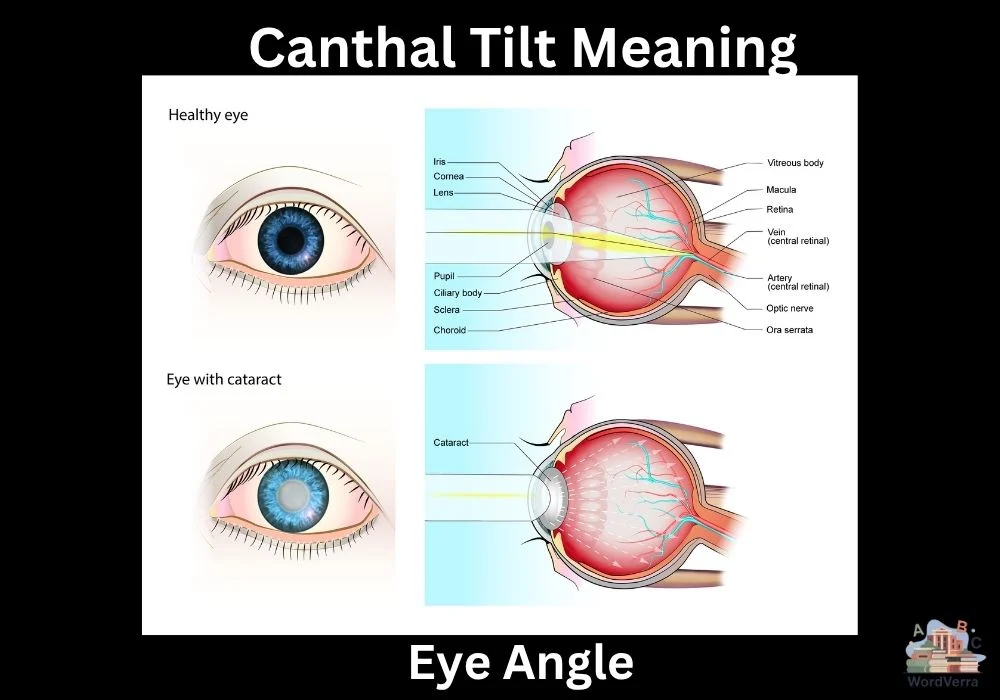
The term canthal tilt is increasingly discussed in beauty, cosmetic surgery, and facial aesthetics communities. Whether you’ve seen it mentioned in social media posts, skincare discussions, or professional consultations, understanding canthal tilt meaning is essential for anyone interested in facial symmetry, eye shapes, and appearance enhancement.
This article provides a comprehensive guide on canthal tilt meaning, its relevance in aesthetics, how it affects perception, and examples of positive and negative tilt in 2026 contexts.
What Does Canthal Tilt Mean?
In simple terms, canthal tilt refers to:
The angle formed between the inner and outer corners of the eyes (canthi), determining whether the outer corner is higher or lower than the inner corner.
It is a key feature in assessing facial attractiveness and symmetry.
Example:
“A positive canthal tilt, where the outer corner of the eye is slightly higher, is often considered youthful and attractive.”
Canthal Tilt Meaning in Simple Words
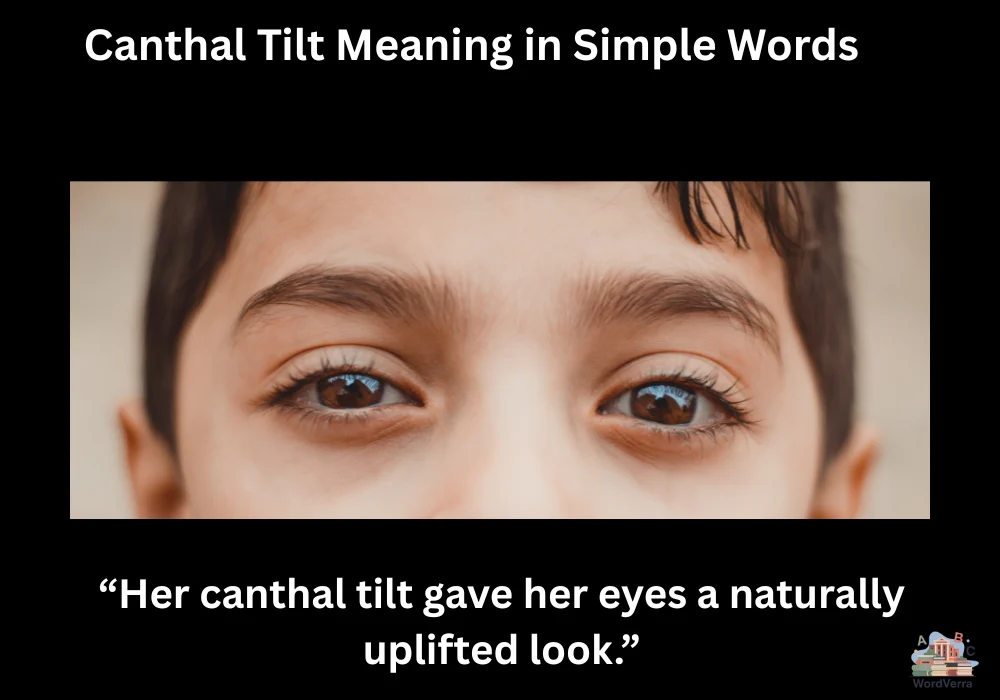
Put simply, canthal tilt is:
- The slope of the eyes
- How the eyes angle relative to the horizontal plane
- A factor influencing appearance of youthfulness and expressiveness
Example:
“Her canthal tilt gave her eyes a naturally uplifted look.”
This demonstrates its role in both anatomy and aesthetics.
Anatomy of Canthal Tilt
- Medial Canthus: Inner corner of the eye
- Lateral Canthus: Outer corner of the eye
- Canthal Tilt Angle: Measured by drawing an imaginary horizontal line through the medial canthus and observing the position of the lateral canthus
Types of Canthal Tilt
- Positive Canthal Tilt: Outer corner higher than inner corner (considered aesthetically favorable)
- Neutral Canthal Tilt: Outer and inner corners are level
- Negative Canthal Tilt: Outer corner lower than inner corner (may appear tired or less alert)
Canthal Tilt Meaning in Facial Aesthetics
In beauty and cosmetic contexts, canthal tilt affects:
- Perceived attractiveness
- Facial harmony
- Youthfulness and alertness
Example:
“Cosmetic surgeons sometimes recommend subtle adjustments to enhance canthal tilt.”
Positive tilt is associated with:
- Friendly and approachable appearance
- Youthful and energetic look
Negative tilt may convey:
- Fatigue
- Sadness or aging
Canthal Tilt Eyes
Canthal tilt refers to the angle between the inner corner and outer corner of the eyes.
Types:
Positive canthal tilt
- Outer corner of the eye is higher than the inner corner
- Often associated with an alert or youthful appearance
Neutral canthal tilt
- Inner and outer corners are at about the same level
Negative canthal tilt
- Outer corner is lower than the inner corner
- Can create a tired or sad appearance
Canthal Tilt AI
Canthal Tilt AI usually refers to AI tools that analyze a face photo and estimate whether the eye shape has a positive, neutral, or negative canthal tilt.
What AI Does:
- Detects facial landmarks
- Measures the eye-corner angle
- Estimates the tilt category
Important:
⚠️ AI estimates are not always accurate because results can be affected by:
- Head position
- Camera angle
- Facial expression
- Lighting
- Image quality
Canthal Tilt Meaning in Modern Context (2026)
In 2026, canthal tilt is commonly discussed in:
- Facial aesthetic analysis
- Cosmetic consultations and non-surgical procedures
- Social media beauty trends and filters
Example:
“Filters that slightly enhance canthal tilt are popular for creating a more lifted and attractive eye appearance.”
The word has expanded from clinical use to popular beauty vocabulary.
How to Use Canthal Tilt in Sentences
Medical or Cosmetic Context
“The surgeon evaluated her canthal tilt before performing eyelid surgery.”
Everyday Beauty Discussion
“A slight positive canthal tilt can make your eyes look more open and expressive.”
Figurative or Analytical Use
“Artists consider canthal tilt when drawing realistic and appealing faces.”
Common Misunderstandings About Canthal Tilt
1: Confusing It With Eye Shape
- Eye shape (almond, round, monolid) is different from canthal tilt, which is the eye’s slope.
2: Thinking Only Surgery Can Change It
- Non-surgical techniques, makeup, and filters can enhance perceived tilt.
3: Assuming Negative Tilt Is Always Unattractive
- Negative tilt can be stylish or unique in art, photography, and personal appearance.
Canthal Tilt Meaning in Quick Summary
- Canthal tilt is the slope of the eyes determined by the inner and outer corners
- Positive tilt is associated with youthfulness and attractiveness
- Neutral or negative tilt affects perception of tiredness or age
- Relevant in aesthetics, cosmetic procedures, art, and beauty discussions
Understanding canthal tilt meaning helps individuals, artists, and professionals make informed decisions about facial aesthetics.

Ghumman is a dedicated author at Wordverra, focused on delivering clear, accurate, and high-quality English grammar content for students and learners. With a strong commitment to language clarity and practical learning, Ghumman creates well-researched explanations and examples that make complex grammar rules easy to understand. The goal is to help readers build a solid foundation in English and use the language confidently in academic and everyday settings.