The word thread is one of those versatile English terms that appears everywhere—from clothing and sewing to social media, online forums, and everyday conversation. Because it’s used in so many different ways, understanding thread meaning is essential for clear communication in both real life and digital spaces.
In this article, we’ll break down thread meaning in simple language, explore how it’s used across different contexts, give real-life examples, and explain common misunderstandings. This guide is fully updated for 2026 and optimized for search intent.
What Does Thread Mean?
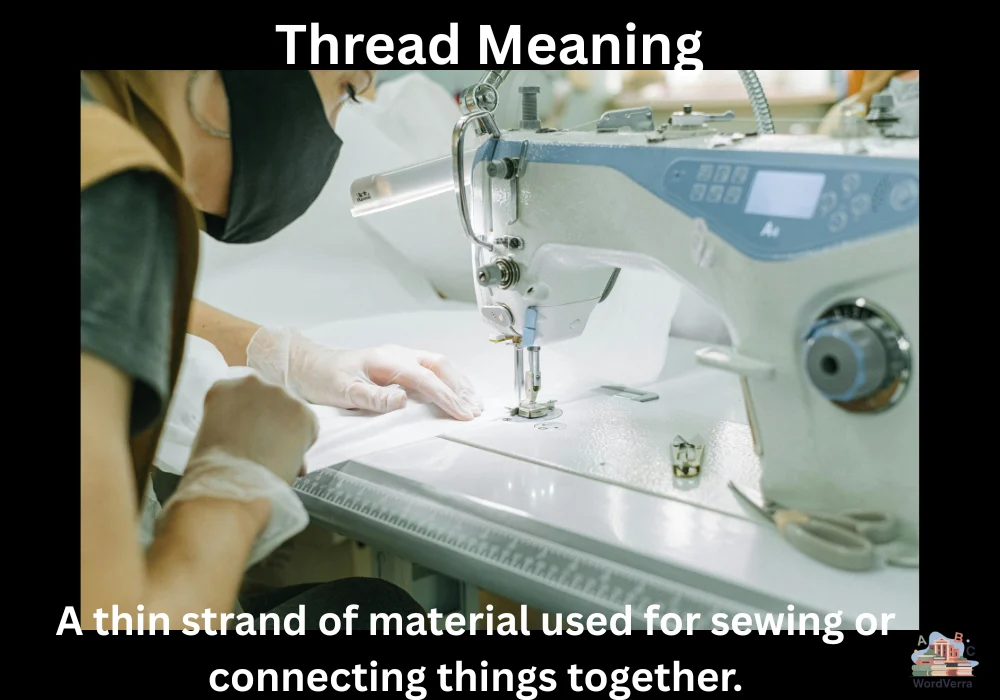
At its most basic level, thread refers to:
A thin strand of material used for sewing or connecting things together.
Example:
“She used a needle and thread to fix the button.”
However, over time, the meaning of thread has expanded far beyond its original physical sense.
Thread Meaning in Simple Words
In simple terms, thread can mean:
- A thin string or fiber
- A sequence of connected messages
- A continuing idea or theme
Example:
“There’s a common thread running through his arguments.”
Here, thread means a shared idea or connection.
Thread Meaning in Sewing and Textiles
Traditionally, thread is:
- A thin strand of cotton, silk, or synthetic fiber
- Used for stitching clothes or fabrics
Example:
“The dress was held together by a single thread.”
This usage is literal and physical, and it’s where the word originally comes from.
Thread Meaning in Online Conversations
In modern digital spaces, thread refers to:
- A series of related messages or comments
- A connected discussion under one topic
Example:
“I followed the entire thread to understand the debate.”
You’ll commonly see this usage on:
- Social media platforms
- Online forums
- Comment sections
- Messaging apps
Thread Meaning in Social Media (2026 Usage)
In 2026, thread is heavily associated with:
- Long-form posts broken into parts
- Replies connected to a single topic
- Storytelling or explanations across multiple messages
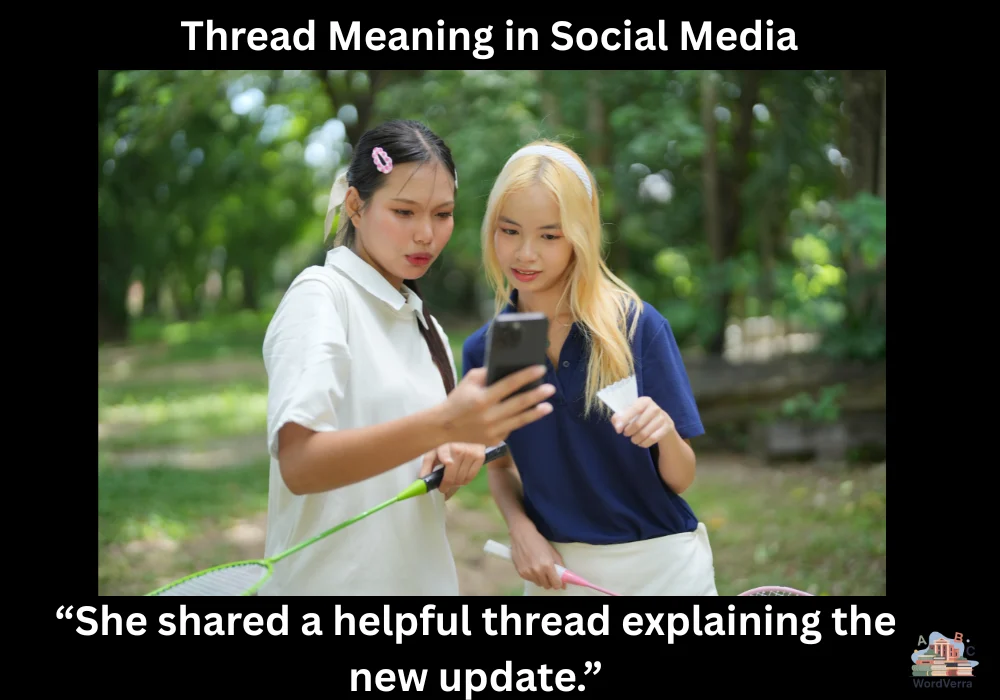
Example:
“She shared a helpful thread explaining the new update.”
Threads are often used to:
- Educate
- Share opinions
- Tell stories
- Break down complex ideas
Thread Meaning in Computer
In computing, a thread is:
👉 the smallest unit of execution within a program or process
How It Works:
- A program can have one or multiple threads 🖥️
- Multiple threads allow tasks to run at the same time (multitasking)
- Helps improve performance and responsiveness
Example:
- A web browser may use separate threads for loading pages, playing videos, and handling user input.
👉 Simple Meaning:
Thread (computer) = a task or sequence of instructions running inside a program
Thread Meaning in Business
In business, thread can refer to:
👉 a connected series of messages, discussions, or communications
Common Uses:
- Email thread 📧
- Discussion thread in workplace apps
- Social media conversation thread
Example:
- Please check the email thread for the latest updates.
Thread Meaning in Figurative Language
Figuratively, thread represents:
- A connection between ideas
- A unifying theme
- Something holding things together
Example:
“Hope was the thread that kept them going.”
This meaning is common in writing, speeches, and literature.
Thread Meaning in Technology
In computing and programming, thread can mean:
- A sequence of instructions
- A process running within a program
Example:
“The application runs multiple threads at once.”
While technical, this usage still carries the idea of continuity and connection.
Common Expressions Using Thread
The word appears in many familiar expressions:
- “Hanging by a thread”
- “Lose the thread”
- “Pick up the thread”
Example:
“I lost the thread of the conversation.”
Here, thread refers to the main idea or flow.
How to Use Thread Correctly in Sentences
Physical Use
“The tailor chose a strong thread.”
Online Use
“That comment started a long thread.”
Abstract Use
“Trust was the thread binding the team together.”
Using the correct context helps avoid confusion.
Common Mistakes When Using Thread
Mistake 1: Confusing Thread with Single Message
A thread usually involves multiple connected messages, not just one.
Incorrect:
“I posted a thread.” (when it’s one message)
Correct:
“I posted a thread with several replies.”
Mistake 2: Overusing It in Formal Writing
In very formal writing, thread may sound informal unless used metaphorically or carefully.
Mistake 3: Mixing Literal and Figurative Meanings
Be clear whether you’re talking about material thread or idea-based thread.
Thread Meaning in Everyday Conversation
People often use thread casually to describe:
- Conversations
- Storylines
- Ongoing discussions
Example:
“Let’s get back to the original thread.”
This usage is especially common in meetings and group chats.
Why Thread Is Still Relevant in 2026
The word thread remains important because:
- Online communication dominates daily life
- Discussions often happen across multiple replies
- The idea of connection is central to language
Its flexibility makes it useful in both traditional and digital communication.
Thread Meaning: Quick Summary
To sum it up:
- Thread can be literal, digital, or figurative
- It refers to connection, continuity, or linkage
- It’s widely used in sewing, conversations, and online platforms
- Context determines its exact meaning
Understanding thread meaning helps you communicate more clearly in both spoken and written English.
Conclusion
The word thread may seem simple, but it carries powerful meanings—from holding fabric together to connecting ideas and conversations online. In 2026, as digital discussions continue to grow, understanding how thread is used has become more important than ever.
Whether you’re sewing a button, following an online debate, or describing a shared idea, thread helps express connection and continuity.

Ghumman is a dedicated author at Wordverra, focused on delivering clear, accurate, and high-quality English grammar content for students and learners. With a strong commitment to language clarity and practical learning, Ghumman creates well-researched explanations and examples that make complex grammar rules easy to understand. The goal is to help readers build a solid foundation in English and use the language confidently in academic and everyday settings.