
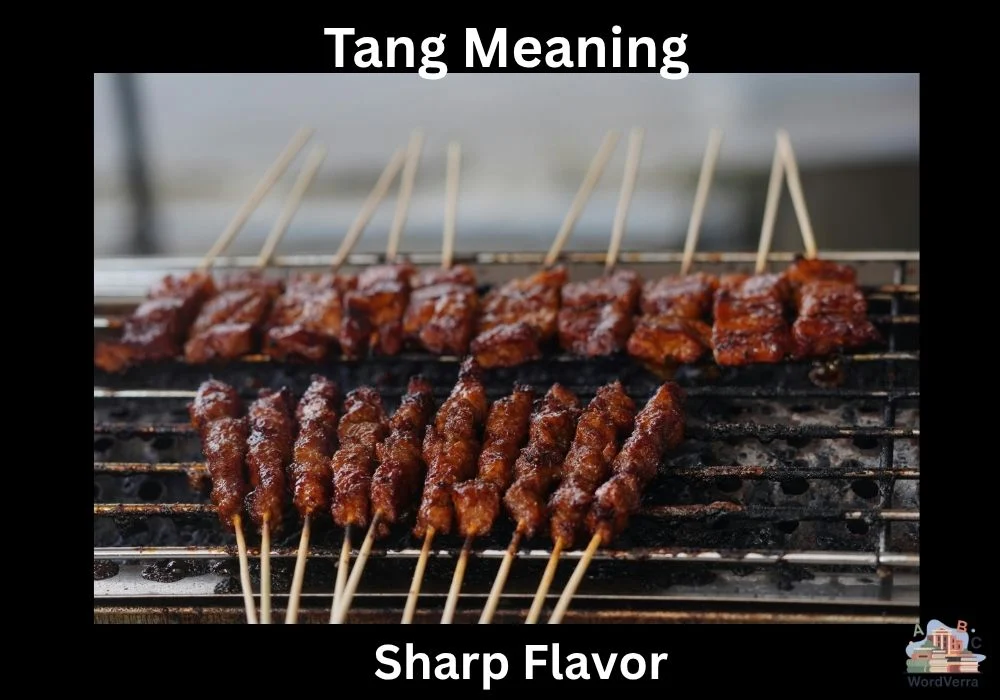
The word tang may seem simple, but it actually carries several different meanings depending on the context. You might hear it used to describe a sharp taste, a distinct smell, or even a metallic part of a tool. Understanding tang meaning helps you interpret conversations, food descriptions, product details, and even technical language more accurately.
In this article, we’ll break down tang meaning in clear, everyday language, explore its different uses, share real-life examples, and explain common misunderstandings—fully updated for 2026.
What Does Tang Mean? (Simple Definition)
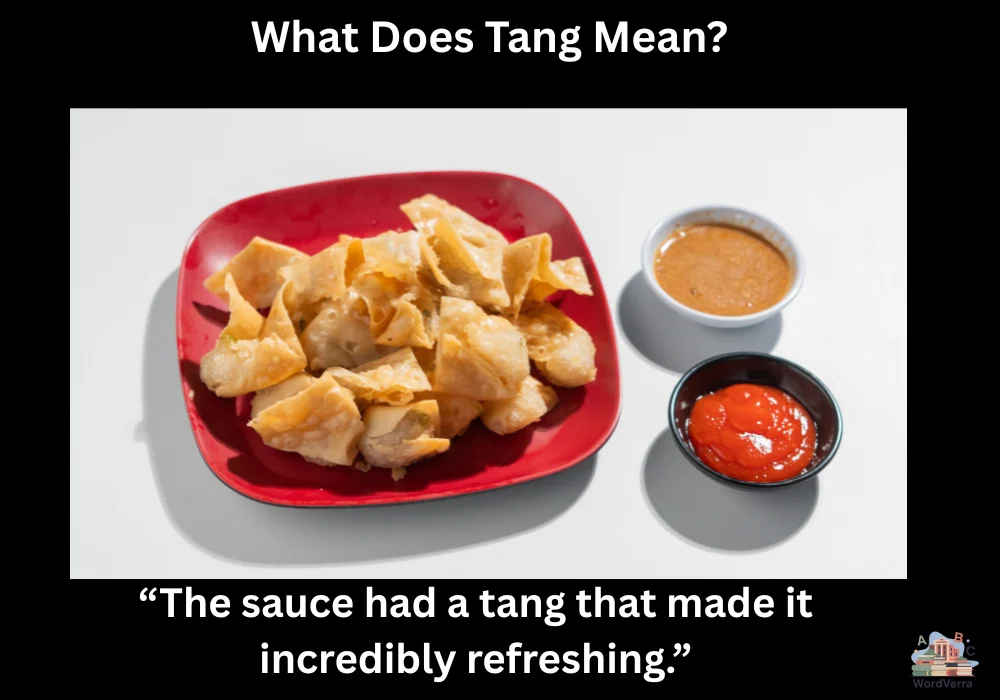
In general terms, tang refers to:
A strong, sharp, or distinctive taste, smell, or quality.
It can also mean:
- A noticeable flavor sensation
- A distinctive quality that stands out
- A specific part of a tool or object
Example:
“The sauce had a tang that made it incredibly refreshing.”
Here, tang describes a pleasant sharpness in taste.
Tang Meaning in Taste and Food

The most common use of tang is related to flavor. In food, it usually describes a sharp, slightly sour, or zesty taste.
Examples:
- Citrus fruits have a natural tang
- Yogurt often has a tangy flavor
- Vinegar adds tang to salad dressings
Sentence example:
“The lemon added a bright tang to the dish.”
This usage is very common in food reviews and recipes.
Tang Meaning in Smell or Sensation
Tang can also describe a sharp or noticeable smell, often in the air.
Examples:
- The tang of smoke
- The tang of salt in sea air
- The tang of metal
Example sentence:
“There was a tang of smoke after the fire.”
This meaning highlights a strong sensory presence.
Tang Meaning as a Distinctive Quality
Sometimes, tang is used more figuratively to describe a noticeable character or edge in something abstract.
Examples:
- A conversation with emotional tang
- A speech with political tang
Sentence example:
“Her writing has a sharp tang that keeps readers engaged.”
Here, tang suggests intensity or impact, not taste.
Tang Meaning in Tools and Objects
In technical or mechanical contexts, tang refers to a projecting part of a tool, especially in knives or blades.
Examples:
- The tang of a knife extends into the handle
- A strong tang improves tool balance
Sentence example:
“The knife has a full tang for added strength.”
This meaning is common in craftsmanship and manufacturing discussions.
Tang Meaning in Chinese
Tang (唐) is most commonly associated with:
👉 Tang Dynasty, one of the greatest dynasties in Chinese history (618–907 CE).
Other Meanings:
- Tang can also be a Chinese surname.
- Different Chinese characters pronounced “Tang” can have different meanings.
👉 Simple Meaning:
Tang (Chinese) = often refers to the Tang Dynasty or a Chinese family name
Tang Meaning (Fish)
A tang is:
👉 a tropical marine fish 🐟
Characteristics:
- Brightly colored
- Found in coral reefs
- Popular in saltwater aquariums
Example:
- The Blue Tang is the fish character Dory from the movie Finding Nemo.
👉 Simple Meaning:
Tang (fish) = a colorful tropical saltwater fish
Tang Meaning (Drink)
Tang is a powdered drink mix.
👉 It is mixed with water to make a fruit-flavored beverage 🍊
Popular Flavors:
- Orange
- Mango
- Lemon and others
History:
The drink became well known after being associated with the U.S. space program.
How to Use Tang Correctly in Sentences
Food Context
- “The soup has a pleasant tang from the tomatoes.”
Smell or Environment
- “The air carried a salty tang from the ocean.”
Abstract Quality
- “The debate had a bitter tang of rivalry.”
Technical Use
- “A full tang makes the blade more durable.”
Common Misunderstandings About Tang Meaning
Mistake 1: Assuming Tang Only Refers to Taste
- Tang can also refer to smell, atmosphere, or structure.
Mistake 2: Thinking Tang Is Always Negative
- Tang can be pleasant or unpleasant, depending on context.
Example:
“A fresh citrus tang” (positive)
“A harsh chemical tang” (negative)
Mistake 3: Confusing Tang With Spice
- Tang is sharp or zesty, not necessarily spicy or hot.
Tang Meaning in Modern Context (2026)
In 2026, tang is commonly used in:
- Food blogs and cooking videos
- Product reviews, especially knives and tools
- Creative writing and reviews
Example from social media:
“This drink has a fruity tang that hits just right 🍋”
The word remains popular because it vividly describes sensory experiences.
Tang Meaning in Simple Words (Quick Reminder)
Tang means a sharp, noticeable taste, smell, or quality, or a projecting part of a tool.
Conclusion
To sum up:
- Tang can describe taste, smell, atmosphere, or physical structure
- It is commonly used in food, sensory descriptions, and technical contexts
- The meaning depends heavily on how and where it is used
- Understanding tang meaning helps you better describe experiences and products

Ghumman is a dedicated author at Wordverra, focused on delivering clear, accurate, and high-quality English grammar content for students and learners. With a strong commitment to language clarity and practical learning, Ghumman creates well-researched explanations and examples that make complex grammar rules easy to understand. The goal is to help readers build a solid foundation in English and use the language confidently in academic and everyday settings.