
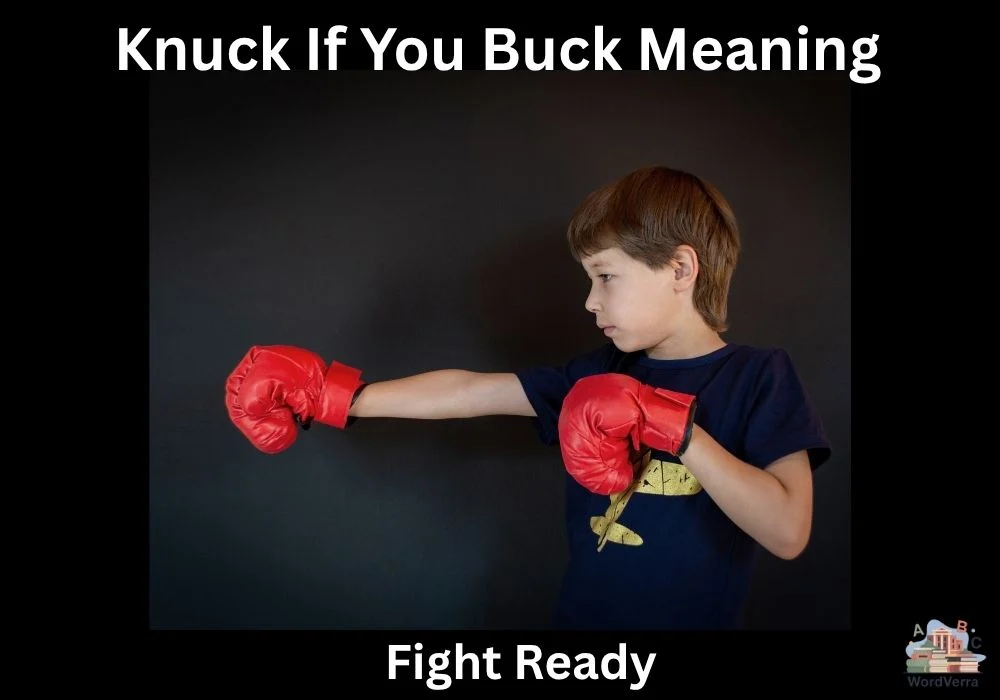
The phrase “knuck if you buck” has become popular in hip-hop culture, social media, and casual conversations. If you’ve heard it in songs, memes, or videos, understanding knuck if you buck meaning will help you interpret the phrase accurately and use it in context without misunderstanding.
This article explains the meaning, origin, and cultural usage of knuck if you buck, provides examples, and clarifies common mistakes, updated for 2026.
What Does Knuck If You Buck Mean? (Simple Definition)
Knuck if you buck is a slang phrase that roughly means:
“Fight back if you resist” or “show aggression if provoked.”
In casual terms:
- Knuck → short for knuckles (fists)
- Buck → act aggressively or resist authority
The phrase is often used to hype up a fight, assert dominance, or express confidence in a confrontational situation.
Example:
“He walked into the argument ready to knuck if you buck.”
Here, it implies readiness to defend oneself or retaliate if challenged.
Origin of Knuck If You Buck
The phrase originated in hip-hop culture, popularized by the song:
- “Knuck If You Buck” by Crime Mob (2004)
- The song belongs to the crunk subgenre of hip-hop, known for aggressive energy and club-ready beats
The term has since spread to social media, street slang, and pop culture, often used metaphorically to express confidence or assertiveness.
Knuck If You Buck Meaning in Modern Slang
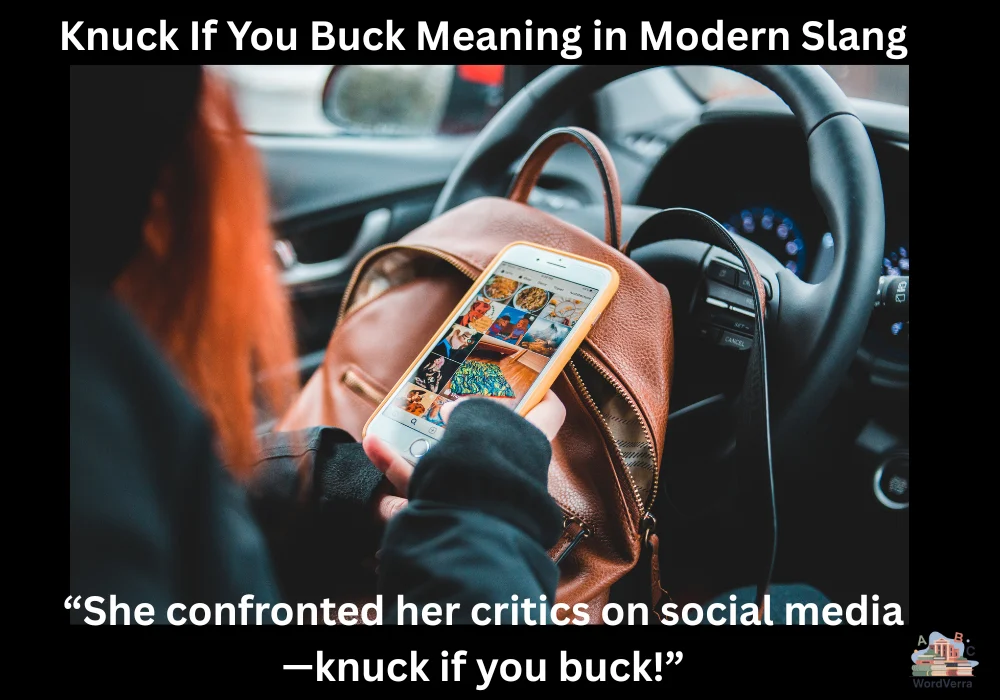
In 2026, knuck if you buck is not always literal. It can mean:
- Standing up for yourself in conflicts
- Showing boldness or fearlessness
- Metaphorically, taking action when challenged
Example:
“She confronted her critics on social media—knuck if you buck!”
In this context, it’s about assertiveness rather than a physical fight.
Knuck If You Buck Meaning (Urban Dictionary Style)
👉 “Knuck if you buck” is slang that means:
“If you’re ready to fight, then let’s fight.” 🥊
Breakdown:
- Knuck = punch / fight (slang from “knuckle up”)
- Buck = act aggressively or go crazy
Urban meaning:
👉 A challenge or warning:
“If you want problems, I’m ready.”
Knuck If You Buck Meaning Origin
👉 The phrase became popular from the 2000s Southern U.S. hip-hop culture.
Key Source:
- The song “Knuck If You Buck” by Crime Mob 🎵
Cultural Origin:
- Atlanta rap scene
- Used in clubs and street slang
- Represents aggressive “ready-to-fight” energy
👉 Simple Meaning:
Origin = Southern rap slang meaning “ready to fight anytime”
Knuck If You Buck Meme Meaning

In memes and internet culture:
👉 “Knuck if you buck” is used humorously to show fake toughness or exaggerated anger 😂
Meme Usage:
- Funny reactions
- Over-the-top fighting attitude
- Sarcastic “I’m ready” energy
Example:
- Someone bumps into you in a game → “knuck if you buck 😤”
How to Use Knuck If You Buck in Sentences
Literal Usage
Refers to physical confrontation.
“He told them to back off and was ready to knuck if you buck.”
Figurative Usage
Refers to assertive behavior in social or professional settings.
“If anyone tries to undermine you, remember to knuck if you buck.”
Cultural Impact of Knuck If You Buck
The phrase has permeated:
- Music: Hip-hop lyrics and rap battles
- Social media: Memes, videos, and captions
- Fashion: T-shirts, hoodies, and merchandise
- Pop culture: Movies, video games, and street slang
It symbolizes confidence, resilience, and readiness to defend oneself.
Common Misunderstandings About Knuck If You Buck Meaning
Mistake 1: Taking It Literally in Every Situation
- Often used metaphorically in 2025
- Not every mention implies physical violence
Mistake 2: Assuming Only Young People Use It
- While popular among younger audiences, it’s recognized widely in media and culture
Mistake 3: Mispronunciation or Miswriting
- Correct: “Knuck if you buck”
- Variations like “Knuck if ya buck” exist in song lyrics or memes, but the meaning is the same
Knuck If You Buck in Hip-Hop and Music
The phrase represents the energy and ethos of crunk and Southern hip-hop:
- Encourages self-confidence
- Promotes standing your ground
- Engages listeners with bold, aggressive lyricism
Example:
“The track’s chorus, ‘Knuck if you buck,’ became an anthem for empowerment in the streets and clubs.”
Knuck If You Buck Meaning in Everyday Conversation
Beyond music, people use it to express:
- Readiness to act
- Boldness in challenging situations
- Metaphorical fighting spirit
Example:
“She walked into the debate room, knuck if you buck attitude on full display.”
Summary of Knuck If You Buck Meaning
To summarize:
- Knuck if you buck means to fight back or act boldly if challenged
- Originated in hip-hop culture, popularized by Crime Mob
- Today, it’s used literally in fights or metaphorically for confidence
- Understanding the phrase helps in music, social media, and informal communication

Ghumman is a dedicated author at Wordverra, focused on delivering clear, accurate, and high-quality English grammar content for students and learners. With a strong commitment to language clarity and practical learning, Ghumman creates well-researched explanations and examples that make complex grammar rules easy to understand. The goal is to help readers build a solid foundation in English and use the language confidently in academic and everyday settings.