
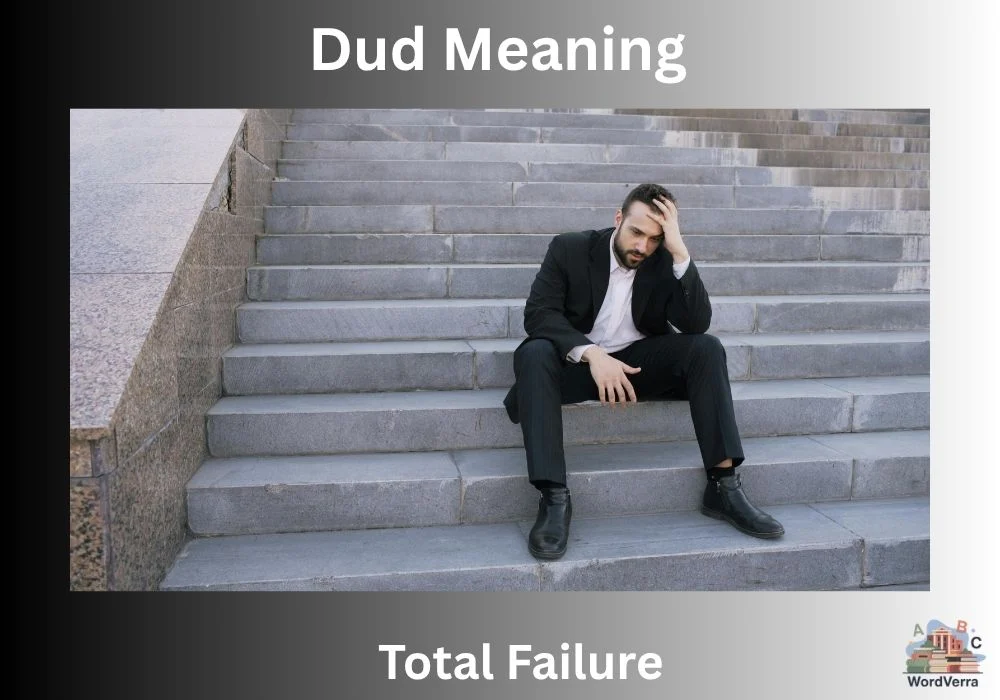
The word dud is a popular term in English, used in casual conversation, media, and even business contexts. You might hear someone say, “That movie was a dud” or “The firework was a dud”, but what does it actually mean?
Understanding dud meaning is important because it helps you:
- Understand informal speech and slang
- Express disappointment or failure effectively
- Recognize how the term is used in different contexts
This article explains dud meaning, its origin, different uses, examples, and common mistakes, updated for 2026.
What Does Dud Mean? (Simple Definition)
In simple terms, a dud is:
Something that fails to work properly or does not meet expectations.
It is often used informally to describe:
- Objects that malfunction
- Events that are disappointing
- People who fail to meet expectations
Example:
“The new phone was a dud; it stopped working after a week.”
Here, it clearly conveys failure or ineffectiveness.
Origin of the Word Dud
The word dud comes from the late 17th century, originally meaning:
- Clothing that is worn out or tattered
- Later evolved to mean something worthless or ineffective
The modern informal use applies broadly to failures or disappointments in objects, events, or performance.
Dud Meaning in Everyday Conversation
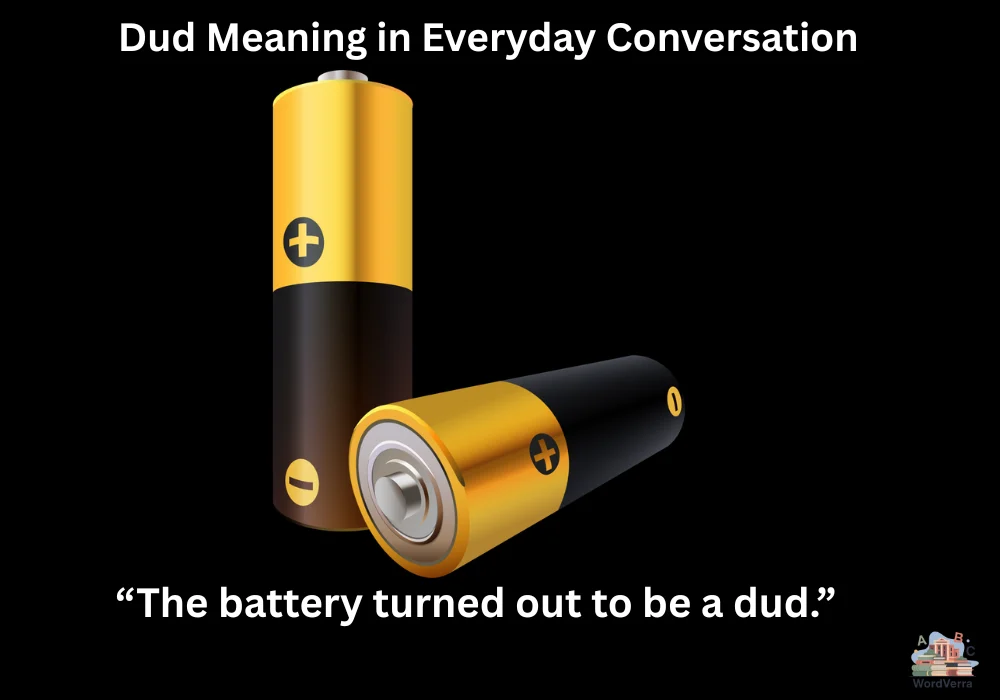
People often use dud casually to describe:
- A failed experience
- A malfunctioning object
- A person who underperforms
Examples:
- “The party was a dud; no one showed up.”
- “The battery turned out to be a dud.”
- “He was a dud in the match; couldn’t score at all.”
It’s a quick and informal way to express dissatisfaction.
Dud Meaning in Movies, Games, and Entertainment
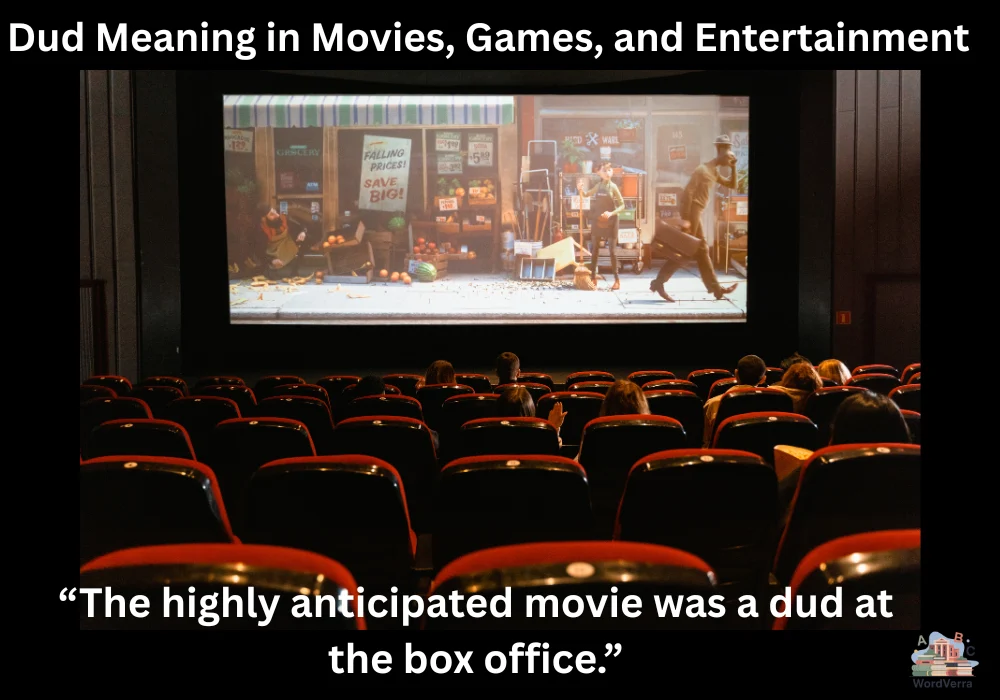
In entertainment, dud often refers to:
- Films, shows, or games that fail to impress
- Products that do not meet expectations
Example:
“The highly anticipated movie was a dud at the box office.”
This usage is common in reviews and social media commentary.
Dud Meaning in Military or Technical Context
In technical or military contexts, a dud is an explosive device that fails to detonate.
Example:
“The bomb was a dud, so no one was hurt.”
This is the literal sense of the word and is less common in casual conversation.
Dud Meaning in Poker
In poker and card games, a “dud” means:
👉 a weak, useless, or low-value card or hand 🃏
Example:
- He got a dud hand and lost the round.
Pitch a Dud Meaning
The phrase “pitch a dud” means:
👉 to present or throw something unsuccessful, disappointing, or ineffective
Possible Uses:
- A failed idea
- A bad performance
- Something that doesn’t work as expected
Example:
- The company pitched a dud product that nobody wanted.
Duds App Meaning
“Duds” can refer to different mobile apps depending on context.
Most Common Meaning:
👉 “Duds” often relates to:
- Fashion or clothing apps 👕
- Outfit-sharing apps
- Shopping or style platforms
Dud as a Person
Sometimes, people describe others as:
- Someone who is unexciting or ineffective
- Someone who fails to deliver on expectations
Example:
“He was a dud at the party — didn’t talk to anyone or contribute to the fun.”
It’s usually informal and slightly humorous or critical.
How to Use Dud in Sentences
Objects or Products
- “The laptop I bought turned out to be a dud.”
Events
- “The concert was a dud; the sound system failed.”
People
- “He tried to impress everyone, but he was a dud.”
Common Misunderstandings About Dud Meaning
1: Confusing Dud With Dangerous
- A dud can be safe (like a firework that fails), not always dangerous.
2: Using Dud Formally
- Dud is informal and works best in casual speech or writing.
3: Assuming Dud Means Small
- Dud does not refer to size; it refers to failure or ineffectiveness.
Dud Meaning in Modern Context (2026)
In 2026, the word dud remains relevant in:
- Tech discussions: Gadgets or apps that fail
- Entertainment: Movies, shows, or games that disappoint
- Everyday language: Expressing frustration or humor
Example in social media:
“Tried the new coffee shop — total dud. ☕😅”
Its informal, relatable tone makes it a popular expression for disappointment.
Dud Meaning in Simple Words (Quick Reminder)
A dud is something or someone that doesn’t work, fails, or disappoints.
Conclusion
- Dud describes failure or disappointment in objects, events, or people
- It originated from the idea of worn-out clothing and evolved into a general term for ineffectiveness
- Commonly used in casual speech, entertainment, and even technical contexts
- Understanding dud meaning helps you express dissatisfaction clearly and informally

Ghumman is a dedicated author at Wordverra, focused on delivering clear, accurate, and high-quality English grammar content for students and learners. With a strong commitment to language clarity and practical learning, Ghumman creates well-researched explanations and examples that make complex grammar rules easy to understand. The goal is to help readers build a solid foundation in English and use the language confidently in academic and everyday settings.