
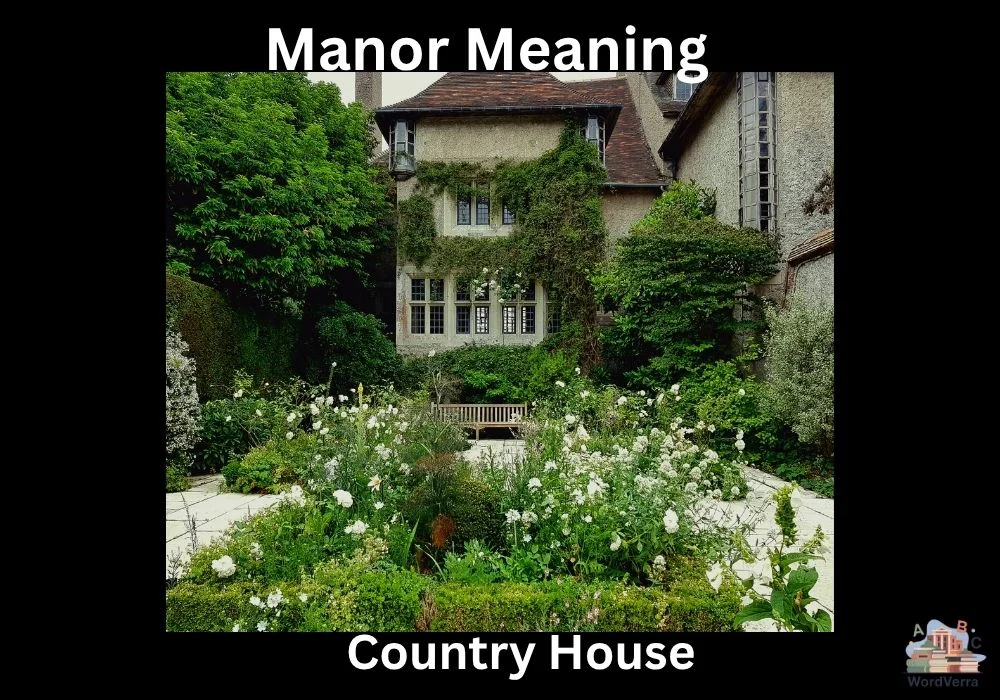
The word manor is often used in literature, historical discussions, and real estate contexts. From old English castles to modern estates, understanding manor meaning can help you grasp both historical and contemporary references.
Knowing the meaning of manor is important because it allows you to:
- Understand historical and literary texts accurately
- Identify property types in real estate or architecture
- Appreciate cultural and historical contexts
This article explains manor meaning, its origin, types, modern use, and provides practical examples to help you understand and use the term correctly in 2026.
What Does Manor Mean? (Simple Definition)
In simple terms, a manor is:
A large house or estate, often with lands, historically owned by a noble or lord.
Key points:
- Typically associated with wealth and prestige
- Includes surrounding lands or property
- Historically tied to feudal systems
Example sentence:
“The lord of the manor welcomed visitors to his estate.”
Origin and History of the Word Manor
The word manor comes from Old French ‘manoir’, meaning “dwelling” or “residence.” It was widely used in medieval England. Manors were part of the feudal system, where a lord controlled land and tenants worked it.
Historically, a manor included:
- A large house or hall
- Farmlands
- Villages and cottages
- Mills, churches, and other resources
Types of Manors
Medieval Manor
- Central hall or mansion
- Surrounded by farmland and tenant houses
- Operated under feudal laws
Country Manor
- Large residential estate in rural areas
- Often used today for private homes, hotels, or event venues
Modern Manor
- Can refer to luxurious homes or estates
- Sometimes used in real estate marketing to denote elegance
Manor Meaning in History
In history, a manor was:
👉 a large estate or land owned by a lord in the medieval system
Key Features:
- Part of the feudal system 🏰
- Included:
- The lord’s big house (manor house)
- Farmland worked by peasants or serfs
- The lord controlled the land and people living on it
Example:
- Villagers worked on the manor and paid rent or services to the lord
👉 Simple Meaning:
Manor (history) = a lord’s land and estate in medieval times
Manor Meaning in English
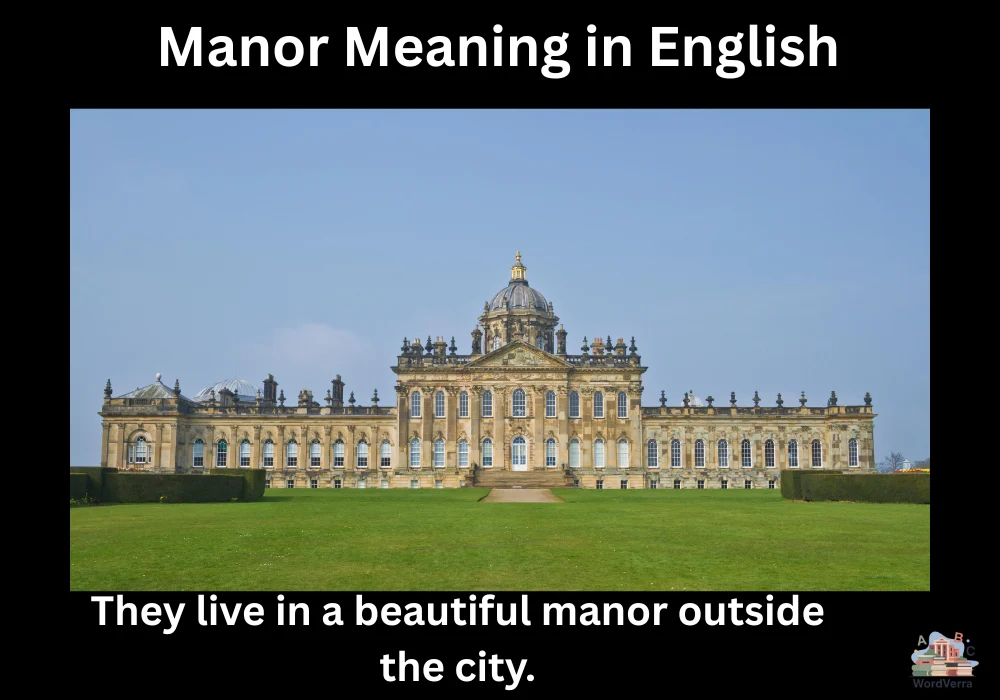
In general English, “manor” means:
👉 a large country house with land around it
Usage:
- Often refers to a luxurious or historic home
- Common in countryside settings
Example:
- They live in a beautiful manor outside the city.
Manor Meaning in Literature
In literature, manors are often symbolic:
- Wealth and status
- Power or influence
- Historical or romantic settings
Examples:
- “Pride and Prejudice” by Jane Austen features grand manors as central settings
- Gothic novels often depict old, mysterious manors
Manor Meaning in Real Estate Today
In modern real estate, a manor can refer to:
- Large luxurious homes
- Estates with land or gardens
- Properties emphasizing elegance and heritage
Example:
“The real estate listing described a six-bedroom manor with a private lake.”
Manor Meaning in Everyday Conversation
People sometimes use manor figuratively to describe:
- A person’s residence in a grand style
- Historical or elegant ambiance
Example:
“He lives in a manor with beautiful gardens.”
Common Misunderstandings About Manor
Mistake 1: Thinking All Manors Are Castles
While some manors resemble castles, not all are fortified. Manors are more about residence and estate than defense.
Mistake 2: Confusing Manor With Mansion
A mansion emphasizes luxury, while a manor also carries historical or land-associated significance.
Mistake 3: Assuming Manor Is Only Historical
Many modern homes are marketed as manors for prestige, even without feudal history.
How to Use Manor Correctly in a Sentence
Correct examples:
- “The old manor had a beautiful stone façade.”
- “They attended a wedding at a countryside manor.”
- “The manor’s gardens were meticulously maintained.”
Incorrect example:
- “I rented a small manor in the city center.” ❌
(A manor typically refers to a large estate, not a small apartment or house.)
Why Understanding Manor Meaning Matters in 2026
In 2026, the word manor remains relevant for:
- Real estate descriptions
- Literature and media references
- Historical and educational contexts
Knowing the meaning ensures clarity when reading texts, browsing listings, or discussing cultural history.
Manor Meaning in Simple Words (Quick Reminder)
A manor is a large house or estate, historically associated with lords, often including lands and surrounding property.
Final Summary
To summarize:
- Manors are large houses or estates historically linked to nobility
- They played a key role in medieval feudal systems
- Today, manors may refer to luxurious estates or historical properties
- Understanding manor meaning helps in literature, real estate, and cultural discussions

Ghumman is a dedicated author at Wordverra, focused on delivering clear, accurate, and high-quality English grammar content for students and learners. With a strong commitment to language clarity and practical learning, Ghumman creates well-researched explanations and examples that make complex grammar rules easy to understand. The goal is to help readers build a solid foundation in English and use the language confidently in academic and everyday settings.