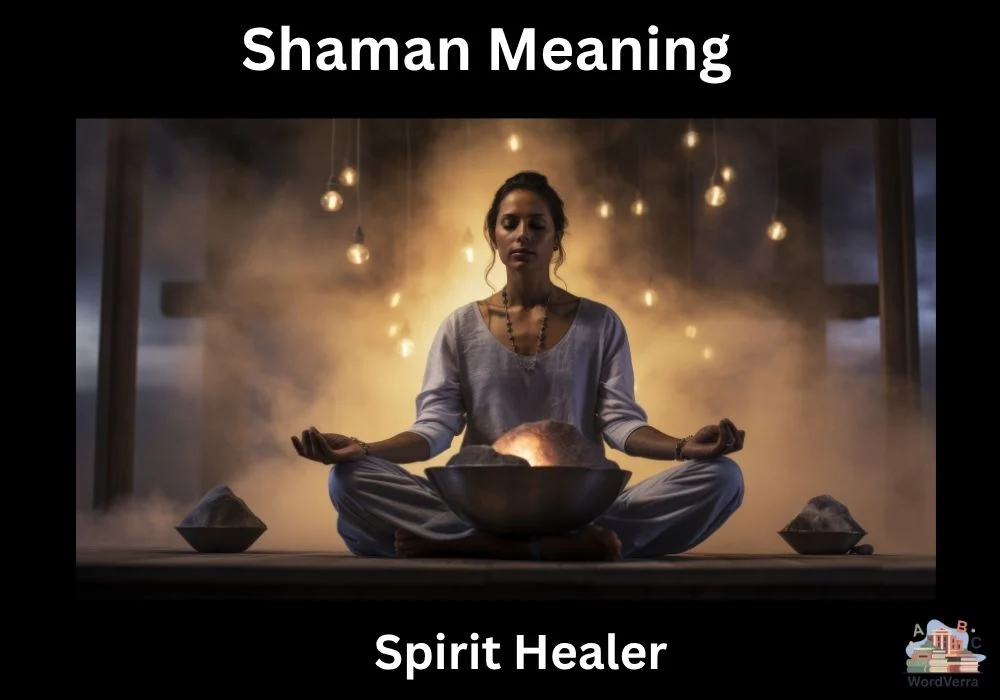
The word shaman often appears in books, online articles, and conversations about spirituality, culture, and healing. Yet, many people are unsure what it truly means or why it matters. Understanding shaman meaning can help you appreciate cultural traditions, spiritual practices, and even modern wellness discussions.
This article explains shaman meaning in simple language, its historical background, modern usage, and real-life examples to make the term clear and relatable in 2026.
What Does Shaman Mean? (Simple Definition)
In simple terms, a shaman is:
A person who acts as an intermediary between the physical world and the spiritual or supernatural realm.
Shamans are often seen as healers, spiritual guides, or ritual leaders in their communities. Their main role is to restore balance, provide guidance, and connect people with spiritual forces.
Origin and History of the Word Shaman

The term shaman comes from the Evenki language of Siberia, originally referring to a spiritual practitioner who communicated with spirits. Over centuries, the word spread globally to describe similar figures in Indigenous cultures, tribal societies, and spiritual traditions.
Historically, shamans have been important in:
- Healing physical and mental ailments
- Conducting rituals for protection or prosperity
- Guiding communities through spiritual teachings
Shaman Meaning in Cultural Context
Shamans appear in many cultures, including:
- Native American tribes – performing healing ceremonies
- Amazonian tribes – using plant-based medicines for spiritual journeys
- Siberian and Mongolian societies – guiding rituals and divination
- African traditional religions – connecting with ancestral spirits
In all cases, a shaman is seen as a bridge between the human and spiritual worlds.
Shaman Meaning in Modern Usage
Today, the term shaman is also used in broader contexts, including:
- New Age and wellness communities
- Spiritual coaching
- Metaphorical language (someone with deep insight or guidance)
Examples:
- “He sees himself as a modern shaman, guiding clients through meditation.”
- “Shamanic practices are being incorporated into wellness retreats.”
In modern usage, the focus often shifts from tribal responsibilities to personal growth and healing practices.
Shaman Meaning (Simple Words)
A shaman is:
👉 a person who is believed to heal people and communicate with spirits or the spiritual world
Simple Explanation:
- Works as a spiritual healer
- Uses rituals, prayers, or traditional practices
- Common in ancient and tribal cultures
👉 Simple Meaning:
Shaman = a spiritual healer or guide
Shaman Meaning in Chinese
In Chinese, shaman is:
👉 萨满 (sàmǎn)
Meaning:
- A traditional spiritual healer or medium
- Someone who connects with spirits, ancestors, or nature forces
👉 Used especially in historical and cultural contexts
Shaman Meaning in Thai
In Thai, shaman is:
👉 หมอผี (mǒo pǐi)
Meaning:
- A spirit healer or witch doctor in traditional beliefs
- Someone who performs rituals to heal or communicate with spirits
Roles and Functions of a Shaman
Shamans typically perform several roles:
- Healer: Using herbs, rituals, or energy work to restore balance.
- Diviner: Interpreting signs, dreams, or visions to provide guidance.
- Mediator: Communicating with spirits or ancestors.
- Teacher: Passing down spiritual knowledge and traditions.
Example:
“The village shaman performed a ritual to heal the sick child.”
Shaman Meaning in Everyday Conversation
In casual conversation, calling someone a shaman can imply:
- Spiritual wisdom
- Insightful guidance
- A mystical or unconventional approach to problem-solving
Example:
- “She’s like a shaman when it comes to understanding people’s emotions.”
Here, it’s often metaphorical, referring to someone wise or spiritually attuned.
Common Misunderstandings About Shamans
Mistake 1: Thinking Shamans Are Sorcerers
Shamans are spiritual guides and healers, not necessarily magicians or witches.
Mistake 2: Equating Shamanism With a Single Religion
Shamanism is a practice, not a religion, and varies widely across cultures.
Mistake 3: Using Shaman Lightly in Pop Culture
While movies or books may dramatize shamans, their real-world role is serious and respected.
Shaman Practices Around the World
Common shamanic practices include:
- Journeying or meditation – to communicate with spirits
- Rituals and ceremonies – for healing or blessings
- Divination – using tools like bones, stones, or drums
- Herbal medicine – natural remedies guided by spiritual knowledge
Example:
“The shaman led a ceremony to bless the harvest.”
Shaman Meaning in Modern Wellness and Spirituality
In 2026, shamans and shamanic practices are gaining popularity in:
- Mindfulness retreats
- Holistic healing workshops
- Spiritual coaching programs
These modern interpretations often emphasize personal healing, meditation, and energy work, while respecting the cultural origins of traditional shamanism.
Quick Summary: Shaman Meaning
- A shaman is a spiritual guide and healer
- Acts as a bridge between humans and the spiritual realm
- Practices vary by culture but often include rituals, healing, and guidance
- Modern use extends to wellness and spiritual coaching
- Metaphorically, it can describe someone with deep insight or intuition
Shaman Meaning in Simple One-Liner
A shaman is a spiritual practitioner who heals, guides, and connects people with the unseen world.
Final Thoughts
Understanding shaman meaning helps you appreciate both traditional and modern spiritual practices. Shamans have played a vital role in cultures worldwide, and today their teachings influence wellness, mindfulness, and personal growth.
Recognizing the seriousness, cultural roots, and spiritual depth of shamanism ensures respectful and accurate use of the term in conversation, writing, and online discussions.

Ghumman is a dedicated author at Wordverra, focused on delivering clear, accurate, and high-quality English grammar content for students and learners. With a strong commitment to language clarity and practical learning, Ghumman creates well-researched explanations and examples that make complex grammar rules easy to understand. The goal is to help readers build a solid foundation in English and use the language confidently in academic and everyday settings.