Understanding the meaning of words is more important than ever in today’s fast-moving digital world—especially when terms like “erosion” appear in schoolwork, news, social media, and even casual conversations.
While it’s not exactly internet slang, the word erosion is widely used in both scientific and everyday contexts, making it essential to understand clearly.
So, what does erosion mean, and how can you use it correctly in real-life conversations, writing, or even online chats? This complete guide will break it down in the simplest way possible, with examples, tips, and modern usage.
What Does “Erosion” Mean? (Definition & Origin)
Basic Definition of Erosion
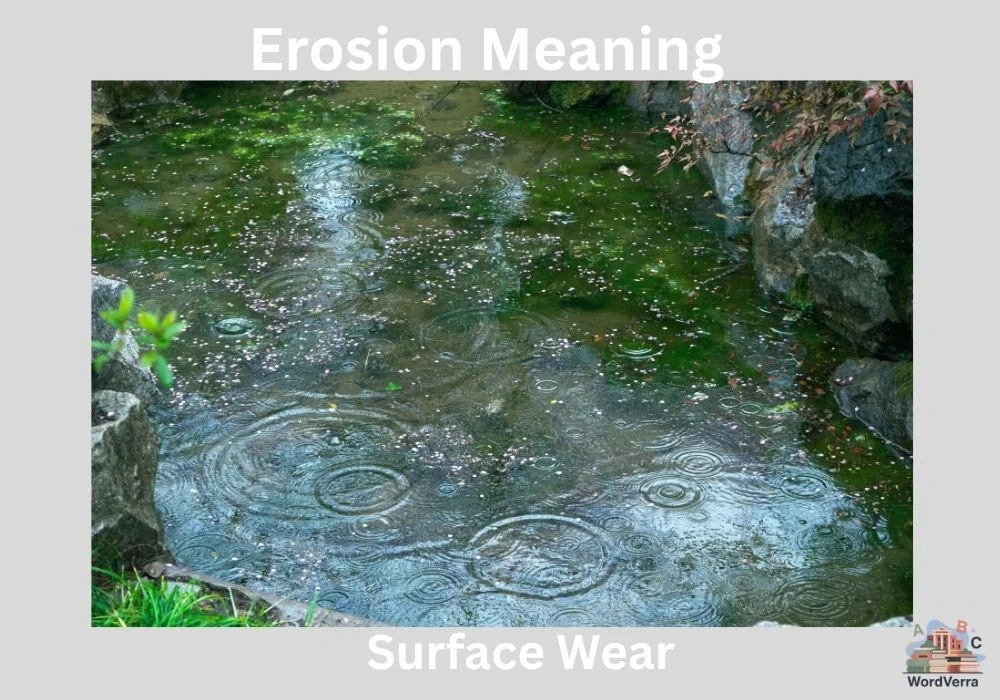
Erosion refers to the process by which natural forces like water, wind, or ice slowly wear away soil, rock, or land over time.
👉 In simple words:
Erosion = Gradual wearing away or loss of something
Origin of the Word “Erosion”
The word comes from the Latin term “erodere”, which means:
- To gnaw away
- To wear down
This origin perfectly explains how erosion works—it’s a slow, continuous process of removal or damage.
Different Types of Erosion
Understanding erosion becomes easier when you know its types:
- Water Erosion – Caused by rain, rivers, or floods
- Wind Erosion – Common in deserts or dry areas
- Glacial Erosion – Caused by moving ice
- Soil Erosion – Loss of topsoil, often due to farming or deforestation
How to Use “Erosion” in Texts or Chat
Even though erosion is a formal word, people still use it in casual chats, social media, and discussions, especially in metaphorical ways.
1. Literal Usage (Scientific or Real Meaning)
Used when talking about nature, geography, or the environment.
👉 Example:
- “Heavy rain is causing soil erosion in our village.”
2. Figurative Usage (Modern & Chat Context)
In modern communication, erosion is often used metaphorically to describe a slow loss of something.
👉 Example:
- “There’s been an erosion of trust between them.”
- “Too much stress leads to mental erosion.”
3. Social Media Context
People use erosion in captions or discussions related to environment or emotions.
👉 Example:
- “Climate change is accelerating coastal erosion 🌍”
- “Slow erosion of friendships hurts more than fights.”
Erosion Meaning in Geography
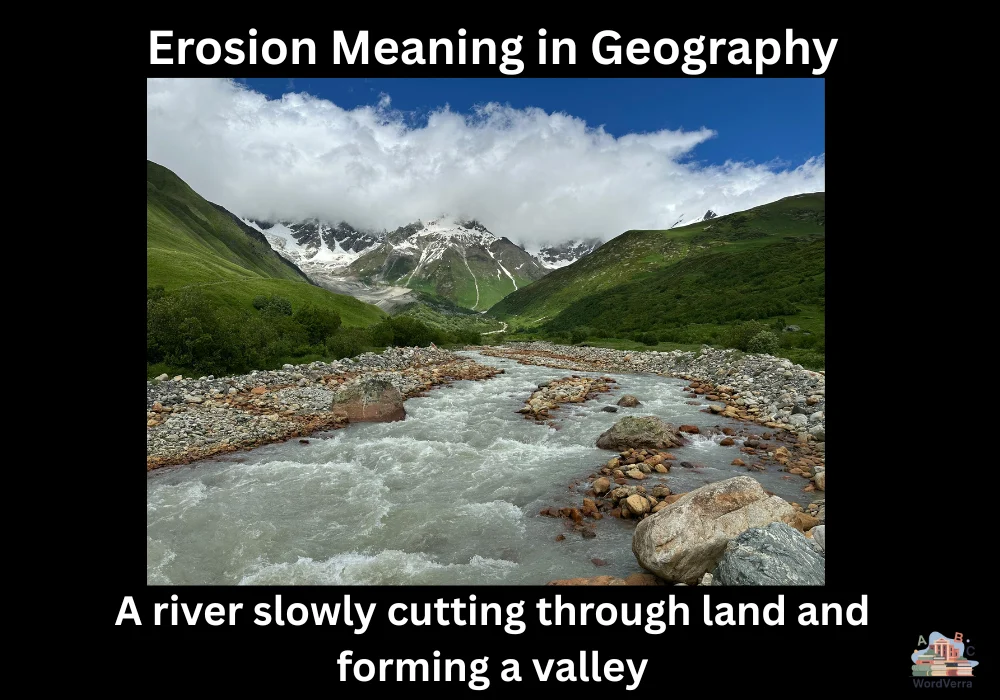
In geography, erosion is the process by which natural forces wear away and carry off soil, rocks, or land materials.
👉 It is a key concept in Physical Geography
Main Causes:
- Water (rivers, rain) 🌧️
- Wind 🌬️
- Ice (glaciers) ❄️
- Waves (coastal areas) 🌊
Example:
- A river slowly cutting through land and forming a valley
👉 Simple Meaning:
Erosion (geography) = wearing away of land by natural forces
Erosion Meaning in Biology
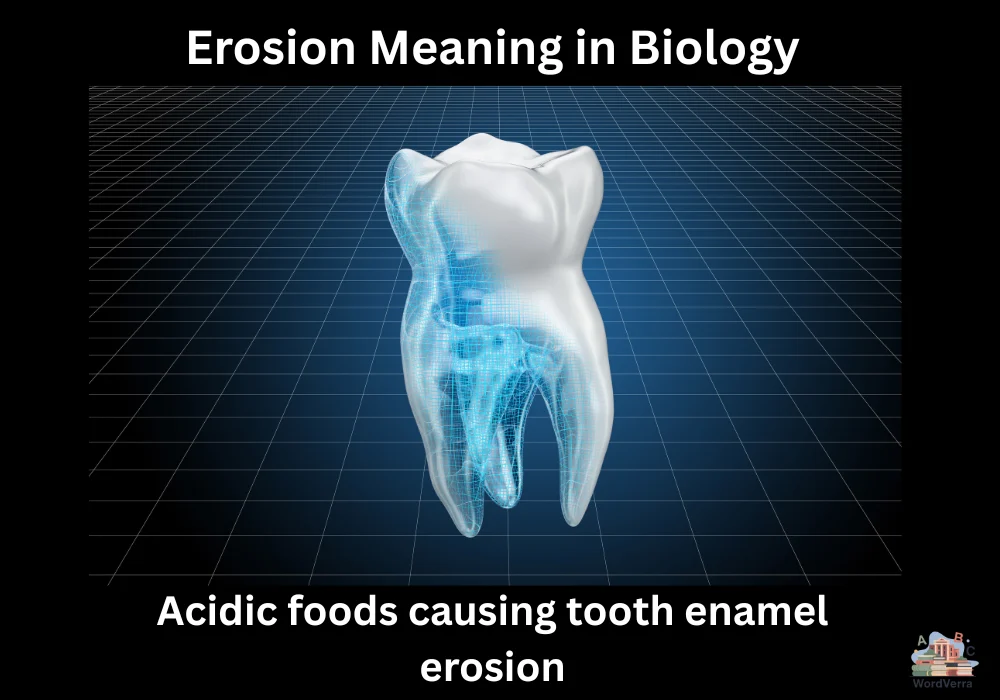
In biology, erosion refers to:
👉 the gradual wearing away or loss of tissue or surface in living organisms
Where It Happens:
- Skin
- Teeth (tooth enamel erosion)
- Internal tissues
Causes:
- Chemicals (like acids)
- Infection or disease
- Physical damage
Example:
- Acidic foods causing tooth enamel erosion
Examples of “Erosion” in Conversations
To fully understand erosion meaning, let’s look at real-life style examples:
1. School/Study Context
Student A: “What is erosion?”
Student B: “It’s when soil or rock gets worn away by water or wind.”
2. Casual Chat
Friend 1: “Why is that land shrinking?”
Friend 2: “Probably erosion from the river.”
3. Emotional/Metaphorical Use
Person A: “Why did they break up?”
Person B: “It wasn’t sudden—just slow erosion of trust.”
4. Social Media Example
- “Years of neglect caused erosion of the coastline.”
- “Silent erosion of confidence is dangerous.”
Common Mistakes or Misunderstandings
Even though erosion is a simple concept, many people misunderstand it.
Mistake #1: Confusing Erosion with Weathering
❌ Wrong: Thinking both are the same
✅ Correct:
- Weathering = Breaking down
- Erosion = Carrying away
Mistake #2: Using It Only for Nature
❌ Wrong: Erosion only applies to land
✅ Correct: It can also be used figuratively
👉 Example:
- Erosion of values
- Erosion of trust
Mistake #3: Thinking It’s Fast
❌ Wrong: Erosion happens quickly
✅ Correct: It’s usually a slow process over time
Related Words, Synonyms & Similar Terms
Common Synonyms of Erosion
- Wear
- Deterioration
- Decay
- Degradation
- Corrosion
- Loss
2-Word SEO-Friendly Variations
- Soil Loss
- Land Wear
- Surface Damage
- Gradual Decay
- Natural Wear
Related Concepts
You can link this topic with other useful terms:
- Weathering – Breaking down rocks
- Deposition – Dropping sediments
- Corrosion – Chemical wearing away
- Degradation – Decline in quality
- “Difference Between Erosion and Weathering”
- “Soil Erosion Causes and Prevention”
Why “Erosion” Matters in 2026 (Modern Relevance)
In 2026, erosion is more important than ever due to:
1. Climate Change
- Rising sea levels increase coastal erosion
- Heavy rainfall leads to soil loss
2. Environmental Awareness
People are more aware of:
- Deforestation
- Land degradation
- Sustainable farming
3. Everyday Usage in Language
The word erosion is now commonly used to describe:
- Emotional decline
- Relationship issues
- Social and political changes
👉 Example:
- “Erosion of freedom”
- “Erosion of trust in society”
How to Use “Erosion” Correctly (Pro Tips)
If you want to sound natural and smart, follow these tips:
✔ Use It When Talking About Slow Change
- Works best for gradual processes
✔ Use It in Both Literal & Figurative Ways
- Nature: soil erosion
- Life: erosion of confidence
✔ Keep Context Clear
- Make sure the reader understands what is being “eroded”
Quick Usage Formula:
👉 Erosion of + (something valuable)
Examples:
- Erosion of trust
- Erosion of land
- Erosion of values
Conclusion: What Does Erosion Mean?
To sum it up, erosion is a powerful and versatile word that describes the gradual wearing away of something, whether it’s land, emotions, or even relationships. It’s not just a scientific term—it’s also widely used in everyday language and modern communication.
By understanding erosion meaning, you can use it correctly in school, writing, conversations, and even social media. In 2026, as environmental and emotional awareness grows, this word continues to stay relevant in multiple contexts.

Ghumman is a dedicated author at Wordverra, focused on delivering clear, accurate, and high-quality English grammar content for students and learners. With a strong commitment to language clarity and practical learning, Ghumman creates well-researched explanations and examples that make complex grammar rules easy to understand. The goal is to help readers build a solid foundation in English and use the language confidently in academic and everyday settings.