The word shapeshifter often appears in myths, fantasy novels, movies, TV shows, and even online discussions. But many people wonder, “What exactly is a shapeshifter?” and “Is it only a fictional concept or does it have real-world meaning too?”
Understanding shapeshifter meaning is helpful because it allows you to:
- Interpret literature, movies, and TV series accurately
- Participate in discussions about folklore and mythology
- Understand metaphorical or symbolic uses in everyday language
This article explains shapeshifter meaning, its origins, cultural significance, modern pop culture references, and everyday usage — all in a human-friendly way.
What Does Shapeshifter Mean? (Simple Definition)
In simple terms, a shapeshifter is:
A being or character that can change its form, appearance, or shape.
This change can be:
- Physical (animal to human, human to animal)
- Magical or supernatural
- Symbolic (changing personality, roles, or behavior)
Shapeshifters appear in myths, legends, folklore, and fiction, making them versatile in storytelling.
Origin of the Word Shapeshifter
The word combines:
- “Shape” – form or appearance
- “Shifter” – someone or something that changes
The concept of shapeshifting dates back to ancient folklore across many cultures:
- Norse mythology (e.g., Loki changing shape)
- Native American legends
- Japanese folklore (kitsune, fox spirits)
- European fairy tales and stories
It has evolved to include modern fantasy and sci-fi interpretations.
Shapeshifter Meaning in Mythology
In myths, shapeshifters are often:
- Magical beings
- Tricksters or heroes
- Guardians or curses
Examples:
- Loki in Norse mythology could transform into animals and humans
- Kitsune in Japanese folklore can appear as humans or animals
- Werewolves in European legends are human-wolf shapeshifters
These stories often explore themes of identity, deception, and transformation.
Shapeshifter Meaning in Pop Culture
In movies, TV shows, and video games, shapeshifters are common fantasy or supernatural characters.
Examples:
- Harry Potter: Animagi can transform into animals
- The Twilight Saga: Werewolves shapeshift into wolf form
- Marvel and DC Comics: Characters like Mystique can change appearance
Pop culture often emphasizes power, mystery, and adaptability as traits of shapeshifters.
Shapeshifter in Everyday Language
The term is also used metaphorically to describe people who:
- Change behavior or personality frequently
- Adapt to different situations
- Are unpredictable or flexible
Example:
- “He’s a real shapeshifter in meetings — sometimes calm, sometimes aggressive.”
- “She’s a social shapeshifter, fitting in wherever she goes.”
In this sense, shapeshifter meaning extends beyond fantasy into daily conversation.
Shapeshifter Personality
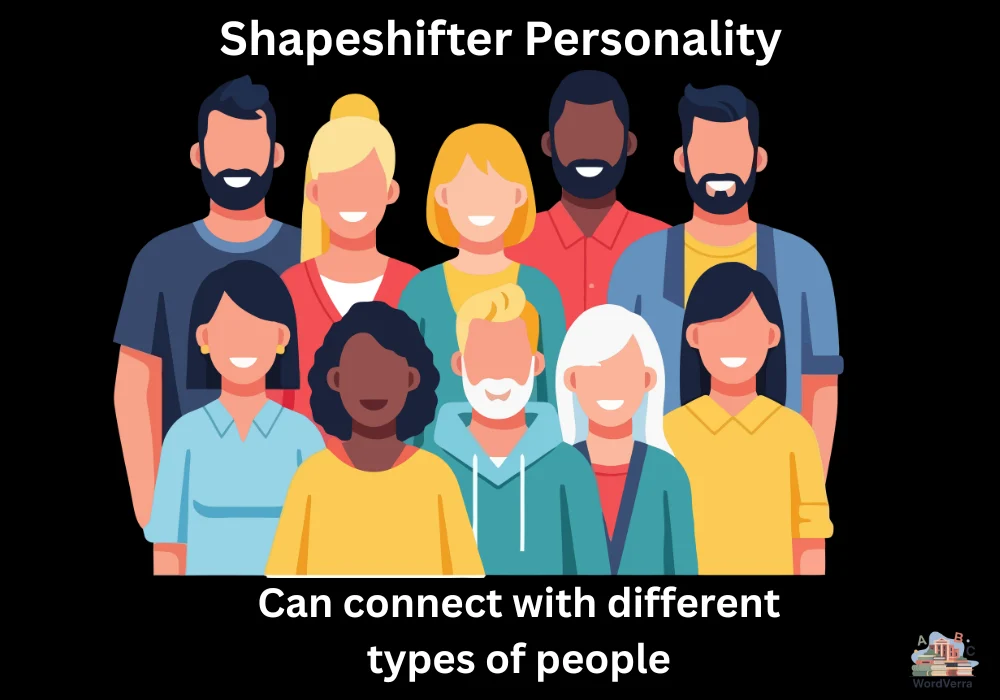
A “shapeshifter personality” describes someone who:
👉 adapts their behavior, identity, or style depending on the situation or people around them
Key Traits:
- Flexible and adaptable
- Reads social situations well
- Changes tone, attitude, or style easily
- Sometimes struggles with a fixed identity
Positive Side:
- Great at adjusting to new environments
- Socially intelligent
- Can connect with different types of people
Possible Downsides:
- May feel “inauthentic” at times
- Others might see them as inconsistent
- Can lose a sense of their true self
👉 Simple Meaning:
Shapeshifter personality = someone who easily changes to fit different situations
Shapeshifter Meaning in Life
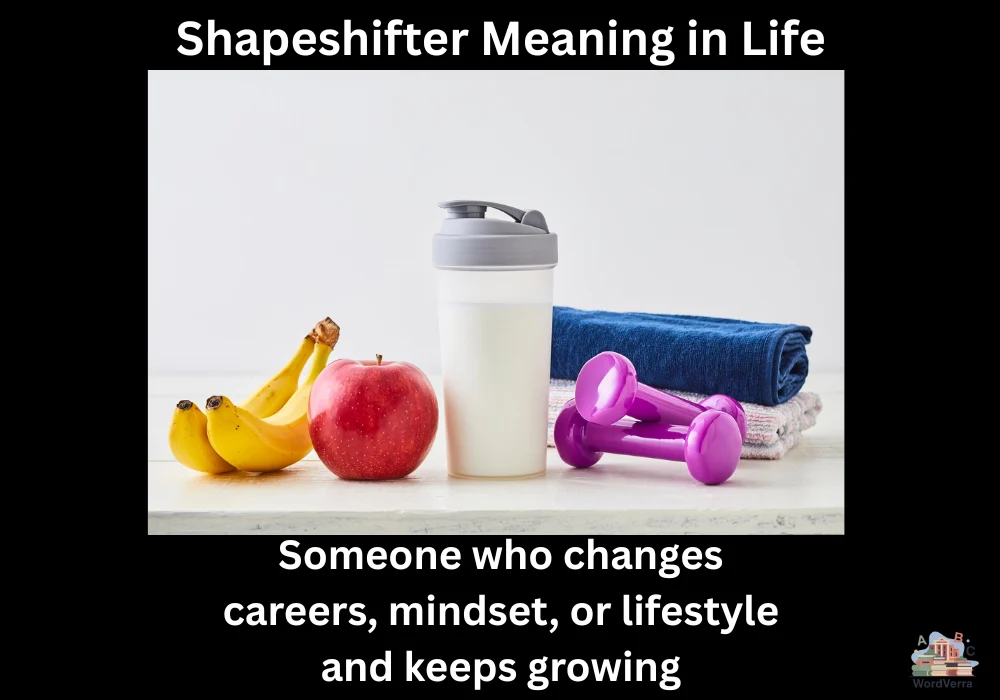
In a broader life sense, “shapeshifter” is a metaphor:
👉 a person who evolves, transforms, and adapts through different phases of life
What It Represents:
- Personal growth 🌱
- Reinvention (changing goals, identity, or lifestyle)
- Embracing change instead of resisting it
Example:
- Someone who changes careers, mindset, or lifestyle and keeps growing
Common Traits of Shapeshifters
Whether in myth or metaphor, shapeshifters often:
- Transform at will or through magic
- Possess adaptability
- Represent duality or hidden aspects of personality
- Create intrigue, mystery, or deception
Shapeshifter Meaning in Literature and Media
Authors often use shapeshifters to:
- Explore identity and transformation
- Symbolize change or hidden motives
- Add supernatural or fantasy elements
Examples in literature:
- The Metamorphosis by Franz Kafka (metaphorical shapeshifting)
- Percy Jackson series (characters transform into animals)
- Game of Thrones (wargs and skinchangers)
In modern storytelling, shapeshifters are symbols of adaptability and hidden potential.
Shapeshifter vs Werewolf vs Other Creatures
- Shapeshifter: Any being that can change form
- Werewolf: A specific type of shapeshifter (human ↔ wolf)
- Animagus / Kitsune / Skinchanger: Cultural or fictional types of shapeshifters
This helps differentiate general shapeshifting from specific folklore creatures.
Common Misunderstandings About Shapeshifters
Mistake 1: Thinking Shapeshifters Only Exist in Movies
Shapeshifters originate in myths and legends, long before movies existed.
Mistake 2: Confusing Metaphorical and Literal Meaning
In everyday speech, shapeshifter may not involve actual transformation — it’s often about adaptability or personality change.
Mistake 3: Assuming All Shapeshifters Are Villains
Shapeshifters can be heroes, tricksters, or morally neutral, depending on the story.
How to Use Shapeshifter in Sentences
Correct examples:
- “The character is a shapeshifter who can become anyone.”
- “She’s a shapeshifter at work, adapting to every situation.”
- “Legends tell of shapeshifters in the forest.”
Incorrect example:
- “The shapeshifter fixed the broken car.” ❌
(Shapeshifter implies changing form, not general abilities.)
Why Shapeshifter Remains Popular in 2026
In 2026, shapeshifters remain relevant because:
- Fantasy and sci-fi genres continue to thrive
- People enjoy exploring identity, transformation, and adaptability
- Social media and storytelling often use “shapeshifter” metaphorically
Whether in entertainment or daily conversation, the concept resonates universally.
Shapeshifter Meaning in One Simple Line
A shapeshifter is someone or something that can change form, appearance, or personality.
Real-Life Examples of Shapeshifter Usage
- Mythical shapeshifters in folklore
- Fictional shapeshifters in books and movies
- Metaphorical shapeshifters in workplaces or social settings
These examples show its flexibility in language and culture.
Final Summary
To summarize:
- Shapeshifter meaning involves transformation of form or personality
- Appears in myths, legends, and modern pop culture
- Used metaphorically to describe adaptability or unpredictability
- Remains a popular term for storytelling and everyday expression
Understanding the word allows you to enjoy fantasy, analyze stories, and use it metaphorically in conversation.

Ghumman is a dedicated author at Wordverra, focused on delivering clear, accurate, and high-quality English grammar content for students and learners. With a strong commitment to language clarity and practical learning, Ghumman creates well-researched explanations and examples that make complex grammar rules easy to understand. The goal is to help readers build a solid foundation in English and use the language confidently in academic and everyday settings.